A Mariner's Conversion to Sailing Cruises
Alexandra
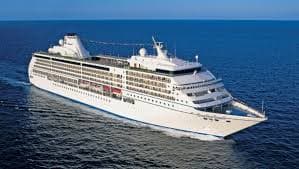
On many passenger vessels the safety briefing sequence is prescribed: an initial muster and flotation demonstration at embarkation, a follow-up review within a few hours, and a final verification the next morning to ensure compliance with flag-state and port authority regulations. This layered approach to passenger safety affects boarding logistics, crew rostering and the timetable for shore-side provisioning and fuel bunkering.
When a Professional Mariner Meets Cruise Culture
A professional mariner encountered enthusiastic cruise passengers during a marina-side dinner conversation about costs, diesel prices and harbour fees. The exchange revealed a clear divide: some travellers equate cruising with luxury ships—vessels of over a thousand tons, multiple restaurants and cabin service—while few associate the same passion with small-boat voyaging. The contrast is more than cultural; it underlines different operating models, staffing needs and customer expectations between commercial cruise operations and private charters or bareboat rentals.
The mariner later chose a compromise: a four-masted barquentine offering an authentic sailing experience but with professional crew, scheduled meals and systematic safety protocols. Boarding that vessel highlighted the operational differences: repeated safety briefings, delegated crew duties, and clearly defined stores and equipment stowage practices that reduce ambiguity about the location of lifejackets, flares and emergency gear.
📚 You may also like
Operational Anecdotes and Lessons
One instructive comparison involved a skipper whose background in industrial safety translated into exhaustive pre-departure lectures for charter guests. While thoroughness ensured compliance, the delivery demonstrated how safety culture can clash with customer experience—especially on short leisure voyages aimed at singles or couples seeking relaxation rather than technical instruction. Balancing the regulatory need to inform with the passenger desire for enjoyment is a logistical and hospitality challenge.
Onboard Activity Programming
Activity menus on passenger vessels range from fitness classes and cocktail workshops to novelty events like “Walk a Mile with a Smile,” which asks guests to circuit the deck until a mile is logged. Such programming affects staffing, deck layout, and liability management. Even seemingly trivial activities have consequences for crew rostering and spatial planning, and they can influence guest satisfaction ratings and subsequent charter bookings.
| Feature | Cruise Ship | Small Charter/Yacht |
|---|---|---|
| Crew Model | Specialised, departmentalised | Skipper + compact crew or owner-operated |
| Meals | Multiple restaurants, scheduled service | Galley-cooked or provisioning dependent |
| Safety Briefings | Multiple, formal | Short, targeted, practical |
| Activities | Wide-ranging, staffed | Limited, personalised |
| Price Model | Per-cabin fare | Charter/day rates or rent |
Practical Implications for Charterers and Renters
For those involved in the charter and boat rental markets, these distinctions translate to operational decisions: how many crew to employ, what level of passenger briefing to deliver, which activities to include, and how to price peripheral services. Small yacht owners and charter operators must balance regulatory compliance with the expectation of personalised service and flexibility that differentiates them from mass-market cruises.
- Safety vs. Experience: Deliver concise, engaging briefings tailored to the vessel and the passengers’ likely activities.
- Provisioning and Fuel: Account for harbour fees, diesel consumption and the logistics of resupply at marinas or remote anchorages.
- Activity Selection: Choose on-deck programming that suits available deck space and crew numbers.
- Customer Segmentation: Market to distinct groups—adventure sailors, couples, families or solo travellers—each needs different onboard services.
Logistics and Port Operations
When a vessel switches from private sailing to fare-paying voyages, port call planning becomes more complex. Immigration and customs formalities, berth reservations at popular marinas, waste disposal rules, and local pilotage requirements all impact the itinerary. These factors affect both small-scale charters and larger cruise logistics, and they determine the feasibility of certain destinations and passage timings.
Costs such as diesel and harbour dues that mariners often debate at dockside gatherings are real inputs to the charter budget. Transparent communication about these items helps align expectations with pricing and can reduce friction at embarkation and disembarkation.
How This Relates to Sailing and Boat Rentals
Experiences onboard larger cruise ships can inform the offerings of charters and rental platforms. Guests increasingly seek combinations of adventure and comfort: hands-on sailing, local exploration, or simply the convenience of having a crew. For boat renters and platforms, this means curating listings that highlight not just make and model, but also the pace of the voyage, meal provisioning, safety arrangements and on-deck activities.
GetBoat always keeps an eye on developments in cruising and seaside vacations because those market nuances directly influence how travellers choose vessels. The platform values freedom, energy and choice, allowing users to find craft that suit preference, budget and taste while providing clear information on make, model, ratings and inclusion of crew or skipper services.
The key takeaway for industry professionals and charterers is that operational detail—safety briefings, provisioning, activity programming and crew structure—shapes guest perception and repeat business. Small adjustments in briefing style or activity scheduling can materially affect reviews and bookings.
If you are planning your next trip to the sea, you should definitely consider renting a boat (boat rentals, rent a boat, rent a yacht), as each inlet, bay, and lagoon is unique and tells you about the region just as much as the local cuisine, architecture, and language and also the unique aspects of the service. GetBoat.com
Forecasting how this kind of cultural crossover—professional mariners sampling passenger cruising—affects the global tourism map suggests limited macroeconomic impact; most changes will be niche and localised. However, it is relevant for consumer expectations and the competitive landscape: smaller charter operators can learn from cruise hospitality standards, while larger operators may incorporate more authentic sailing experiences. Start planning your next seaside adventure and make sure to book the best boat and yacht rentals with GetBoat before the opportunity sails away!
In summary, the encounter between a seasoned mariner and cruise culture highlights the operational and experiential contrasts between large passenger liners and smaller charters. Logistics—safety briefings, crew models, provisioning, harbour fees and activity programming—drive how voyages are designed and sold. Whether choosing a yacht, a small boat for rent, or a specialist charter, clarity about what is included, transparent pricing and careful planning will ensure better experiences on the sea, ocean or gulf. GetBoat.com supports this by offering a global, user-friendly solution for booking or buying yachts, sailboats and motorboats with transparency on make, model, rates and ratings—helping travellers pick the right vessel for fishing, yachting, beach visits, marinas calls or superyacht charters. Seize the horizon.


