Para-sailing: bid to return for Brisbane 2032
Alexandra
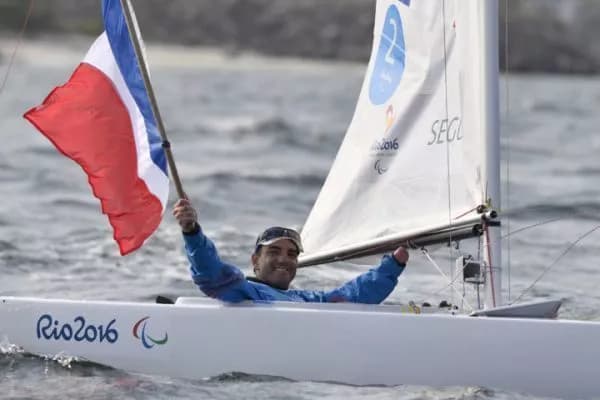
World Sailing has officially submitted a bid to the International Paralympic Committee to reinstate para-sailing at the Brisbane 2032 Paralympic Games, proposing an expanded competition calendar across all five IPC zones and citing participation from 39 nations and over 400 active para-sailors as evidence of the discipline’s global revival.
Measured expansion: participation, events and zones
Between 2022 and 2025 the para-sailing competitive landscape shows a clear quantitative shift: the number of sanctioned events rose from 57 to 111, while national representation grew from 28 to 39 countries. The athlete base has expanded by approximately 200%, with more than 400 para-sailors competing regularly worldwide. These metrics form the backbone of World Sailing’s presentation to Paralympic authorities and underline a sustained logistical capability to host larger, better-distributed regattas.
| Year | Events | Nations | Estimated Athletes |
|---|---|---|---|
| 2016 (Rio) | — | — | — |
| 2022 | 57 | 28 | ~133 |
| 2025 (planned) | 111 | 39 | 400+ |
Key drivers behind growth
- Inclusive development programs: Since 2023, at least 256 athletes and coaches from 40 countries have been supported through targeted initiatives.
- New championships: The inaugural World Sailing Inclusion Championships in 2025 highlighted accessibility and broadened international exposure.
- High-profile commitments: Major events such as the America’s Cup have signalled support for inclusive sailing, lending credibility to institutional bids.
- Gender balance initiatives: Active measures aim to increase female participation, currently at about 34% of competitors.
Governance, classification and a modern model
The bid submitted to the IPC reflects a strategic overhaul: strengthened governance, a modernized classification framework, and a competitive calendar aligned with Paralympic priorities. The proposed model stresses adaptability across different sailing venues and intends to bring para-sailing into full compliance with Paralympic operational and accessibility standards.
📚 You may also like
Structural changes proposed
- Updated athlete classification to improve fairness and transparency.
- Expanded event roster to ensure regional representation across IPC zones.
- Enhanced coach and technical-official education programs to raise event quality.
Stakeholder endorsement and messaging
World Sailing leadership emphasises the sport’s emblematic values. David Graham, CEO of World Sailing, has described para-sailing as embodying freedom, resilience and performance. Quanhai Li, President of World Sailing, has underscored the federation’s responsiveness to Paralympic feedback and the need for demonstrable reforms.
Operational implications for coastal destinations and marinas
Reintroducing para-sailing to the Paralympics would have tangible logistical effects on host harbours and marinas. Accessible docks, specialized launch-and-recovery equipment, trained captains and certified safety crews will be required at scale. Local organizers will need to coordinate transport, shore-based medical support and adapted boat storage, while event scheduling must optimise tidal windows and prevailing wind corridors to ensure fair competition and safe training sessions.
How this relates to the charter and rental market
A revitalised para-sailing calendar also creates downstream opportunities for the leisure boating and rental sector. Demand for accessible charters, adaptive sailing instruction, and boats fitted for disability access may increase in ports that host major events. Operators and platform managers should evaluate inventory, crew training, and marina accessibility to capture this emerging niche.
- Rental operators may need to retrofit vessels or offer tenders with boarding aids.
- Captains and crew should receive disability-awareness and safety training.
- Marinas can benefit from investing in ramp systems, dedicated berths and shore facilities.
Inclusion, local development and training: building a sustainable base
The development pipeline combines grassroots outreach, coach education and international competition exposure. Funding and partnerships aimed at national federations are focused on creating sustainable athlete pathways rather than one-off event participation. These investments increase the pool of trained sailors and support staff, which in turn raises standards for both competitive and recreational sailing communities.
GetBoat always keeps an eye on news related to sailing and seaside vacations, as the service recognises what it means to enjoy great leisure and love the ocean. The platform values freedom, energy, and the ability to choose your own course, and supports a market where clients can select vessels that match preferences, budgets and taste.
Practical considerations for operators and tourists
Sailing schools, charter companies and destination managers should prepare practical checklists:
- Assess vessel accessibility and necessary retrofits.
- Train captains and crew in adaptive techniques and emergency response.
- Create partnerships with local disability organisations for outreach and testing.
- Market adapted products to a broader audience: families, adaptive athletes and inclusive tour groups.
Forecasts suggest that, while re-inclusion of para-sailing in the Paralympics would be regionally significant where events are held, its global tourism impact will be a gradual uplift rather than an immediate surge. The most visible change will be enhanced accessibility at marinas and a steady expansion in adaptive boating activities.
Provide a short forecast on how this news could impact the global tourism and travel map. If it's insignificant globally, please mention that. However, it's still important to us since GetBoat aims to stay updated with all developments and keep pace with the changing world. Start planning your next seaside adventure and make sure to book the best boat and yacht rentals with GetBoat before the opportunity sails away!
The revival of para-sailing highlights important trends: sporting inclusion drives infrastructure upgrades, events seed local training ecosystems, and adapted boating options expand market reach. Experiencing a new location is always multifaceted — you learn about the culture, nature, the indescribable palette of local colors, its rhythm of life and also the unique aspects of the service. If you are planning your next trip to the sea, you should definitely consider renting a boat (boat rentals, rent a boat, rent a yacht), as each inlet, bay, and lagoon is unique and tells you about the region just as much as the local cuisine, architecture, and language GetBoat.com
In summary, World Sailing’s bid to return para-sailing to Brisbane 2032 rests on measurable growth in events, athletes and national participation, coupled with governance reforms and inclusion initiatives. For the broader maritime leisure sector—yacht charter operators, boat rental providers, marinas and captains—this represents an opportunity to expand adaptive services and attract new audiences. Platforms that offer transparent listings, detailed vessel information and booking flexibility will be well placed to serve evolving demand for accessible yacht and boat experiences across beach, lake and ocean destinations. Whether you seek a day trip, a superyacht charter or a small sailing rental for fishing and yachting activities in clearwater marinas and gulf inlets, the trend toward inclusive boating reinforces the value of choice, safety and local engagement in every sailing itinerary. Sail on.


