Paprec 600 Saint-Tropez: Six-Hundred-Mile Tactical Test
Alexandra
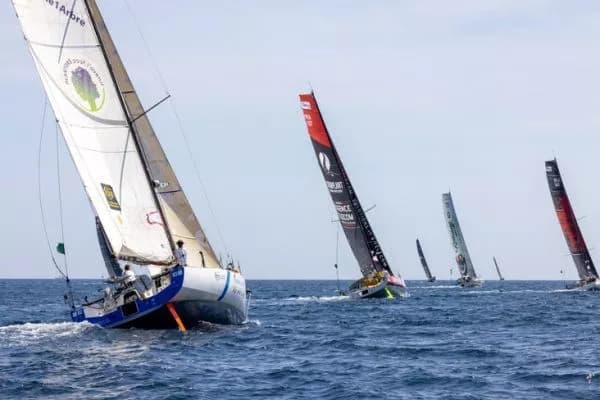
Harbor operations are fixed: boat reception begins April 17, technical inspections run April 18–19, the start is set for April 20 at 12:00, the finish line closes April 25 at 18:00 and the prize-giving follows at 18:30. Race logistics also include a supervised technical stop authorized under Race Rule 45, meaning damaged boats can make controlled repairs and rejoin the event under a documented procedure — a critical detail for race organizers, shore crews and marina managers coordinating berths, spare parts and tow arrangements.
Route and tactical challenges of the 600 MN
The course runs from Saint-Tropez through the Bouches de Bonifacio, around Giglio, Gorgona and Montecristo, then via the Giraglia before returning to the Gulf of Tropez. That 600 nautical mile loop compresses multiple microclimates into a relatively short distance: site effects in Bonifacio, thermal transitions off Tuscany and wind funnels near Cap Corse. On any given leg the charts might say one thing and the sea decides another — routing becomes a chess game where timing the thermal switch or a night-time pressure dip can win or lose several hours.
Operational implications for teams and marinas
From a logistics point of view, the race forces advanced planning for fuel, spare rigging, crew rotations and provisioning. Shore teams must stock standardized replacement parts for Class40 and IMOCA rigs, prepare backup electronics and coordinate with port authorities for emergency tow protocols. For charter and rental operators, the event highlights the need to keep a clear inventory of safety gear and to be ready for quick turnarounds — whether for a race-prep refit or a recreational yacht handover once the fleet disperses.
📚 You may also like
Technical stop procedure and reliability
The supervised stop allowed by the race organizers is more than a mercy rule: it formalizes repair windows and establishes documentation steps to re-enter competition. For newer or optimized boats where marginal gains are chased relentlessly, reliability is now as strategic as raw speed. Teams treat the Paprec 600 Saint-Tropez as a testbed to validate sail inventories, hydraulic systems and data acquisition — all of which affect charter availability and resale value on return to peacetime operations.
| Event | Date / Time |
|---|---|
| Boat reception | April 17, 2026 |
| Technical inspections | April 18–19, 2026 |
| Start | April 20, 2026 — 12:00 |
| Line closes / Finish deadline | April 25, 2026 — 18:00 |
| Prize-giving | April 25, 2026 — 18:30 |
Classes, entries and what’s new for 2026
The 2026 edition opens entries to Sun Fast 30 One Design and MK2 multihulls, signaling a push toward more accessible, homogeneous fleet categories. IRC-rated yachts can compete as full crew or double-handed, and nearly 30 boats have already declared their intent to race. The event remains a proving ground for Class40 and IMOCA projects, with teams using it to validate architecture and electronics ahead of longer ocean programs.
- New classes: Sun Fast 30 One Design, MK2 multihulls
- Existing targets: Class40, IMOCA, IRC
- Entry formats: full crew or double-handed
- Nearly 30 boats pre-registered as of announcement
Sporting stakes and qualification value
The Paprec 600 Saint-Tropez is an important stop on many campaigns: Vendee Globe, Route du Rhum, Transat Jacques Vabre, Transquadra and Figaro competitors use it to bank miles and validate race systems. In 2025 the real-time record fell to 3 days, 14 hours, 11 minutes and 49 seconds, set by Mikael Mergui and Richard Robini on the Class40 Centrakor, a benchmark teams will chase in 2026.
Why this matters to charter and marina operators
Races of this scale drive seasonal traffic to nearby marinas, affect berth scheduling and push demand for shore-side services: mechanics, chandlers and provisioning suppliers all see spikes. For boat-rental companies and captains offering skippered charters, the event can be a chance to showcase yachts to prospective clients or to recruit crew for summer charters. In short: when Saint-Tropez buzzes, the ripple hits every facet of local yachting commerce.
Key tactical waypoints and what sailors scout
Sailors and routing teams focus on a handful of decisive points:
- Bonifacio — tidal and site effects demand precise entry and exit strategies;
- Tuscany thermal band — daytime sea breezes that can make or break VMG;
- Cap Corse — narrow wind corridors and tricky current interactions;
- Giraglia — a classic rounding that often separates leaders from the pack.
Been to the start in Saint-Tropez? You know the scene: cranes, chandler vans, and crews running last-minute systems checks — it’s organized chaos, and that’s half the fun. No pain, no gain, as they say; those hours ashore often decide the race.
In summary, the Paprec 600 Saint-Tropez is a condensed offshore laboratory: tight logistics windows, a route packed with tactical decisions, an expanded class list for 2026, and clear value as a qualifier for major ocean races. Marina operators, charter companies and captains should expect increased berth activity and servicing demand during the event period. The race validates equipment and crews while feeding interest in yacht charter and sale markets — from superyacht visits to small boat rentals, the event touches yacht, charter, boat, beach, rent, lake, sailing, captain, sale, Destinations, superyacht, activities, yachting, sea, ocean, boating, gulf, water, sunseeker, marinas, clearwater and fishing interests across the Mediterranean — a neat package for anyone involved in sailing and boats rent.