Oxley Wing-Sail: How It Changes Cruising
Alexandra
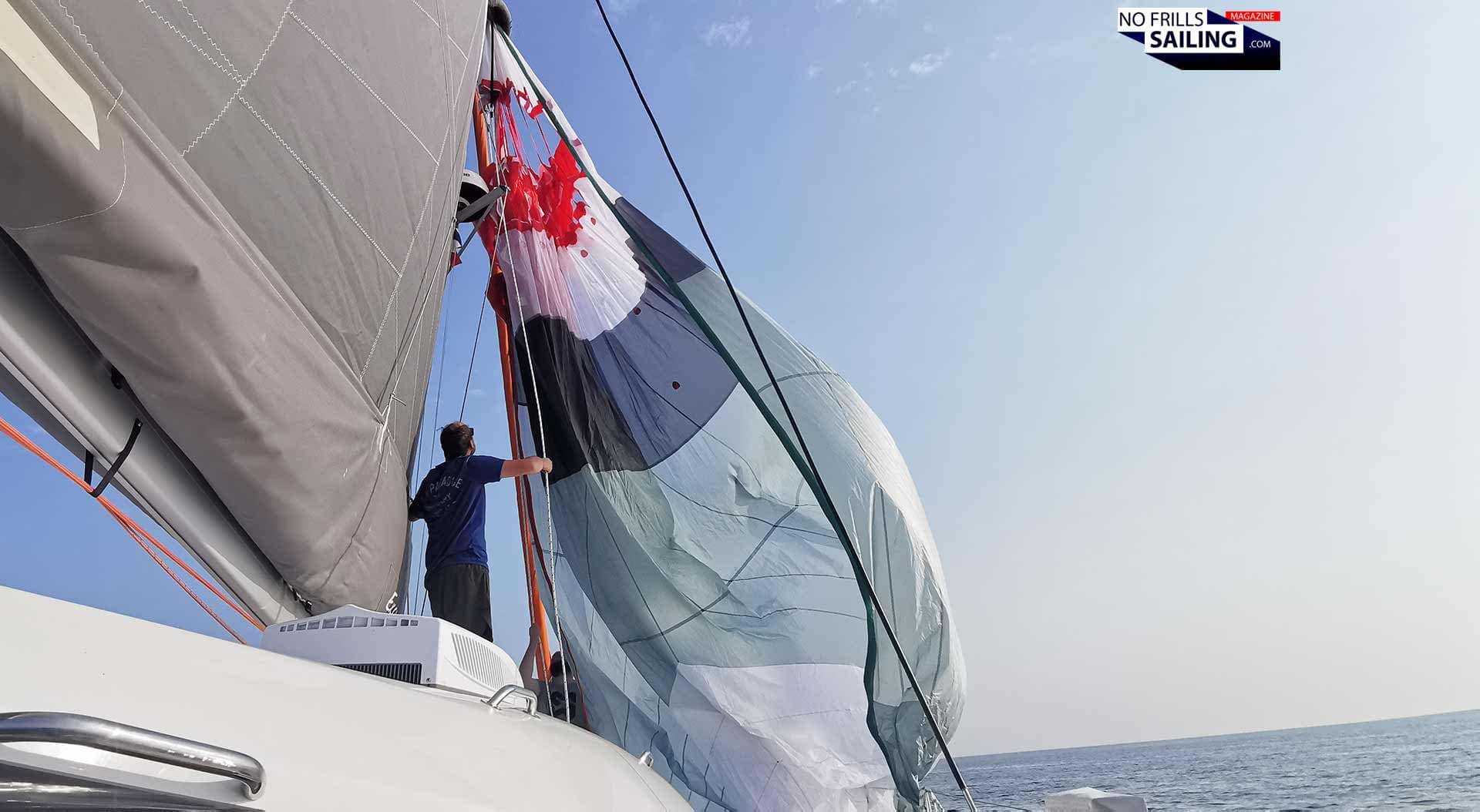
Transporting and stowing a modern wing-sail like the Oxley demands dedicated logistics: standard roll-dimensions are typically 3–4 m in diameter and require reinforced slings and a dry, UV-protected container for long-term storage; when shipping across borders, customs declarations must list composite laminates and inflatable paraglider cells, and many marinas will insist on a separate insurance endorsement for non-traditional sail systems before allowing rigging trials in their fairways.
From paraglider labs to boat decks: the origin story
The Oxley concept originated from a collaboration between German sailor Hartmut Schaedlich and aerodynamic engineer Ralf Groesel. Groesel, with a background in paragliding and kite design, adapted paraglider wing geometry into a symmetric spinnaker envelope to create a sail that delivers both lift and stabilizing forces. The product’s development required not only new aerodynamic solutions but also the invention of production processes compatible with complex laminates and double-walled wing sections.
Ralf Groesel — engineer and aerodynamicist
Groesel’s early career combined CAD design, paraglider construction, and industry experience at brands such as Flysurfer, Skywalk, and later with Boards & More (now Duotone). His ability to visualise flow patterns around objects led to innovations in kites and sails. He co-developed the Oxley wing-sail by applying paraglider principles to spinnaker-style canopies, ultimately launching production capabilities through companies like Istec and Brainchild-Production.
📚 You may also like
How the Oxley wing-sail works
The Oxley integrates a paraglider-shaped wing into a symmetric spinnaker envelope. Under gust load the wing increases lift proportionally, producing a counteracting force that reduces heel and dampens oscillation. That mechanism—akin to how hydrofoils create counteracting moments at speed—gives the sail a pressure-relief behavior and smoother response in gusty conditions. The result is a sail that can be safely handled in a broad range of points of sail, from dead downwind to reaching and even reaching toward upwind angles with careful trimming.
Key aerodynamic features
- Wing-shaped internal section: Stabilizes leeches and reduces oscillation.
- Pressure-relief hole: Acts as a safety valve for violent gusts.
- Trim versatility: Sheets can flatten the profile to obtain asymmetric, wing-like behavior.
- Lift-to-heeling balance: Increased lift reduces heel while boosting drive.
Practical benefits for cruisers and charter operators
For singlehanded sailors and small-family cruising, the Oxley offers a near “fire-and-forget” solution: it can be hoisted and trimmed with minimal crew, performs reliably in light airs, and tolerates gusty seas better than many conventional spinnakers or gennakers. For boat rental fleets and charter companies, this means fewer sail changes, reduced deck-work training for charterers, and safer light-wind cruising options for clients who prefer relaxed days at sea.
Checklist for charter operators considering an Oxley
- Verify sling and crane capacity for sail deployment and recovery.
- Provide brief on-board sail-trim guidance for renting guests.
- Store sail in a climate-controlled locker to extend laminate life.
- Require a short sea trial before allowing first-time hirers to deploy it offshore.
Model comparison: Bora vs Levante
| Characteristic | Oxley Bora | Oxley Levante |
|---|---|---|
| Wing structure | Double-walled paraglider wing (ram pressure + lift) | Single-layer wing (lift only) |
| Best for | Heavier yachts, stronger conditions | Lighter boats, lighter winds |
| Dampening effect | Maximum | Moderate |
| Ease of handling | High (but requires sizing to boat) | High (lighter pack and hoist) |
Use cases and seamanship
Experienced skippers report that the Oxley expands the sail-plan envelope: it can replace a Code 0 or gennaker in many cruising scenarios, particularly on long downwind passages where conventional gennakers become unwieldy at large apparent wind angles. However, buyers are advised to arrange sea trials and professional consultation — sail choice should match yacht displacement, rigging layout, and intended cruising grounds.
Training, adoption curve and common reactions
New users often experience an initial surprise when the sail allows unexpected pointing angles or steadier behaviour in gusts. This “appalled customer” effect—seasoned skippers astonished that a seemingly downwind-only sail can drive the boat higher—is common, and it underscores the learning curve: once crews understand trimming to achieve a wing-shaped profile, the Oxley rewards with remarkable light-wind propulsion.
GetBoat always keeps an eye on news related to sailing and seaside vacations, as we truly understand what it means to enjoy great leisure and love the ocean. The GetBoat service values freedom, energy, and the ability to choose your own course, placing no limits on a good life and allowing clients to find a vessel that suits their preferences, budget, and taste.
Highlights: the Oxley introduces a broader performance envelope for cruising yachts, simplifies handling for singlehanders, and reduces sail-change logistics for charter operators. Experiencing a new sailing destination remains a multifaceted process—where one learns about the culture, nature, the indescribable palette of local colors, its rhythm of life and also the unique aspects of the service. If you are planning your next trip to the sea, you should definitely consider renting a boat (boat rentals, rent a boat, rent a yacht), as each inlet, bay, and lagoon is unique and tells you about the region just as much as the local cuisine, architecture, and language GetBoat.com
Provide a short forecast on how this news could impact the global tourism and travel map: the Oxley concept is unlikely to disrupt large-scale commercial yachting immediately, but it can shift preferences in recreational charter fleets and owner-operated cruising yachts by reducing sail-handling complexity and expanding light-wind cruising windows. However, its impact is meaningful for charter guests and private owners who prioritize ease, safety, and the ability to sail in marginal winds. Start planning your next seaside adventure and make sure to book the best boat and yacht rentals with GetBoat before the opportunity sails away!
Summary: the Oxley wing-sail represents a fusion of paragliding aerodynamics and sailmaking, producing a versatile, safer, and often faster light-wind solution that reduces operational logistics and opens new possibilities for cruising and charter operations. For owners, captains and charter guests, the sail means fewer sail changes, improved comfort in gusty conditions, and a steeper—but rewarding—learning curve that unlocks speed in little wind. Whether you are looking to rent a yacht for a sun-drenched gulf cruise, charter a boat for clearwater fishing, or buy a superyacht for private cruising, platforms that prioritize transparency and choice help connect you with the right sail and vessel. Start planning your next seaside adventure.


