How to Meet Oregon’s Boater Education Rules
Alexandra
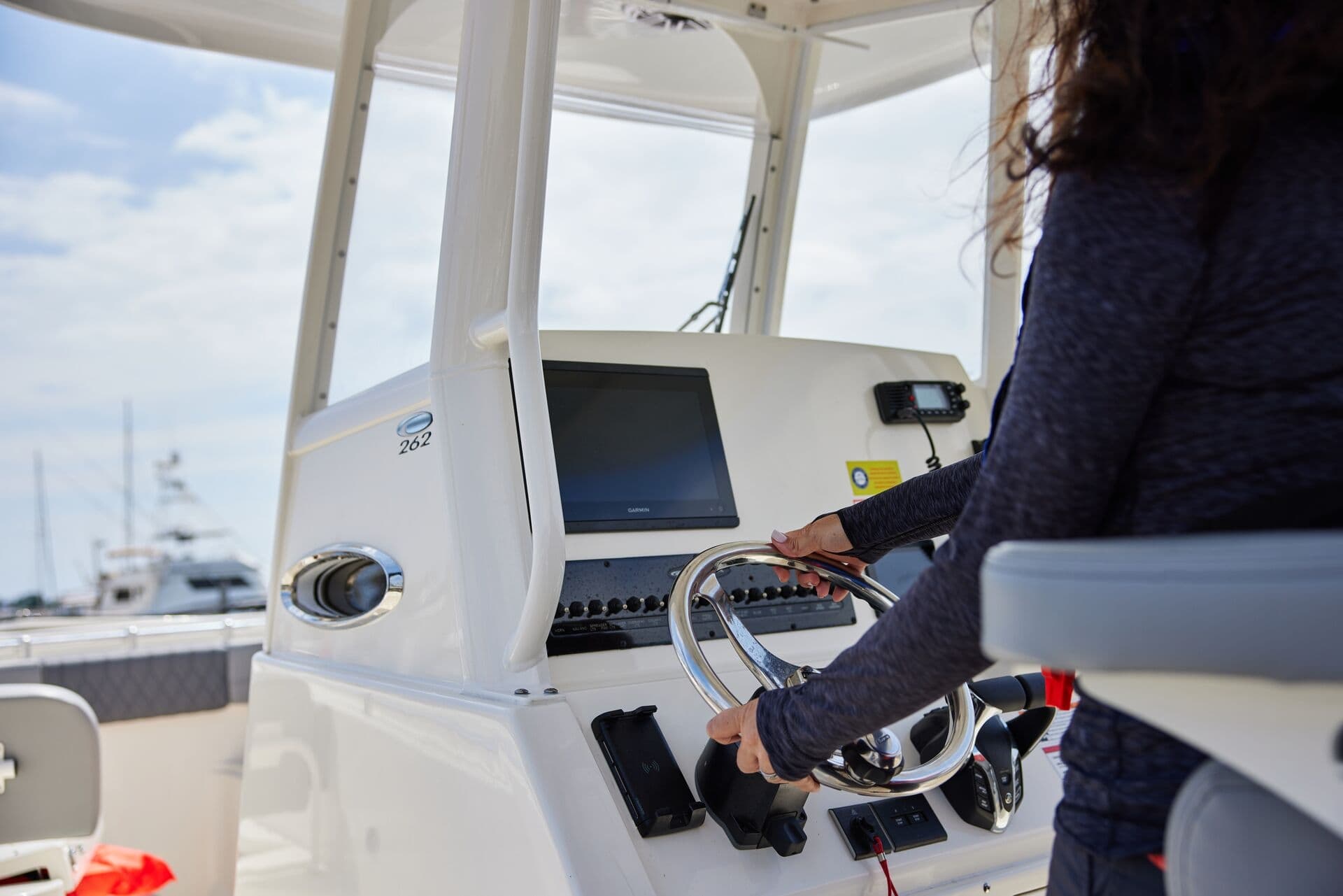
Any person operating a motorized vessel with more than 10 horsepower on Oregon waters must carry an Oregon Boating Safety Education Card, whether they’re a resident or a visitor. Operators under 12 are prohibited from running motorized craft, and those 16 and older may operate unsupervised only after receiving the card. This requirement covers personal watercraft (PWC) such as jet skis as well as small outboard-powered boats.
Key legal and operational requirements
The Boating Safety Education Card is Oregon’s official proof of meeting boater education standards. To obtain it, candidates must successfully complete an approved safety course and pass the end-of-course exam. The card must be carried while operating any >10 hp motorized vessel on state waters.
Age and supervision rules
- Under 12: Cannot operate motorized vessels under any circumstances.
- Ages 12–15: May operate certain motorboats but often with restrictions; a Boating Safety Education Card is required for many scenarios.
- 16 and up: May operate motorboats and PWCs unsupervised once card is obtained.
Course content and examination
Approved courses cover practical and regulatory topics typically required by Oregon authorities. Expect to study:
📚 You may also like
- Safe vessel handling: docking, mooring, launching and steering
- Navigation rules, speed zones and no-wake areas
- Fueling safety, carbon-monoxide awareness, and accident prevention
- Required safety gear, emergency procedures and man-overboard response
- PWC-specific rules and safe-riding best practices
- Environmental stewardship and aquatic invasive species (AIS) prevention
- Cold-water immersion response for lakes and coastal zones
How to get your card: step-by-step
The process is straightforward and mirrors many other state systems. If you plan to rent a boat or captain a small charter, getting this card is often the first box to tick.
- Choose an approved provider (online or classroom); Boat-Ed is one widely used option.
- Complete the required lessons and pass the final exam.
- Pay the state issuance fee and any provider course fee.
- Receive temporary proof if available; permanent card is mailed in roughly 2–3 weeks.
Fees, timelines, and common questions
| Item | Typical Cost | Typical Timeline |
|---|---|---|
| State card fee | $20 | Card mailed in 2–3 weeks |
| Replacement card | ~$16 | Varies |
| Boat-Ed course (example) | $44.95 | Online: a few hours; Classroom: 1+ days |
Renting and charter implications
If you plan to rent a yacht, powerboat, or book a small charter in Oregon, rental companies and marinas will often require proof of the Boating Safety Education Card before handing over the keys—or the keys to the cockpit, as it were. For casual renters, online courses that let you finish in an evening are a practical option. For captains of larger rented vessels or superyacht charters, the card is a baseline; owners and charter companies may require additional credentials or local endorsements.
Practical tips for boaters and renters
- Keep a copy of your card on board when you rent a boat or join a charter; some marinas request to see it at check-in.
- Check local marina rules—some lakes and bays add seasonal restrictions or extra hours rules.
- If you rent a PWC, review PWC-specific modules; they’re shorter but critical.
- Complete the course before peak season to avoid delays in card mailing and last-minute rental hassles.
Why this matters for sailing and boating operators
Compliance reduces accidents and insurance headaches. Charter operators and rental fleets prefer customers with education cards because it decreases briefing time and makes for safer, smoother checkouts. Think of the card as a passport to more options: boat rental, skippered charters, and access to busier marinas.
Common FAQs (short answers)
Do I need a traditional “driver’s license” for boats in Oregon? No—Oregon uses the Boating Safety Education Card in lieu of a separate driver’s license for boats.
How long until I get the permanent card? Usually about 2–3 weeks after course completion; temporary proof may be available immediately.
Is the card required for non-residents? Yes, the rule applies to anyone operating qualifying boats on Oregon waters.
To wrap up, Oregon requires a Boating Safety Education Card for operators of motorized vessels over 10 hp, with clear age limits, standardized course content, and modest fees. Whether you’re planning to rent a small powerboat for a day on a lake, hire a captain for a yacht charter, or crew on a superyacht, carrying that card makes check-in smoother and keeps everyone safer. In short: get certified, keep your card handy at the marina, and you’ll open more doors to boating, sailing, fishing and beachside activities across marinas and destinations from the gulf to the open ocean. Happy boating and safe chartering—there’s plenty of water, sunseeker vibes and clearwater ahead.


