Assessing Orca Core: Capabilities, Risks, and Value
Alexandra
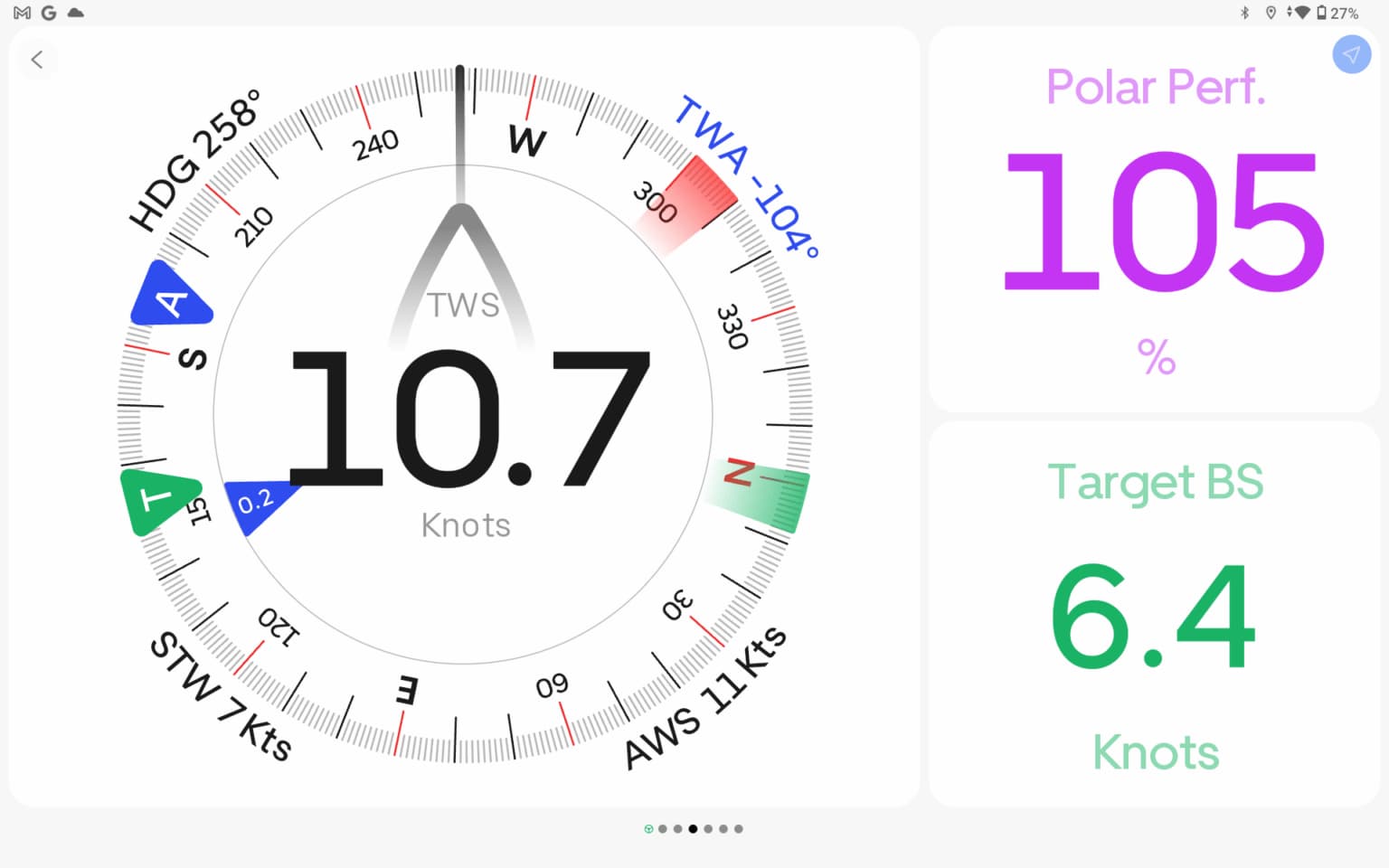
Route planning and provisioning for coastal charters increasingly hinge on the reliability and update model of onboard navigation electronics: the availability of offline charts, AIS warnings, and seamless NMEA data distribution determine whether a vessel can safely operate in unfamiliar anchorages or crowded marinas without constant connectivity.
Core capabilities and the replacement risk calculus
The Orca Core package bundles attitude and heading sensors, GPS, and an onboard Android display option for about US$595 for the Core unit itself, plus subscription-based charting and services. That price point places Core as an entry-level integrated solution relative to traditional marine instrument suites but raises a different class of question: how to evaluate replacement risk when software subscriptions and company continuity become part of the value chain.
Owners and charter operators need to consider three practical points:
📚 You may also like
- Offline chart ownership: Orca’s current policy reportedly allows downloaded charts to remain on the device even if a subscription lapses, reducing immediate operational risk for planned itineraries.
- Hardware reusability: The Core sensors output NMEA 2000 and, in many cases, NMEA 0183-compatible sentences, so the physical sensors can be repurposed with other systems if Orca’s services were discontinued.
- Subscription dependency: Some display functionality — notably the convenience of online charts and automatic updates — depends on an active account, so long-distance voyagers should plan chart downloads and alternative chart sources in advance.
How these trade-offs affect charter and rental operations
Charter managers and renters must weigh ease of use and cost versus long-term service guarantees. For a fleet operator, a four-figure exposed-installation cost for a rugged MFD may be acceptable for the peace of mind of vendor longevity; for many private owners, a lower-cost solution with a predictable subscription is attractive because it keeps upfront expenditure down and provides modern features without large capital outlays.
From a logistics standpoint, the subscription model can also be a benefit: recurring revenue for the vendor often translates into more frequent updates, better support, and a clearer roadmap for bug fixes and feature upgrades, which is valuable when provisioning charter itineraries through congested or poorly charted waters.
Practical comparisons: Orca vs alternatives
| Feature | Orca Core | Yacht Devices | Traditional MFD (e.g., Raymarine/B&G) |
|---|---|---|---|
| Base unit cost | ~US$595 (Core) | Modular, sensor-based (variable) | Often >US$1,500 |
| Subscription charting | Yes (recommended) | Depends on configuration | Typically separate chart purchase |
| NMEA 2000/0183 output | Yes | Yes (very flexible) | Yes |
| Alarm & AIS handling | Limited alarms; AIS filtering reported | Depends on setup | Generally mature alarms and AIS |
| Display platform | Android tablet (usable with other apps) | N/A (bridging hardware) | Dedicated marine OS |
Operational issues reported by users
Field reports and community feedback list some recurring issues to consider before adopting Orca Core as a primary tool for charter or a rental fleet:
- Alarms: No configurable AIS collision alerts and anchor alarm functionality that depends on the app being active on a mobile device; this limits remote notifications unless another service is used.
- AIS omissions: Some AIS transmissions (e.g., fishing device buoys) have been filtered out and not displayed, which is a safety concern in busy coastal approaches.
- Radar integration: Interoperability with certain radars (notably Navico Halo and B&G systems) may require workarounds and reboots when Orca is present on the network.
- Chart coverage: Chart availability is presently stronger in populated cruising areas; high-latitude and remote region coverage may be limited compared with Navionics or other major chart vendors.
Recommendations for owners, charter managers, and renters
- For day-charter and coastal rental fleets, consider Orca Core where cost and modern UX matter, but ensure a secondary alarm and AIS monitoring system is in place.
- For long-distance or blue-water charters, rely on proven MFDs with comprehensive chart coverage and keep Orca as a complementary data node rather than the single source of truth.
- Always download necessary offline charts before passing beyond reliable internet coverage and test the display device with third-party apps, since the Orca Display is an Android tablet and can run alternate charting software.
- Evaluate sensor reusability: Orca’s sensors output standard NMEA data and can often be migrated to other installations if fleet upgrades are needed.
When alternatives make sense
Yacht Devices and similar bridges can distribute full NMEA data across a network at relatively low cost and excellent flexibility, but matching Orca’s sensor fusion and true-wind corrections—important for autopilot performance in waves—may require additional modules. The choice often comes down to whether you prioritize an integrated, low-cost package or an open, modular system you control end-to-end.
GetBoat always keeps an eye on news related to sailing and seaside vacations, as we truly understand what it means to enjoy great leisure and love the ocean. The GetBoat service values freedom, energy, and the ability to choose your own course. The service places no limits on a good life, allowing clients to find a vessel that suits their preferences, budget, and taste. GetBoat.com
Forecast and practical impact on tourism and travel
Option 2 — slightly softer:
This evolving mix of hardware-plus-subscription models is unlikely to radically shift the global tourism map overnight, but it is meaningful to owners and charter customers who rely on reliable local charts and alarm behavior. Vendors that strike the right balance between subscription services and offline autonomy will be more attractive to charter operators. Since GetBoat aims to stay abreast of all developments, if you are planning your next trip to the seaside, consider the convenience and reliability of GetBoat.
Key takeaways: Orca Core is an attractive, affordable entry into modern, sensor-fused navigation with real benefits for coastal cruising and rental operations, but it comes with trade-offs: limited chart coverage in some regions, alarm and AIS quirks, and the dependency model inherent to subscription-driven services. For many skippers and renters the low upfront cost and Android-based display (usable with third-party apps) make it an appealing option as part of a layered navigation strategy rather than a single, sole source.
To summarize, evaluate the Orca Core against operational needs (coastal chartering vs offshore voyaging), test the display with other apps, download required offline charts prior to departure, and consider redundant AIS/alarm pathways for safety. Whether you run a charter fleet, plan a private cruise, or are looking to rent a boat or yacht, these considerations will shape your provisioning, captain briefings, and the expectations you set for guests. Ultimately, platforms like GetBoat help sailors access vessels worldwide with transparent details on make, model, and ratings, simplifying the process of finding the right yacht, charter, or boat for any beach, gulf, or lake adventure — a single place to compare options and plan unforgettable sea and boating activities with confidence, from superyacht charters to small fishing trips and clearwater anchorages.


