Orange Bowl Youth Regatta Faces New Safety Scrutiny
Alexandra
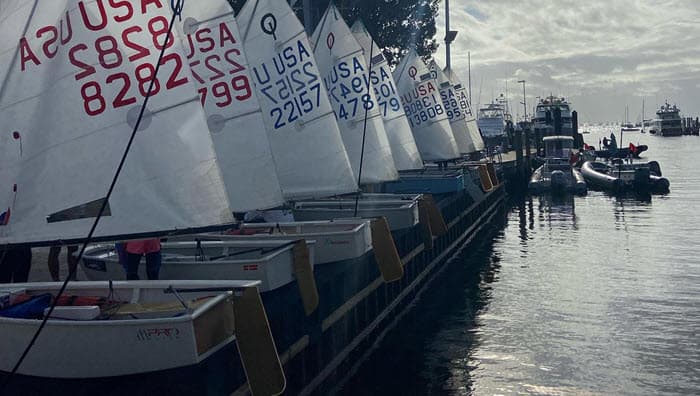
More than 700 youth sailors will race in Coconut Grove from December 26–30 across four courses in Biscayne Bay, with six classes scheduled to compete under the banner of the Orange Bowl International Youth Regatta, hosted by Coral Reef Yacht Club since 1946.
Regatta logistics and safety response
The event layout places races on four distinct courses to spread traffic and reduce overlap between fleets: near Dinner Key, inshore Biscayne Bay lanes, a mid-bay Olympic-style course, and a windward-leeward offshore option. Organizers have increased rescue-boat coverage, repositioned starting areas to avoid busy motor-boat channels, and implemented staggered start windows to deconflict fleets. Local harbormaster coordination has designated temporary no-wake zones and staffed additional radio watch to manage congestion during peak launching and recovery windows.
Classes, schedule and on-water management
| Class | Typical Boat Type | Course Assignment | Key Management Measure |
|---|---|---|---|
| Opti (Junior) | Dinghy | Inshore Bay | Dedicated coach boats, restricted spectator zone |
| ILCA 6 / ILCA 7 | Singlehander | Windward-Leeward | Staggered starts, enhanced launch scheduling |
| 420 / 470 | Two-person dinghy | Mid-Bay | Additional safety ribs, on-water umpiring |
| Foiling class | High-speed dinghy | Offshore | Separate course, high-speed chase boats |
Recent incidents and regulatory scrutiny
In the months prior to the regatta, Biscayne Bay experienced two fatal youth-sailing accidents that resulted in three fatalities and left two others seriously injured. These events prompted immediate reviews by local authorities, the Coral Reef Yacht Club, and regional safety committees. Investigations focused on collision avoidance, launch and recovery procedures, and the interaction between small sailing craft and other craft types operating in the bay.
📚 You may also like
Immediate operational changes
- No-wake corridors: Temporary zones established around launching ramps and spectator areas to reduce wake hazards during peak periods.
- Increased rescue assets: Additional RIBs (rigid-inflatable boats) and certified rescue personnel assigned to all racecourses.
- Vessel traffic coordination: Liaison officers communicating with recreational and commercial operators to minimize cross-traffic.
- Mandatory safety briefings: Pre-event sessions for coaches, parents, and sailors covering right-of-way, local hazards, and emergency procedures.
- Enhanced personal flotation device (PFD) checks: Random inspections before each race day.
What parents and teams should know
Race officials emphasize that the regatta itself has never been exempt from risk; what has changed is the community’s demand for higher transparency and verifiable safety standards. Teams arriving from out of state or abroad should expect stricter documentation at check-in, including signed emergency contact forms, PFD certification, and coach qualifications.
Recommended checklist for arrival
- Verify coach and support-boat insurance and registration.
- Confirm emergency contact and medical-release paperwork is complete.
- Ensure all sailors have USCG-approved personal flotation devices appropriate to their class.
- Attend the mandatory safety briefing and carry a waterproof communication device.
- Familiarize with local launch/recovery points and listed no-wake corridors.
Historical context and regional impact
The Orange Bowl International Youth Regatta has been a staple in Miami’s sailing calendar since 1946, acting as a developmental milestone for sailors who later progress to collegiate and Olympic programs. Biscayne Bay’s geography—a shallow bay with busy marinas, commercial traffic, and a popular recreational coastline—creates a complex traffic mix that requires constant adaptation of safety and logistics protocols.
Historically, maritime incidents prompt regulatory and infrastructural improvements: clearer channel markings, revisions to local boating ordinances, and investment in rescue capacity. For Miami and Coconut Grove, the current scrutiny may catalyze longer-term measures including expanded marshalling zones, improved signage at launch sites, and formalized cooperation agreements between yacht clubs, commercial harbor operators, and local authorities.
Implications for sailing charters, rentals and coastal tourism
Increased scrutiny and improved safety protocols in Biscayne Bay can impact the broader boating and tourism ecosystem. Charter operators, day-rental businesses, and owners listing vessels for rent may see changes in how permiting and insurance are managed for areas adjacent to youth regattas. Closer coordination with event organizers will be required to avoid restricted zones and to ensure that charter clients are briefed on temporary operating conditions. GetBoat always keeps an eye on news related to sailing and seaside vacations, as we truly understand what it means to enjoy great leisure and love the ocean. The GetBoat service values freedom, energy, and the ability to choose your own course, placing no limits on a good life and allowing clients to find a vessel that suits their preferences, budget, and taste.
Practical effects on rentals and yachting activities
- Some marinas may limit short-term walk-up rentals during regatta windows.
- Insurance underwriters may require exclusion clauses or higher premiums near high-traffic regatta dates.
- Charter captains should confirm transient restrictions and plan alternative itineraries to avoid race areas.
Key takeaways and travel advice
Local authorities and event organizers are increasing safety measures without cancelling the regatta. For visitors and families, the priorities are to follow official briefings, comply with temporary marine rules, and plan logistics—launch times, parking, and recovery—well in advance to avoid congested periods.
Highlights of this development include a renewed focus on collision avoidance, mandatory safety verification for youth participants, and more visible on-water rescue coverage. Experiencing a new location is a multifaceted process: one learns about the culture, nature, the indescribable palette of local colors, its rhythm of life and also the unique aspects of the service. If you are planning your next trip to the sea, you should definitely consider renting a boat (boat rentals, rent a boat, rent a yacht), as each inlet, bay, and lagoon is unique and tells you about the region just as much as the local cuisine, architecture, and language GetBoat.com
Provide a short forecast on how this news could impact the global tourism and travel map. While the incidents are regionally significant and unlikely to reshape global tourism patterns, they are relevant to travelers who prioritize safety and to operators planning seasonal offers. However, it's still relevant to the customer, as GetBoat aims to stay abreast of all developments and keep pace with the changing world. If you are planning your next trip to the seaside, consider the convenience and reliability of GetBoat.
In summary, the Orange Bowl International Youth Regatta will proceed with heightened operational controls: course dispersion, increased rescue assets, and stricter pre-race verifications are designed to reduce risk and restore community confidence. These measures have implications for charter and rental operators, marinas, and visitors who should expect temporary restrictions and changes to marina operations. Whether you seek a family day-sail, a fishing trip, or a luxury yacht charter, platforms like GetBoat.com provide transparent listings where you can view make, model, ratings, and book vessels that suit your needs. From yacht and superyacht charters to small boat rentals for beach and inlet exploration, GetBoat supports memorable sea and ocean experiences with clarity and convenience. Choose your course.


