One-Point Air Travelers pilot links UAE and Bahrain
Alexandra
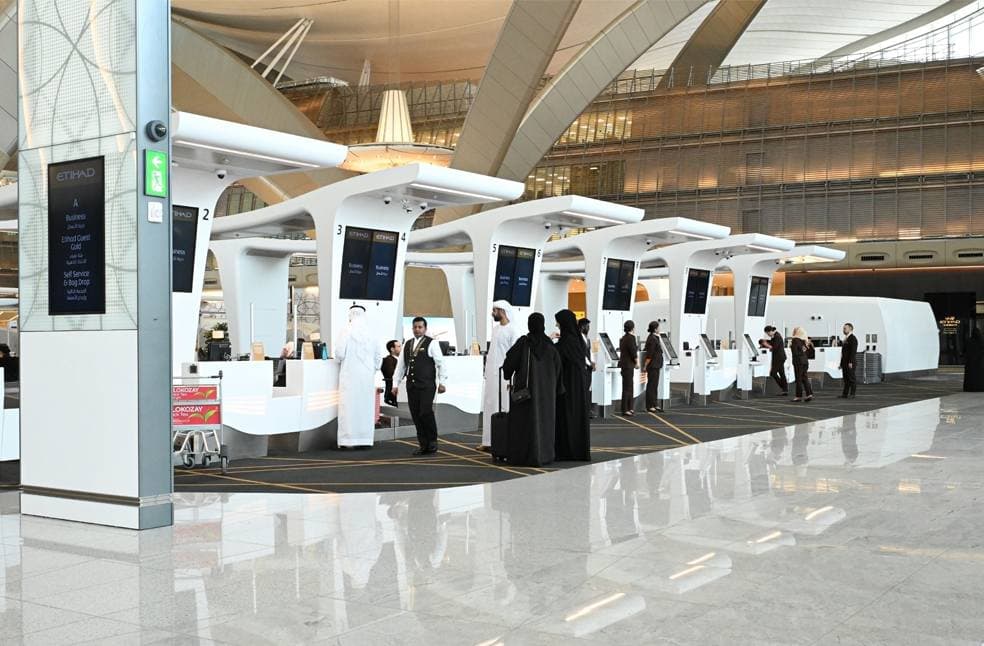
The pilot enables pre-departure clearance at Zayed International Airport and Bahrain International Airport, shifting entry formalities to the airport of departure through a system of biometric verification, e-gates, and advanced passenger data exchange to reduce processing times and gate congestion.
How the pilot is set up: agencies and infrastructure
The technical rollout is being handled by the Federal Authority for Identity, Citizenship, Customs and Port Security in the UAE and the Ministry of Interior in Bahrain, coordinated with the General Secretariat of the Gulf Cooperation Council (GCC). The platform relies on electronic connectivity between departure and arrival control points, surveillance integration, and real-time biometric checks so that an outbound clearance can serve as inbound processing at the destination.
| Phase | Airports | Key features |
|---|---|---|
| Pilot | Zayed International Airport, Bahrain International Airport | Pre-departure clearance, biometric e-gates, advanced passenger data |
| Scale-up | Other GCC airports (planned) | Regional data exchange, customs integration, transit optimization |
Operational benefits: passenger flow and security
By validating traveler identity and permissions at origin, the system aims to:
📚 You may also like
- Reduce queue times at arrival halls and expedite baggage clearance.
- Decrease face-to-face paperwork and streamline customs checks.
- Maintain or improve security standards via synchronized biometric matching and centralized watchlists.
Those are not just buzzwords — processing that used to take 20–30 minutes can be cut significantly when the data handoff is seamless. In plain terms: less waiting, fewer bottlenecks, and a more predictable arrival schedule for onward connections.
Economic and tourism implications
The initiative is positioned to stimulate bilateral tourism and trade by treating participating hubs as streamlined departure gateways. Authorities expect increased passenger throughput to translate into higher visitor numbers and more efficient business travel, which in turn supports hotel bookings, events, and related services.
Major General Suhail Saeed Al Khaili, Director-General of the Federal Authority for Identity, Citizenship, Customs, and Port Security, described the project as an example of GCC cooperation to facilitate passenger journeys while preserving safety and privacy through advanced data exchange. Acting Director-General of Ports, Mohammed Ahmed Al Kuwaiti, characterized the effort as a strategic integration step leveraging digital transformation.
Practical effects for boating and yacht sectors
Though focused on air travel, the project has knock-on effects for maritime and charter sectors. Faster international arrivals mean:
- Quicker crew rotations for yachts and superyachts arriving by air.
- More predictable windows for captains and charter operators coordinating pick-ups at marinas.
- Improved access for tourists booking short-notice yacht charters, day trips, or fishing excursions.
As someone who’s watched a captain miss a noon departure because a crew flight was delayed, I can tell you predictability matters — and sometimes a smoother airport process is the domino that sets a whole week of charter plans right. No one wants to hear “we’re delayed” when the sun’s high and the sea’s calling; the faster people clear customs, the sooner they’re on a deck enjoying the view.
Implementation challenges and safeguards
Key operational considerations include:
- Data protection: ensuring passenger biometric and travel data are stored and shared under strict privacy frameworks.
- Interoperability: aligning hardware and software standards between airports and security agencies.
- Contingency procedures: fallback processes for travelers who fail pre-clearance or face connectivity issues.
Authorities stress that encryption, audits, and legal safeguards are part of the deployment to keep accuracy and privacy high while enabling speed.
Checklist for marinas and charter operators
- Update arrival and pickup scheduling templates to factor in shorter clearing times.
- Coordinate with local agents and captains for crew rotation windows informed by pre-clearance timetables.
- Promote faster arrival-to-marina itineraries to guests in marketing materials (e.g., “Arrive, clear, and set sail faster!”).
Rolling this kind of model out regionally could position participating airports as preferred transit hubs and strengthen customs integration — a win for both aviation and adjacent industries like yachting and boating where timing and smooth transfers matter.
In summary, the One-Point Air Travelers pilot at Zayed International Airport and Bahrain International Airport moves entry formalities to the departure end using biometric systems, e-gates, and data exchange to lower congestion and speed processing. The project is administered by the Federal Authority for Identity, Citizenship, Customs and Port Security and the Ministry of Interior, coordinated with the General Secretariat of the Gulf Cooperation Council (GCC). Expected outcomes include improved passenger flow, enhanced security integration, and uplifted tourism and trade. For the yacht and charter community specifically, the change promises smoother crew rotations, more reliable captain schedules, and faster guest transfers from airport to marina — a tangible boon for boat hire, sailing activities, superyacht operations, fishing trips, and beachfront Destinations across the gulf and beyond.


