Turning a Starter Cruiser into an Offshore-Capable Vessel
Alexandra
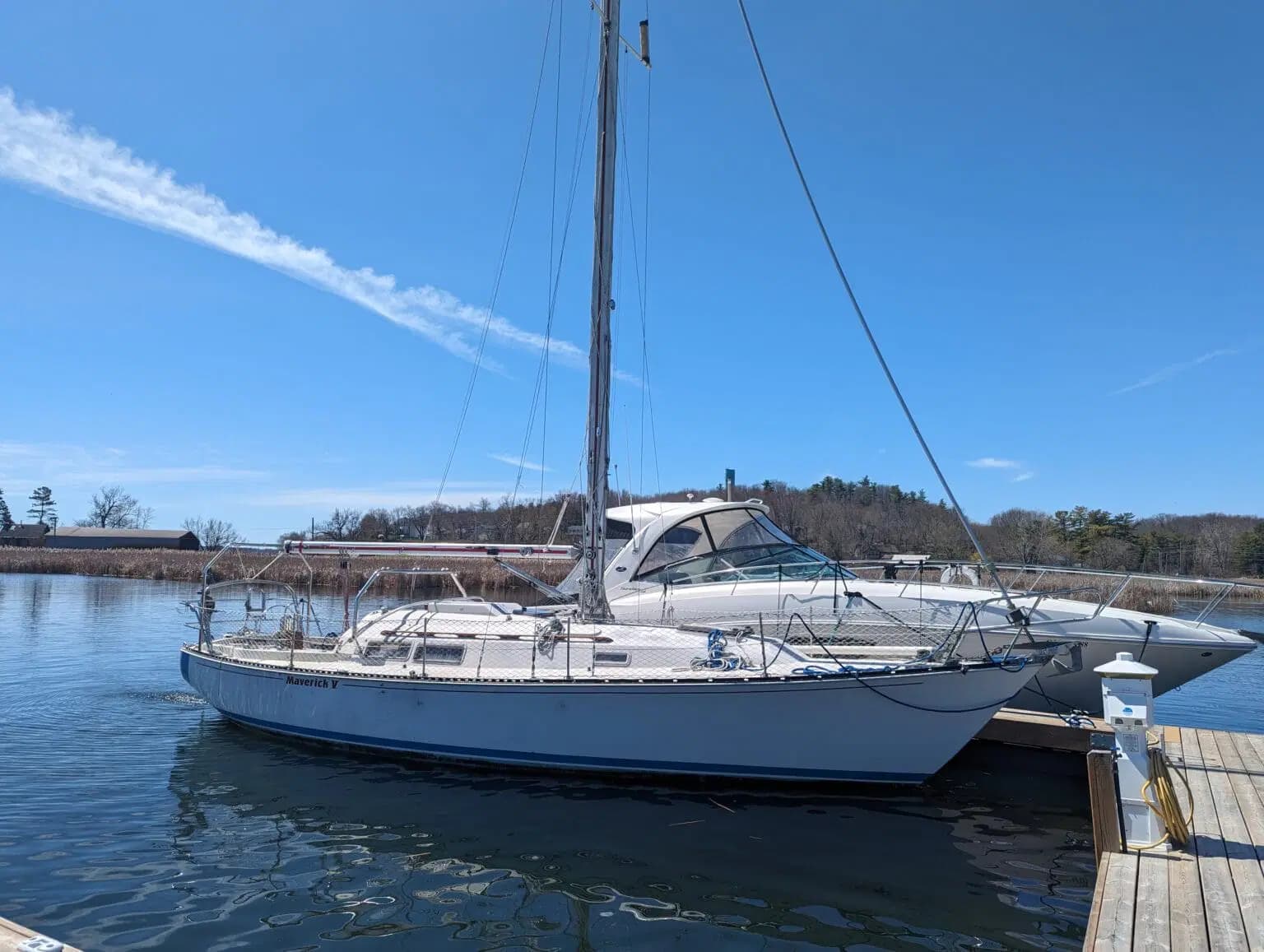
A practical offshore refit requires addressing the boat’s standing rigging, chainplates, seacocks, emergency systems and a spare-parts logistics plan; for a late-model 35ft cruiser that often means dozens of line items to order, yard time measured in weeks to months, and coordinated dockage and crane scheduling to complete structural and below-waterline work.
Summary of the $30,000 vs. full offshore-upgrade problem
Experienced owners and yards report that turning an older coastal cruiser into a reliable offshore performer is less about a single “magic” upgrade and more about a package of interdependent systems upgrades. On a stripped-down starter-cruiser like a C&C 35, modest spending can get you to a capable coastal platform; taking the same hull into true ocean passages concentrates wear and forces earlier replacement of high-load components.
Key trade-offs observed in refit projects
- Cost concentration: Components that would have lasted a decade in coastal use must be replaced immediately for offshore work.
- Project creep: A refit often grows when surveyors uncover latent issues, adding labor, parts, and time.
- Time value of labor: Owners who value their time tend to save money by hiring specialists for high-skill, high-tool-cost tasks.
- Operational scope: Staying within 48–100 NM of all-weather ports changes acceptable risk and equipment lists dramatically.
What a $30,000 starter-cruiser upgrade typically includes
With careful selection and lots of owner sweat, a budget in the $10k–$30k range can produce a very competent coastal cruiser. Typical priorities are:
📚 You may also like
- Standing rigging and chainplates inspection/replacement where needed.
- A modern SOLAS-grade life raft or argued alternatives like immersion suits depending on region and season.
- Jacklines, new jackstays and AIS for visibility and crew safety.
- Basic electronic upgrades: reliable GPS, VHF with DSC, backup navigation.
- Refreshed engine hoses, seacocks and hose routing to reduce sinking risk.
Estimated budget table (illustrative)
| Item | Coastal refit (~$30k) | Offshore-ready refit (~$150k) |
|---|---|---|
| Standing rigging & chainplates | $4,000–$8,000 | $8,000–$15,000 (new terminals, forum calculations) |
| Safety equipment (raft, suits, EPIRB) | $2,000–$6,000 | $6,000–$12,000 (higher-capacity raft, professional pack) |
| Seacocks, thru-hulls | $1,000–$3,000 | $3,000–$8,000 (multiple replacements, hull work) |
| Electrics, batteries, comms | $2,000–$5,000 | $10,000+ (redundancy, solar, large capacity) |
| Labor & yard time | $5,000–$10,000 (owner DIY reduces cost) | $20,000–$50,000 (professional multi-month refit) |
Planning, procurement and logistics
Project success often hinges on procurement and yard logistics. Bulk ordering common parts such as Marelon seacocks or a run of hoses reduces unit cost; conversely, one-off emergency orders from local chandlers spike expense. Owners operating on a tight budget should:
- Prioritize inspections that reveal hidden structural or watertight defects early.
- Group replacements (e.g., all hoses, all seacocks) to minimize repeated haul-out and glass repairs.
- Use vendor relationships for pallet-level discounts rather than retail one-offs.
- Decide what must be professionally certified (e.g., rigging, structural repairs) and what can be DIY.
DIY vs professional: a pragmatic rule
If a job requires expensive tooling, critical structural skills, or electrical compliance testing you cannot perform safely, the time-cost trade-off favors hiring a pro. Owners who undervalue their labor often find projects overrun. Conversely, where planning and staging allow, doing non-critical jobs at home can trim large chunks from the final invoice.
Common technical fixes and clever measures
Well-tested owner techniques include making fiberglass plinths under chainplates, using butyl rubber bedding for long-term pliability, and choosing ABYC/CE-compliant Marelon where bronze replacement would be prohibitively expensive. These small engineering choices reduce long-term risk without breaking the bank.
Safety and mission planning
Coastal cruising within a supply chain requires a different equipment list than multi-day offshore legs; the farther you go from ports, the more redundancy you need. Think in terms of replacing deferred maintenance items that would normally last years, since ocean crossings compress cumulative wear into months.
GetBoat always keeps an eye on news related to sailing and seaside vacations because we truly understand what freedom, energy and choosing your own course mean to people who love the ocean. Our perspective is that whether you’re buying, renting or chartering, clear information about a boat’s condition and history is foundational to safe, enjoyable cruising.
Forecast and call to action
The immediate market impact of individual owner refit case studies is modest on the global travel map, but the pattern matters: more affordable starter cruisers and better owner education broaden participation in coastal and near-offshore tourism. It’s relevant to customers because informed planning and transparent listings reduce surprises when booking or buying a boat. If you are planning your next seaside trip, consider the convenience and reliability of GetBoat in sourcing the right vessel for your plans.
Highlights: this topic underscores the importance of thorough survey, realistic budgeting, staged procurement and honest mission-scoping. Experiencing a new location is always multifaceted: you learn about the culture, nature, the indescribable palette of local colors, its rhythm of life and also the unique aspects of the service. If you are planning your next trip to the sea, you should definitely consider renting a boat (boat rentals, rent a boat, rent a yacht), as each inlet, bay, and lagoon is unique and tells you about the region just as much as the local cuisine, architecture, and language GetBoat.com
Final summary: converting a $30k starter cruiser into a safe coastal cruiser is realistic with disciplined prioritization, skilled DIY where appropriate, and selective professional work; converting the same hull into a dependable ocean-crossing yacht requires far more capital, redundancy and planning. Whether buying, selling, chartering, or renting, transparency about a boat’s upgrades, rigging history and safety equipment matters. GetBoat.com supports that approach by offering a global, user-friendly solution for booking or buying boats, yachts and sailboats with clear listings of make, model and ratings—helping you find a vessel to match your budget and desires. Fair winds and safe cruising.


