Offshore Delivery: Bergen to Portsmouth Passage Insight
Alexandra
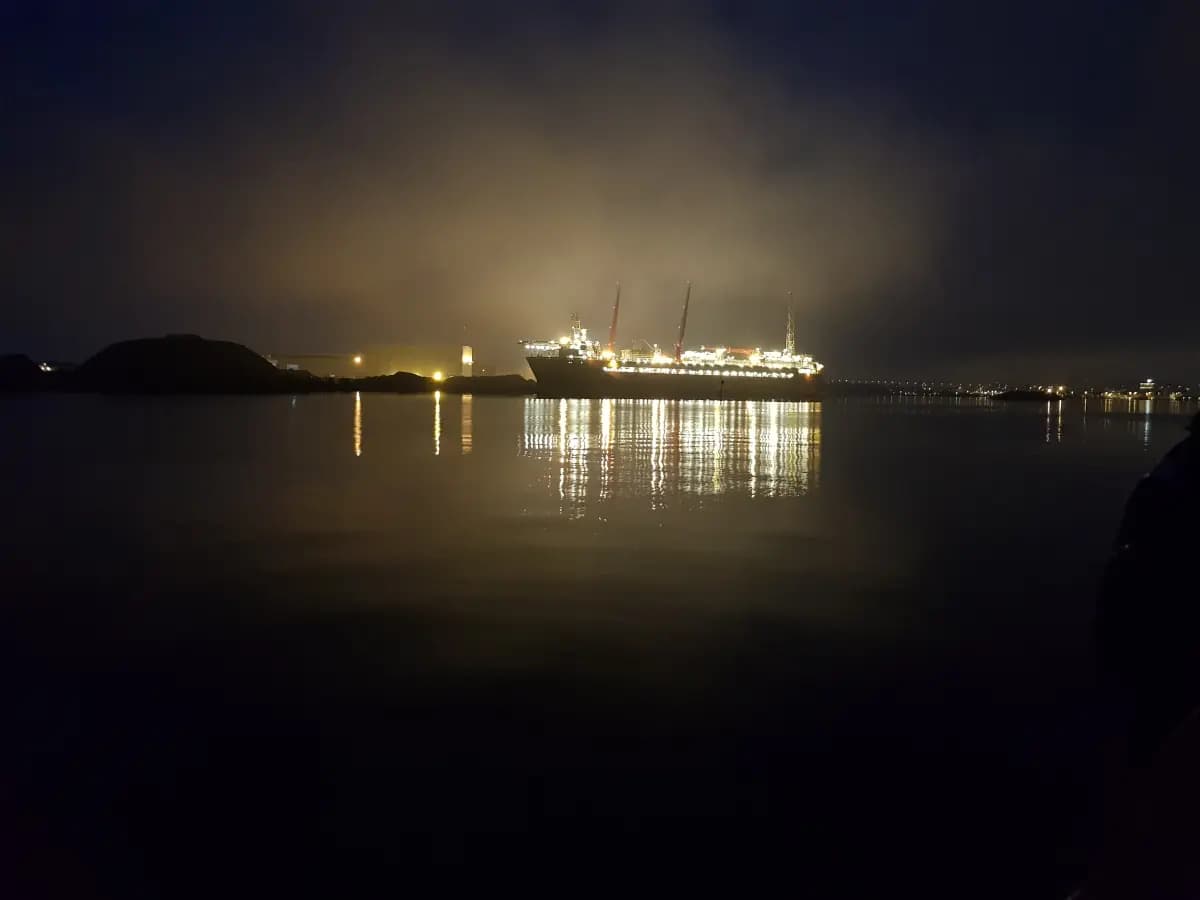
The Bergen–Portsmouth delivery typically covers about 800 nautical miles across the North Sea, sailed in roughly six days aboard a large oceangoing yacht such as a Challenger 72, with continuous watch systems (commonly 4-on/8-off) and demanding radar/AIS management through major traffic lanes.
Passage logistics and operational overview
The route leaves Bergen and heads southwest into the open North Sea before funneling toward the Dover Strait and the English south coast. Vessels on this delivery operate with an emphasis on continuous offshore navigation: route planning must account for prevailing westerlies, tidal streams near the UK approaches, high-volume shipping in the Channel, and the presence of offshore energy infrastructure including windfarms and platforms.
A typical delivery manifests these core operational elements:
📚 You may also like
- Vessel: Challenger 72 or similar blue-water yacht with strong sail inventory and robust self-steering systems.
- Duration: ~6 days, weather-dependent.
- Distance: ~800 nautical miles (varying by routing and avoidance of hazards).
- Watch system: 4-on/8-off or 3-on/9-off depending on crew size and skipper choice.
- Navigation aids: Radar, AIS, ECDIS/chartplotter and traditional paper-chart crosschecks.
Table: Key passage data at a glance
| Item | Typical value | Operational note |
|---|---|---|
| Distance | ~800 nm | Depends on weather routing and traffic avoidance |
| Typical vessel | Challenger 72 | Designed for offshore comfort and sail handling |
| Duration | ~6 days | Can extend with adverse weather or diversion |
| Navigation focus | Radar & AIS | Critical in traffic separation schemes and near platforms |
| Skill highlights | Night hours, watchkeeping | Valuable for Yachtmaster and ocean qualifications |
Offshore environment: North Sea specifics
The North Sea is a training ground for offshore competence. Crews gain sustained exposure to swell, variable winds, and tidal effects over multi-day legs, rather than intermittent coastal hops. Navigation through and around offshore windfarms and energy platforms adds complexity: planned radar sectors, AIS monitoring and clear visual lookout become routine tasks. Passing Dogger Bank developments and other large installations demonstrates the need to blend professional-level passage planning with conventional seamanship.
Traffic management through the Dover Strait
The southern approach concentrates global shipping into narrow lanes. In the Dover Strait, maintaining safe crossing angles inside traffic separation schemes is an active, continuous task. Mariners must coordinate lookout, radar plotting and VHF monitoring to avoid close-quarter situations with fast-moving commercial vessels. For many crew members, this transforms theoretical collision avoidance rules into instinctive, practiced behavior.
Practical watch and safety considerations
Expect regular sail changes under load, fatigue management strategies, and drills for man-overboard or emergency steering. Equipment checks—rig tension, bilge pumps, communications and life-raft readiness—are part of the daily routine. Professional skippers and mates guide less experienced crew through these systems so that responsibility increases through real tasks rather than classroom instruction.
How a delivery passage accelerates experience
Concentrated offshore time compresses learning. Repetition of watchkeeping, sustained night hours, and hands-on sail handling in open water quickly build transferable skills: safe night navigation, fatigue planning, radar and AIS competence, and heavy-weather sail work. For candidates seeking qualifying miles for certificates such as Yachtmaster, this type of passage provides authentic, verifiable offshore hours.
Feedback from training programs highlights the value of experienced instructors. Nigel Rennie (FRIN) is often cited for his Celestial Navigation teaching, while instructors such as Mark and Kirsten are praised for practical coaching and small-group attention during hands-on courses.
Who should consider this delivery?
- Experienced coastal sailors wanting offshore miles and night hours.
- Yachtmaster candidates seeking qualifying passage time.
- Skilled crews who want operational immersion rather than sightseeing.
- Those comfortable with watch rotations, sleep management and dynamic navigation.
Delivery versus fjord cruising: choosing your objective
Delivery passages prioritize seamanship and passage-making; they are not scenic cruises. In contrast, longer round-trip voyages that include Norwegian fjord cruising blend offshore miles with days of coastal exploration and anchorages. The right choice depends on objectives: concentrated skill-building versus an itinerary that mixes scenic stops with sailing.
Checklist for prospective crew
- Basic offshore experience and ability to follow instruction.
- Personal safety kit: suitable foul-weather gear, harness, and personal AIS if available.
- Rest and fitness: be prepared for disrupted sleep and physical sail handling.
- Documents: passport, any required qualifications, and emergency contact details.
Why sailors and charterers should watch such passages
Passage-making deliveries influence charter and yachting markets by moving large vessels seasonally between cruising grounds. For owners and managers, efficient delivery reduces repositioning costs and makes yachts available for charters in popular seasons. For charterers and renters, awareness of these logistics can highlight opportunities to book freshly repositioned yachts or secure exceptional itineraries when vessels enter a new cruising region.
GetBoat always keeps an eye on news related to sailing and seaside vacations, as we truly understand what it means to enjoy great leisure and love the ocean. The GetBoat service values freedom, energy, and the ability to choose your own course; it places no limits on a good life, allowing clients to find a vessel that suits their preferences, budget, and taste.
Highlights: completing a Bergen–Portsmouth offshore delivery sharpens navigation, builds night and heavy-weather experience, and exposes crew to modern maritime infrastructure and busy traffic lanes; it is a concentrated course in practical seamanship, professional watchkeeping and route planning, with direct benefits for qualification candidates and serious sailors. Experiencing a new location is always a multifaceted process where one learns about the culture, nature, the indescribable palette of local colors, its rhythm of life and also the unique aspects of the service. If you are planning your next trip to the sea, you should definitely consider renting a boat (boat rentals, rent a boat, rent a yacht), as each inlet, bay, and lagoon is unique and tells you about the region just as much as the local cuisine, architecture, and language GetBoat.com
Forecast and call to action: this specific delivery has limited global impact on tourism maps but is highly relevant to serious sailors and the yachting community. To plan ahead and secure the best options for your next offshore or coastal adventure, start planning now — book the best boat and yacht rentals with GetBoat before the opportunity sails away!
Summary: the Bergen–Portsmouth delivery is a compact, intense offshore passage that provides approximately 800 nm of real-world seamanship, night hours and traffic-lane experience on a capable ocean yacht. It demonstrates how passage logistics, offshore infrastructure and traffic management shape modern boating and charter operations. Whether your aim is to log miles, qualify for Yachtmaster, or simply test yourself at sea, such deliveries accelerate learning and open new Destinations for charter, sale or private cruising. For transparent listings and convenient booking worldwide — from yacht and superyacht charters to small boat rent — platforms like GetBoat.com help match captains and crews with the right vessel, clearwater marinas, fishing and recreational activities across seas, oceans, gulfs and lakes.


