How to Winterise Yourself as a Sailor
Alexandra
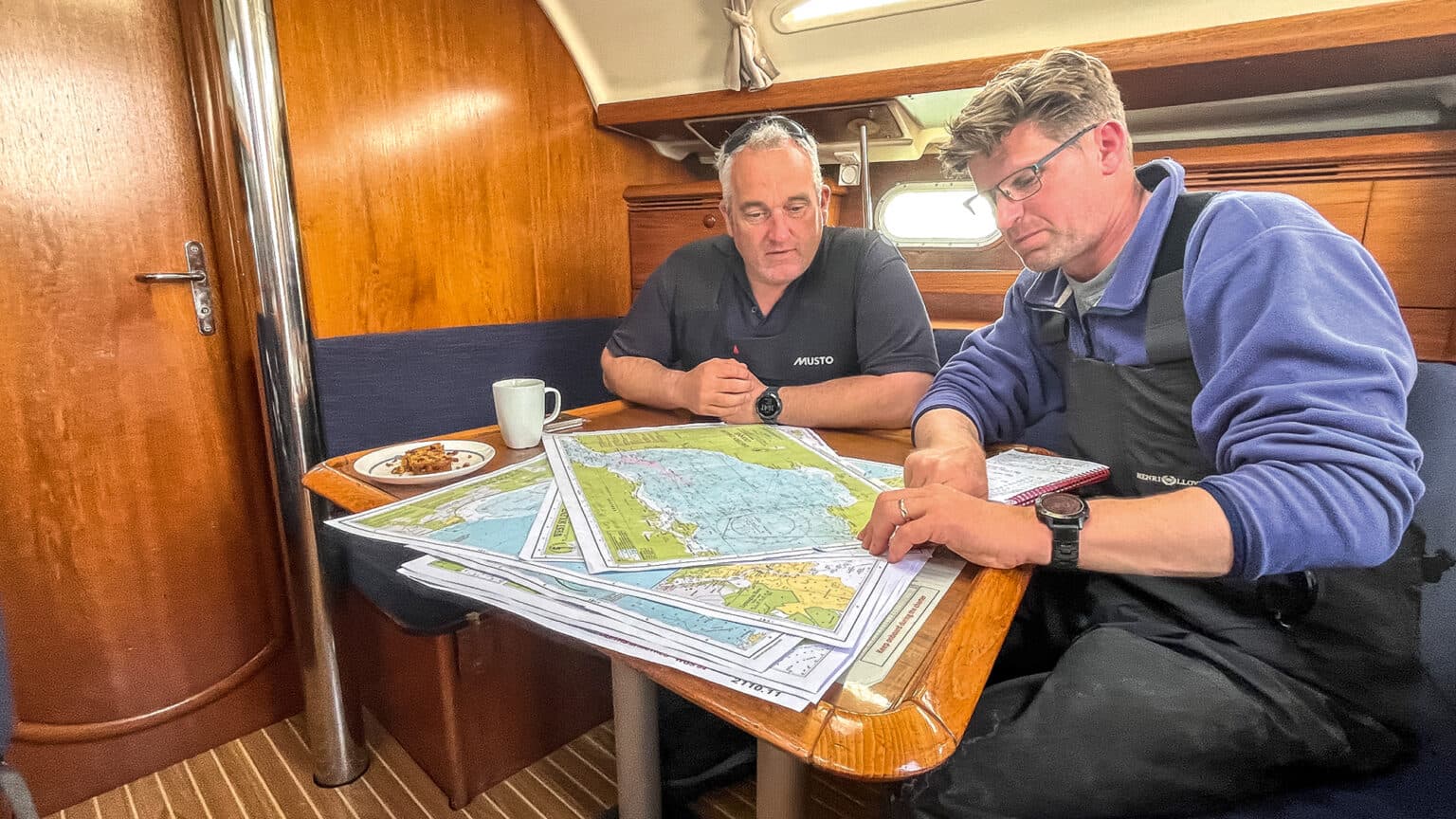
Marinas reduce berth turnover and maintenance crews shift to long-term layup schedules during the off-season, creating predictable windows for sailors to carry out critical servicing, instrument calibration, and hands-on training ashore.
Make the off-season operational: practical tasks with lasting payoff
When the boat is out of commission, the calendar opens for projects that are awkward or impossible underway. Prioritise tasks that directly reduce risk during a season: pump servicing, toilet and macerator overhauls, bilge checks, and engine winterisation. These jobs are messy and time-consuming but, when completed in a dry berth, they restore systems to reliable condition and prevent mid-cruise failures.
Another high-impact area is onboard electronics. Modern instruments, chartplotters, and autopilots are powerful but often underused. Winter offers the breathing room to read manuals, experiment with settings, and test configurations without weather pressure. Understanding the architecture of networks such as NMEA and performing procedures like speed calibration or autopilot tuning turns any crew member into a more valuable deckhand and reduces time lost to troubleshooting during passages.
📚 You may also like
Technical skills that repay in calm and storm
- Electrical checks: battery conditioning, charge system inspection and shore-power tests.
- Fuel and engine: impeller replacement, filters, and coolant system flush.
- Hydraulics and winches: cleaning, lubrication and seals inspection.
- Electronics: chart backups, instrument firmware updates, and NMEA network diagnostics.
- Safety gear: liferaft servicing, EPIRB battery checks and first-aid training.
Training ashore: the student’s year-round advantage
Use the months ashore to shift into the role of student. Enrol in short courses, watch webinars, and practise non-physical skills such as weather routing, passage planning, and navigation theory. Simulated exercises—chart work, collision-regulation quizzes, or night navigation on paper—help preserve mental sharpness. Even without a boat, sailors can learn systems like autopilot algorithms or study radar and AIS behavior, which makes them immediately useful on any crew roster.
Physical training is equally important. The season requires strength, flexibility and endurance: target gym routines that focus on core stability, grip strength and functional cardio. A stronger, more flexible body reduces injury risk and sustains performance during extended watches or heavy-weather sail changes.
Soft skills and crew dynamics
Off-season time is ideal to refine crew procedures and leadership skills. Run tabletop drills for emergencies, rehearse abandon-ship plans, and role-play bow team scenarios. Communication and decision-making exercises improve speed and clarity under pressure—skills that win races and keep passages safe.
Organise maintenance with systemised checklists
One effective method to winterise a sailor is to treat the season like a maintenance sprint, scheduling work into a week-by-week plan. Below is a simple checklist table that can be adapted to any boat size or cruising style.
| Task | Why it matters | Estimated time |
|---|---|---|
| Bilge & Pumps | Prevents flooding and electrical faults | 2–4 hours |
| Rig inspection | Detect wear before sailing season | 4–8 hours |
| Instrument calibration | Improves navigation accuracy | 3–6 hours |
| Engine service | Reduces failure risk on passage | 6–12 hours |
| Safety equipment | Ensures legal and practical readiness | 1–3 hours |
Practical drills and intellectual preparation
Set up realistic scenarios and document outcomes. Run man-overboard mock recoveries using deck markers and timing devices. Practice sail changes in controlled conditions to refine choreography and reduce confusion on the rail. For intellectual preparation, study pilot charts, tides and local weather patterns for your preferred cruising grounds—understanding seasonal wind shifts and currents can alter route choices and provisioning plans dramatically.
Checklist for off-season study and practice
- Read instrument and autopilot manuals; update firmware.
- Complete a first-aid refresher and scenario-based medical drills.
- Perform routine mechanical servicing and document serial parts for ordering.
- Build a weather-routing primer for your next destination.
- Plan crew rosters and emergency responsibilities.
Why this matters to sailors and the leisure market
Winter learning and maintenance reduce unexpected costs and improve safety and enjoyment when the season resumes. For the rental and charter market, crew who arrive with updated skills and systems-savvy translate into smoother charters, fewer in-season breakdowns, and higher guest satisfaction. Owners and charter operators benefit equally: less downtime, fewer emergency call-outs, and a better reputation among customers.
GetBoat’s perspective
GetBoat always keeps an eye on news related to sailing and seaside vacations, as we truly understand what it means to enjoy great leisure and love the ocean. The service values freedom, energy, and the ability to choose your own course; there are no limits on a good life when you can find a vessel that suits your preferences, budget, and taste. Whether preparing for a season of coastal cruising or planning a charter, understanding maintenance and training schedules improves the rental experience for everyone involved and supports better matches between clients and craft.
Important highlights: winter is the smart time to sharpen navigation and systems knowledge, service the dirty and technical jobs you dread during the season, and hone both physical fitness and crew coordination. Experiencing a new location is always a multifaceted process, where one learns about the culture, nature, the indescribable palette of local colors, its rhythm of life and also the unique aspects of the service. If you are planning your next trip to the sea, you should definitely consider renting a boat (boat rentals, rent a boat, rent a yacht), as each inlet, bay, and lagoon is unique and tells you about the region just as much as the local cuisine, architecture, and language GetBoat.com
Forecast and call to action: this advice is not a global upheaval in tourism, but it matters to individual sailors and local charter markets—properly prepared crews and well-serviced vessels make charters safer and more enjoyable. Start planning your next seaside adventure and make sure to book the best boat and yacht rentals with GetBoat before the opportunity sails away!
Summary: winter is the season to become a better sailor—service pumps and engines, master instruments and networks, train physically and mentally, and practise crew procedures. These steps cut risk, reduce downtime, and enhance enjoyment whether you own a yacht, charter a boat, or are considering a sale or long-term rental. For anyone dreaming of the beach, lake or open ocean, practical preparation pays dividends in safety and satisfaction; platforms like GetBoat provide transparent listings, detailed info on make, model and ratings, and a global marketplace to book charters and rentals across marinas and destinations—supporting unforgettable yachting, boating, sailing, and fishing activities under sun and sea.


