NueGo accelerates growth with new electric bus routes spanning India's major cities
Alexandra
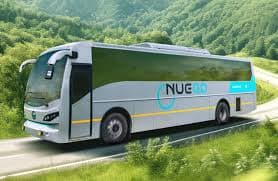
NueGo's Strategic Expansion of Electric Intercity Travel
The electric intercity bus service brand NueGo, operated by GreenCell Mobility, has significantly expanded its network across India, now covering more than 120 cities nationwide. This wide-reaching growth introduces multiple new routes in both South and North India, responding to travelers' increasing demand for sustainable, safe, and comfortable transportation options between cities.
The newly added routes include key corridors such as Chennai–Salem, Gurugram–Jaipur, Delhi–Lucknow, Bangalore–Mangalore, Vijayawada–Chennai, Vijayawada–Tirupati, Jaipur–Udaipur, and Pondicherry–Trichy, among others. These routes enhance regional connectivity and offer both business and leisure travelers a green alternative to conventional intercity travel, all while prioritizing modern technology and passenger amenities.
What Makes NueGo’s Electric Buses Stand Out?
NueGo’s fleet consists of state-of-the-art air-conditioned electric coaches built with passenger comfort at their core. Features of these buses include:
📚 You may also like
- Assisted boarding to make entry smoother
- Regular sanitization of seats to ensure hygiene
- Complimentary water bottles and tissues provided onboard
- Peaceful and quiet rides thanks to electric propulsion
Safety measures are rigorous. Each vehicle undergoes 25 detailed mechanical and electrical checks before entering service. Onboard security includes CCTV surveillance, breath analyzers for drivers, monitoring systems, and speed-limiting technology. Such protocols make these buses a trusted choice, especially for families and women travelers.
Historical Background: Evolution of Intercity Transport in India
India’s transport infrastructure has long been a mosaic blending rail, road, air, and water routes. At independence, the country already had a sizeable railway system, celebrated as one of the world’s longest, serving as a backbone for goods and passenger traffic. Over the decades, roads surged ahead with remarkable expansion, supporting increasing volumes of buses, trucks, and private vehicles.
Intercity buses have traditionally been a lifeline for millions, bridging vast geographic and cultural distances. In recent years, however, concerns over air pollution, traffic congestion, and road safety have driven interest in greener alternatives. The introduction of electric vehicles like NueGo’s buses represents a significant shift towards environmentally friendly travel in a market dominated by diesel-powered options.
Table: Growth in Indian Intercity Transportation Modes (1947–Present)
| Transportation Mode | 1947 | 2020s | Key Developments |
|---|---|---|---|
| Railways | 38,500 miles of track (mainly broad gauge) | Expanded network with electrification and double-tracking | Shift from steam to diesel-electric and electrification |
| Roads (Hard-surfaced) | 66,000 miles | Over 550,000 miles | Massive expansion supporting bus and truck traffic |
| Intercity Bus Services | Predominantly diesel buses, state-owned operators | Growth of private and emerging electric bus fleets | Introduction of cleaner, safer, tech-enabled options like NueGo |
| Air Transport | Newly nationalized airlines, limited domestic routes | Rapid growth, widespread coverage across cities | Expansion of major airports and low-cost carriers |
Looking Ahead: Implications for Sustainable Travel and Tourism
The expansion of electric intercity bus networks such as NueGo’s represents more than just transportation innovation; it signals a wider shift towards sustainable travel practices in India. By offering comfortable, tech-savvy, and eco-friendly alternatives, these services can help reduce carbon footprints, ease road congestion, and improve air quality along heavily trafficked routes.
From a tourism perspective, better regional connectivity encourages exploration beyond major metros, supporting smaller cities and emerging destinations. Tourists seeking authentic experiences can now access these places more sustainably, enhancing both business and leisure travel options. The integration of digital booking platforms adds convenience and encourages younger, tech-oriented travelers to embrace greener choices.
Key Benefits of Electric Intercity Bus Services in India
- Environmental impact: Lower emissions and reduced reliance on fossil fuels
- Passenger comfort: Modern amenities and quiet rides enhance journey quality
- Safety enhancements: Advanced monitoring and thorough vehicle inspections
- Economic accessibility: Offers affordable travel to diverse passenger groups
- Regional growth: Improved links foster tourism and commerce in secondary cities
Challenges and Future Considerations
While this expansion marks an important milestone, challenges remain in scaling electric fleets across India's vast and varied geography. Infrastructure for charging stations, maintenance facilities, and grid capacity must be robustly developed. Additionally, public awareness and incentives could accelerate the shift from traditional diesel buses.
Conclusion
NueGo’s recent launch of new routes across key corridors in South and North India marks a major step forward for electric intercity travel in the country. By blending enhanced safety, sustainable technology, and passenger comfort, NueGo is helping reshape how millions commute between cities. Historically rooted in India’s evolving transport landscape, this electrification wave resonates well with globally growing trends in green tourism and travel innovation.
For travelers interested in exploring India’s vibrant coastal and lakeside destinations or those seeking unforgettable boating and water activities, improved intercity connectivity opens new gateways. Services like GetBoat.com celebrate this trend, offering an international marketplace to rent yachts, sailing boats, and superyachts perfectly suited for enjoying the sea, gulf, lakes, and marinas. This synergy between sustainable land transport and accessible boating options enhances travel experiences across India’s gorgeous waterways and beyond.


