Norway’s Youth-Sport Model and Its Effects on Sailing
Alexandra
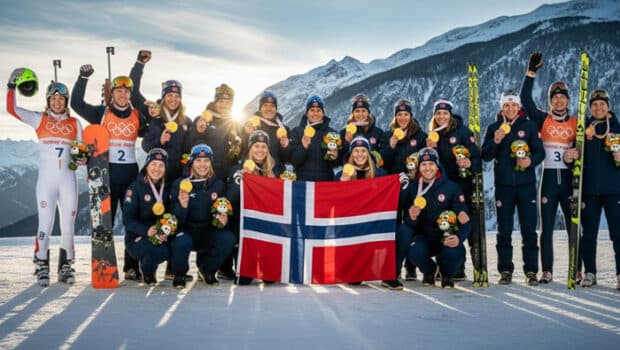
Norway’s policy of banning scorekeeping and league standings for athletes under 12 has direct effects on athlete development pipelines, scheduling of multi-sport facilities, and the allocation of coach boats and marina berths during youth training cycles.
2026 Olympic numbers and a policy that scales
At the 2026 Winter Olympics Norway led the medal table with 41 total medals including a record 18 golds, while the United States finished second with 33 total medals and 12 golds. Those raw figures mask a key operational insight: Norway’s smaller population (about 5.7 million vs. the USA’s roughly 342 million) forces a different approach to athlete logistics, talent development, and resource distribution across communities.
Why the rule matters for development pipelines
According to reporting that followed the Games, including coverage cited by CNN, youth sports in Norway avoid early specialization by keeping competition informal until age 12. Tore Ovebro, Norway’s director of elite sport, summarized the strategy succinctly: systems should focus on development rather than early elimination.
📚 You may also like
Policy snapshot
| Metric | Norway (2026) | United States (2026) |
|---|---|---|
| Total medals | 41 | 33 |
| Gold medals | 18 | 12 |
| Population (approx.) | 5.7m | 342m |
Operational consequences for community sport and sailing
The Norwegian approach changes how communities plan facilities, coach allocations, and transport. Less emphasis on early competition reduces travel for tournaments, cuts the need for frequent intercity logistics, and spreads use of local gyms, ranges, and marinas across more sports and age groups. That same logic plays out on the water.
In coastal cities where youth sailing is strong, the policy encourages kids to try multiple boats and disciplines before specializing — which impacts demand patterns for rentals, coaching launches, and berth usage. Observers in Southern California noted an uptick in coach-boat operations: two youth C420s entering San Diego Bay each trailed by a coach boat, a small illustration of how coaching logistics have become a year-round fixture rather than a summer-only convenience.
Practical implications for marinas and boat rental operators
- Berth scheduling: Multi-sport programs require flexible marina scheduling rather than long-term seasonal leases for youth fleets.
- Coach boats: Demand for powered coach launches increases; operators must ensure fuel logistics and trained captains.
- Boat turnover: Rental fleets that include C420s, dinghies, and keelboats should anticipate longer mixed-use windows as youngsters sample different classes.
- Programming: Operators who offer multi-sport or cross-training packages (e.g., sail + windsurf + kayaking) can capture families seeking breadth over early specialization.
Checklist for charter & rental managers
- Review youth insurance and waivers when coach boats are present.
- Coordinate with local clubs to stagger training sessions and reduce peak congestion.
- Train staff to manage mixed fleets and quick turnarounds between classes.
- Market multi-activity packages to families who value exploration over competition.
Costs, culture, and a captain’s perspective
From a cost perspective, fewer early tournaments mean lower travel and lodging expenses but potentially higher investment in local coaching and facility maintenance. Culturally, Norway’s method trades early cutthroat selection for broad base development — “slow and steady” with system-level logistics to support it. For captains, coaches, and charter operators this is a double-edged sword: demand becomes steadier and more diverse, but planning complexity rises.
For the recreational market — charter firms, yacht clubs, and boat-for-rent services — the ripple effects are tangible. Families who value diversified youth exposure tend to book shorter, more frequent experiences: half-day lessons, trial sails on a rented C420, or combined sailing-and-fishing afternoons. That creates opportunities for small marinas and independent captains to tailor offerings to a new kind of customer.
Key operational takeaways
- Adopt flexible scheduling and short-term rental options.
- Ensure coach boats and captains are available year-round, not just in summer.
- Promote multi-activity packages that reflect the “try everything” ethos.
- Use local data to forecast berth use and staffing needs instead of assuming seasonal peaks.
In short, Norway’s medal success is anchored not only in athlete talent but in policy choices that shape logistics, facilities, and coaching models. For the sailing and boat rental sector, that means preparing for steadier, more varied demand: more youth trying different boats, more coach launches on the water, and more families booking experiential charters. Think of it this way — if you want to catch the wave, you’ve got to watch the tide and plan your dock time.
To wrap up: Norway’s no-score rule until age 12 and focus on enjoyment over early specialization has delivered exceptional Olympic results and created practical shifts in sport logistics. For marinas, charter operators, and boat-for-rent businesses, the implications include adjusted berth management, increased coach-boat operations, and opportunities to sell multi-activity packages that appeal to families. The main takeaway ties back to boating and yachting markets: adapt fleet, staffing, and marketing to capture demand for youth sailing, yacht charters, beach activities, and sea-based training — from small C420 lessons to superyacht crew training near marinas in the gulf, lake, or ocean. Yacht, charter, boat, beach, rent, lake, sailing, captain, sale, Destinations, superyacht, activities, yachting, sea, ocean, boating, gulf, water, sunseeker, marinas, clearwater, fishing.


