How Nordhavn rallies build confident ocean voyagers
Alexandra
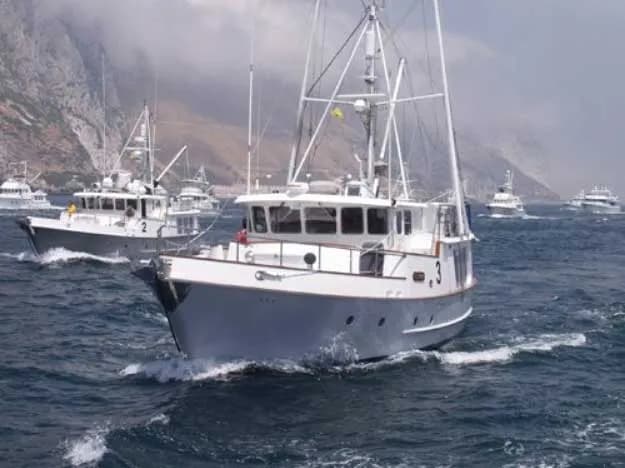
Nordhavn owner convoys routinely plan legs of 1,000+ nautical miles with staggered departures, predefined waypoints, and coordinated comms so vessels maintain convoy integrity while minimizing single-point risks on long passages.
How staged rallies reduce passage risk
Organized rallies act like a logistical training ground: they fragment a daunting ocean crossing into manageable sections, provide on-the-water peer support, and establish standard operating procedures for emergencies. Nordhavn’s rally model pairs experienced owners with newcomers to create an operational safety net—think of it as a maritime mentorship program where the group maintains situational awareness, shares weather routing, and often coordinates fuel and provisioning stops.
Rally formats and typical support
There are several rally formats used by Nordhavn and similar owner groups:
📚 You may also like
- Company-led rallies with staff support and scheduled briefings;
- Owner-driven rallies that emphasize peer coordination and shared navigation plans;
- Hybrid runs where manufacturer presence is limited but experienced skippers volunteer guidance.
Example rally features
| Rally | Approx. Distance (nm) | Region | Support Model |
|---|---|---|---|
| Taco Run | ~1,000 | Sea of Cortez | Pacific Asian Enterprises staff + owner mentors |
| Conch Run | 1,000+ | Bahamas | Nordhavn sales office coordination |
| Pacific Crossing (owner groups) | 3,000+ | North Pacific | Staggered departures + peer comms |
From day hops to ocean crossings: a practical roadmap
Owners typically progress through a sequence of increasing complexity: coastal cruises, multi-day offshore hops, 1,000 nm rallies, then trans-ocean passages. Each step adds layers of planning—long-range weather routing, redundancy in propulsion and electrics, and polished watch rotations. The key is incremental exposure: join a rally, learn how others handle provisioning and maintenance at sea, then “bite the bullet” and take on a longer leg when confident.
Checklist: what owners learn during rallies
- Weather routing and interpreting GRIB files
- Fuel management and range planning
- Watch schedules and fatigue mitigation
- Communications protocols (VHF, satphone, group text chains)
- Emergency response drills and abandon-ship planning
Communications and convoy etiquette
Most rallies use a mix of VHF channels for local maneuvering and group text chains or satellite messaging for long-range coordination. Staggered departures help reduce traffic at fuel docks and allow boats of differing performance to maintain safe separations. Rendezvous points—such as predetermined marinas or anchorages—serve as both morale boosters and tactical regrouping nodes.
Real-world outcomes and owner behavior
Nordhavn’s early headline-making crossings—like the Nordhavn 46 Atlantic passages and the Nordhavn 40 global circumnavigation—created an ecosystem where owners began organizing their own rallies. Pacific Asian Enterprises later refocused on smaller, structured runs to give new owners confidence. The Taco Run in the Sea of Cortez and the recently promoted Conch Run in the Bahamas are concrete examples: they provide a digestible scale for learning long-range cruising skills while preserving the camaraderie of group travel.
Owners often report that participating in a shared run is the turning point. One Nordhavn 60 owner used the Taco Run as the springboard to join a Pacific crossing; multiple owners now coordinate departures and plan meetups in destination ports such as Nuku Hiva. The social element—cheering each other off the dock, swapping provisioning tips, and toasting a safe arrival—matters almost as much as the technical preparation.
Implications for charter and boat rental markets
These rally practices influence broader yachting ecosystems: training and staged passagemaking can increase confidence among prospective charterers and private buyers, making brands like Nordhavn more attractive in the resale and sale markets. Marinas and service providers in rally destinations see increased demand for provisioning, maintenance, and transient berths—an opportunity for local businesses and charter operators to tailor packages that include captain services, provisioning, or guided activities.
Takeaway and next steps
Staged rallies convert daunting ocean passages into a sequence of achievable logistical steps, pairing peer support with practical training. For prospective passagemakers and charter operators, following a rally path—coastal hops, 1,000 nm runs, and then a full crossing—builds competence and confidence. Whether you’re considering a private yacht, a crewed charter with a captain, or even a short-term boat rent to test the waters, the rally model is a proven route toward safe, enjoyable long-distance cruising. In short: start small, learn from others, and the sea will feel a lot more like home.
Summary: Nordhavn-organized and owner-led rallies offer a practical logistics framework for passagemaking—staggered departures, planned rendezvous, and shared communications allow owners to progress from day hops to 3,000+ nm crossings. These events boost confidence, influence yacht sales, and create demand for charter, marinas, and services in popular Destinations. Whether your next move is to rent a yacht, book a charter, or buy a boat for sailing and boating around clearwater bays, beaches, gulfs and open ocean, the rally pathway ties together training, community, and real-world experience for safer voyages.


