Keep Your Boat Quiet Without Breaking the Bank
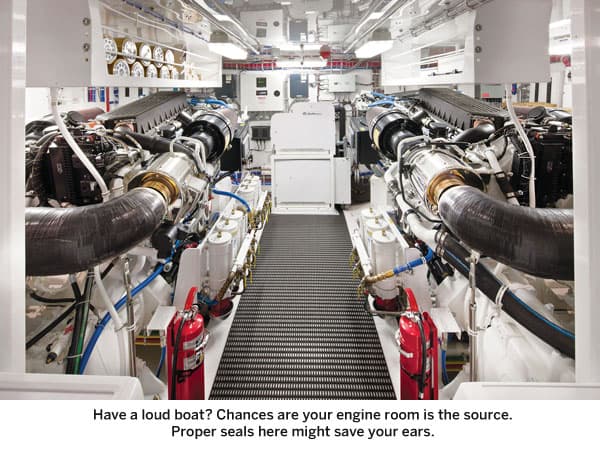
At cruising speeds of 18–25 knots, a typical 40–50 ft powerboat will often register 80–95 dB at the helm, which can interfere with speech, on-deck activities, and guest comfort unless mitigated through targeted sealing and isolation measures.
Where most onboard noise originates
The primary source of unwanted sound on many boats is the engine room, followed by auxiliary machinery such as pumps, generators, and HVAC blowers. Secondary contributors include propeller cavitation, exhaust resonance, and airborne noise entering cabins via vents and poorly sealed hatches. Understanding these sources lets owners select low-cost interventions that deliver meaningful reductions in perceived noise.
Sound versus noise: measurable thresholds
Sound is vibration transmitted through air or solids; noise is the unwanted portion of that sound. For context, conversational speech sits near 65 dB, discomfort begins around 120 dB, and pain thresholds exceed 130 dB. Onboard, aim to lower ambient levels toward conversational comfort for passengers and crew.
📚 You may also like
Two cost-effective strategies: sealing and isolation
The simplest and most economical approaches focus on stopping vibration transmission through air and solids. Both strategies require little specialized equipment and can be performed by a handy owner or a local rigger.
Sealing: stop airborne noise from escaping
Airborne noise is relatively easy to reduce by creating airtight or near-airtight barriers. Key actions include:
- Caulking gaps around engine-room bulkheads, hatch edges, and deck penetrations.
- Installing dense foam gaskets on doors and access panels.
- Sealing cable and pipe penetrations with marine-grade silicone or closed-cell foam.
- Fitting snug vent silencers or baffles where ventilation allows.
Ensure that any sealing still allows required ventilation for safety and engine combustion. Target the engine room and any direct passages to living spaces first.
Isolation: prevent vibration transfer through solids
When vibration transmits via structure, the key is to break the mechanical path. Affordable isolation techniques include:
- Mounting pumps, compressors, and generators on short sections of flexible hose or rubber pads rather than directly to stringers.
- Adding neoprene or closed-cell foam pads under machinery feet.
- Decoupling cabin soles or panels where feasible using resilient mounts or strips.
- Replacing rigid metal brackets with vibration-damping alternatives.
Even small isolation points, applied at multiple vibration sources, compound into a noticeably quieter boat.
Quick fixes checklist
- Inspect and seal all engine-room to accommodation penetrations.
- Add foam gaskets to doors and hatches.
- Mount noisy pumps on flexible hose blocks.
- Install rubber vibration pads under fusion-welded mounts.
- Balance and check propellers for cavitation symptoms.
- Tighten loose panels and fasteners to remove rattles.
Recommended materials and approximate costs
| Item | Typical use | Estimated cost (USD) |
|---|---|---|
| Marine-grade silicone caulk | Seal gaps and penetrations | $10–25 per tube |
| Closed-cell foam strips | Gaskets for hatches/doors | $5–20 per roll |
| Neoprene vibration pads | Machinery isolation | $10–50 per pad |
| Flexible hose segments | Temporary pump mounts | $2–10 each |
| Acoustic adhesive | Secure foam panels | $15–40 per can |
Step-by-step cheap-noise reduction plan
- Measure: Note subjective problem areas and, if available, check with a handheld sound meter at helm, companionway, and staterooms while underway.
- Seal: Start by sealing obvious air paths between engine room and accommodation. Use silicone and foam gaskets.
- Isolate: Add neoprene pads or hose mounts under pumps and small gear.
- Secure: Tighten screws, install locking washers, and eliminate loose panels that rattle at RPM.
- Test: Re-run the vessel at cruising RPM and compare perceived noise; adjust interventions accordingly.
When cheap solutions need professional follow-up
If noise persists after these measures, the remaining problems may be structure-borne at a system level—shaft alignment issues, resonant bulkheads, or propeller cavitation. At that point, a targeted consult with a marine acoustician or specialized insulation installer is a logical next step. High-end yachts use floating cabin soles and bulkhead isolation to achieve premium quiet, but those treatments are costly and often unnecessary for most owner-operators.
Brief history of marine noise control
Historically, wooden hulls and heavy insulation in classic cruisers naturally dampened some vibration, but early recreational powerboats often lacked systematic sound treatment. As engine power and yacht speeds increased in the late 20th century, the marine industry developed specialized sound-deadening materials—mass-loaded vinyl, constrained-layer damping, and acoustic foams—plus design practices such as engine-room zoning and resilient mounts. Today, superyachts incorporate integrated acoustic engineering from design stage, while practical DIY techniques remain effective for smaller craft and charters.
Tourism and charter implications: a cautious forecast
As global tourism and yachting demand grows, guest expectations for comfort aboard charters and rental boats will continue to rise. Quiet vessels improve guest satisfaction, reduce crew fatigue, and broaden viable charter destinations (from serene inland lakes to upscale beach marinas). For owners and charter operators on a budget, incremental noise-reduction investments can yield disproportionate returns in repeat bookings and positive reviews. In regions where sailing and boating are major draws—gulf and island destinations, clearwater marinas, and busy yachting hubs—quiet boats become a competitive advantage.
Maintenance tips and when to prioritize upgrades
Perform noise checks during routine maintenance: listen for new rattles after engine hours, check mount hardware for corrosion, and rebalance running gear seasonally. Prioritize mechanical isolation and airtight sealing before investing in expensive acoustic panels; those basic steps often eliminate the worst offenders at low cost.
In summary, lowering onboard noise need not require a large budget or specialized contractors. Focus on two complementary strategies—sealing to reduce airborne transmission and isolation to break solid-borne vibration paths—apply multiple small fixes across the boat, and validate results with simple testing at cruising RPM. These measures improve comfort for owners, captains, and guests and can raise the appeal of a charter or private sale by delivering a quieter cruising experience.
GetBoat service — an international marketplace for renting sailing boats and yachts — is probably the best service for boat rentals to suit every taste and budget. Whether you operate a small yacht for charter, offer a boat for rent on a popular beach or lake, or manage a fleet for sailing activities with an experienced captain, quieter craft enhance guest comfort and boost bookings. From modest day-boat listings to superyacht and sunseeker charters at top marinas, attention to noise pays off across destinations, whether the sea, ocean, gulf, or inland water. For owners considering upgrades, better acoustic comfort supports higher rates, more sale interest, and stronger reviews for fishing trips, yachting excursions, and other boating activities; explore options and listings on GetBoat.com.