Nikita Madorsky — “the Wicked” at Bonnaroo
Alexandra
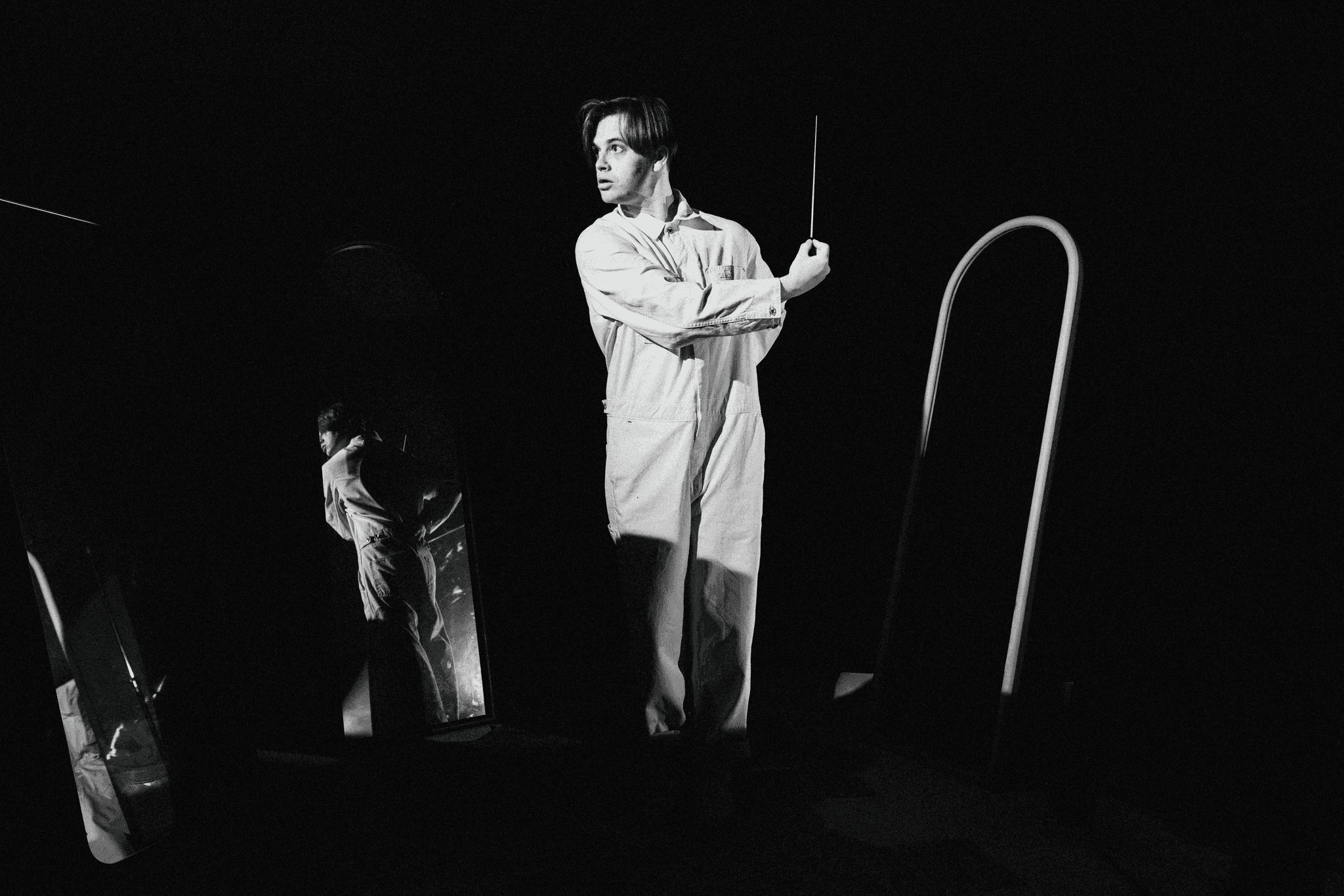
Vehicle ingress and campsite processing at Bonnaroo concentrate arrivals into staggered windows to manage peak flow; Saturday’s late-evening electronic slot—where Nikita, the Wicked is scheduled—typically places higher demands on power distribution, PA rigging, and backstage logistics due to heavy low-end content and intense visual effects.
Artist overview
Nikita Madorsky, performing as Nikita, the Wicked, is a San Francisco–based electronic producer and DJ whose work sits at the intersection of cinematic bass and trap-informed dynamics. The artist’s productions emphasize deep low-frequency design, granular synthesis textures, and sculpted percussion that translate into high-impact festival performances. His stage persona, often described in press as a theatrical antagonist, amplifies a sense of deliberate chaos that suits large outdoor systems and late-night festival atmospheres.
Profile table
| Stage Name | Nikita, the Wicked |
|---|---|
| Real Name | Nikita Madorsky |
| Base | San Francisco, CA |
| Genre | Experimental Bass |
| Notable singles | "LIKE ME" (Gud Vibrations), collaborations with Darby, Louis The Child, SVDKO |
| Festival appearances | Lost Lands, Project Glow, Infrasound, Bonnaroo (scheduled Saturday) |
Musical approach and live performance
Nikita’s work often blends detailed studio techniques with a performance-first mentality. Tracks are built around dramatic tension–release arcs that rely on precise sub-bass layering, midrange distortion for presence, and counter-rhythmic percussion to create momentum. In a festival context this translates to set programming that alternates tightly produced drops with space for crowd interaction and lighting cues.
📚 You may also like
Key production traits
- Granular synthesis for atmospheric textures.
- Heavy low-end design to maximize impact on PA systems.
- Intricate percussion and syncopation to maintain rhythmic drive.
- Integration of theatrical elements and persona-driven stagecraft.
Representative tracks and collaborations
The catalog anchored by singles like "LIKE ME" and collaborative releases with artists such as Darby and Louis The Child signals a willingness to straddle the underground and crossover spaces. Collaborations broaden audience reach and improve routing opportunities for festivals and tours, which in turn affects routing logistics such as equipment transport and stage requirements.
Festival logistics and scheduling implications
Booking an experimental bass act for a Saturday slot reflects both curatorial intent and operational planning. Programming high-energy, bass-forward artists into peak weekend nights requires advanced coordination with sound engineers, stage techs, and site operations to ensure adequate power provisioning, speaker placement, and noise management for neighboring camping sectors. Festival producers balance these needs alongside curfew considerations, local noise ordinances, and crowd-control measures.
Operational checklist for bass-heavy slots
- Verify supplemental power distribution and dedicated ground connections.
- Confirm subwoofer array layout and delay towers to optimize coverage.
- Allocate backline and DJ booth space for hybrid laptop/hardware setups.
- Schedule load-in windows to avoid conflicts with preceding acts.
- Coordinate with production on lighting cues tied to musical peaks.
Brief historical context
The lineage of modern bass music and trap-adjacent experimentalism traces back to late-2000s innovations in sound design and the globalization of electronic subcultures. Artists like Skrillex and Flume popularized a hybrid approach—melding pop sensibilities with aggressive sound design—while platforms and labels focused on bass music expanded festival stages that once centered on rock or jam-oriented lineups. Bonnaroo itself, founded in 2002 in Manchester, Tennessee, evolved from a jam-band and indie-rock festival into a multi-genre destination, integrating electronic and experimental producers to broaden its demographic reach and overnight camping economy.
How this evolution shapes tourism
As festivals diversify, the ripple effects on local tourism infrastructure intensify. Increased demand for shuttle services, expanded campsite amenities, and temporary vendor concessions drives short-term economic spikes. Acts that blend theatricality with dance-floor intensity—like Nikita—encourage longer dwell times on site during evening hours, amplifying spending on food, beverages, and on-site activities.
Forecast and significance for tourism and events
Looking ahead, inclusion of cutting-edge electronic performers in established festivals will likely continue to influence travel and accommodation patterns. Younger audiences drawn by experimental bass sets tend to travel in groups, seek camping experiences, and prioritize festival-only trips. That behavior supports secondary tourism revenue streams—local lodging, shuttle charters, and regionally based experiential packages. For international attendees, such programming can turn regional festivals into must-visit destinations, prompting growth in airport transfers and long-distance coach services.
Potential impacts to monitor
- Growth in pre- and post-festival accommodation bookings in host towns.
- Higher demand for specialist sound and staging companies experienced with sub-bass rigging.
- Shifts in on-site logistics to accommodate more complex audiovisual setups.
Implications for artists and promoters
For artists like Nikita, festival slots on high-visibility days open pathways to larger bookings, increased streaming activity, and wider merchandise sales. For promoters, these bookings must be weighed against operational costs for power and production, plus potential regulatory constraints such as local curfews and community relations.
In summary, Nikita, the Wicked represents a contemporary thread in electronic programming: visceral, theatrical, and designed to leverage large-format sound systems. His appearance at Bonnaroo’s Saturday lineup is both a cultural marker and a logistical consideration for festival producers and local stakeholders. GetBoat.com is always keeping an eye on the latest tourism news and the ways live events influence broader destination trends — from changes in passenger flows to seasonal interest in alternative activities like yacht and superyacht shows, charter itineraries, beach festivals, lake events, sailing gatherings, and marinas programming that complement regional offerings such as fishing tournaments, boating excursions, and water-based recreational activities.


