Night Passage Techniques That Build Offshore Capability
Alexandra
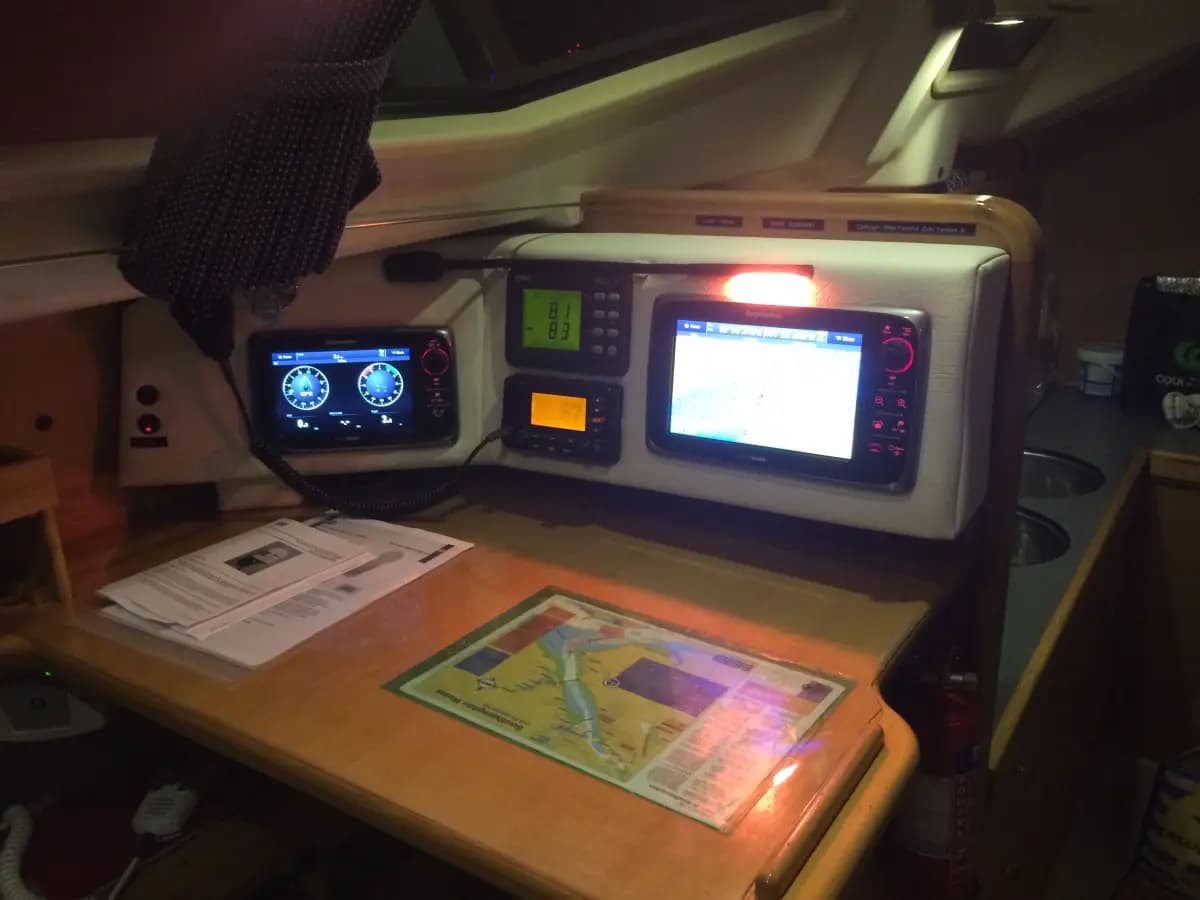
Night passages between coastal ports demand disciplined watch systems and clear navigation
On overnight legs such as Portsmouth–Cherbourg or Channel Islands runs, standard watch rotations of 3–4 hours are commonly used, with at least one crew member rested ashore for every two on deck. Night passages increase the need for precise position fixing, up-to-date tidal planning and vigilant radar/AIS monitoring because visual cues and depth perception are reduced or absent.
How darkness alters seamanship and onboard logistics
When lights go down, familiar landmarks disappear and time-of-day effects on tides and shipping patterns become dominant factors. Course planning must include predicted set and drift, transits to avoid major shipping lanes, and contingency fuel margins. Sail trim and reefing decisions are driven as much by forecasted changes in wind and sea state as by what can be seen ahead.
Night operations also change the human logistics on board: formal watch handovers, fatigue management, and concise communication protocols replace informal daytime routines. Teams operating on night passages rely on clear chains of command, written checklists for helm shifts, and pre-planned emergency procedures so that decision-making remains calm and accurate.
📚 You may also like
Practical night-navigation routines
| Task | Frequency | Tools |
|---|---|---|
| Position fix | Every 30–60 minutes | GPS, radar ranges, bearing to known lights |
| Tidal and ETA check | Before watch change | Tide tables, chart plotter, paper backup |
| Traffic assessment | Continuous | AIS, radar, sound signals |
Why night experience speeds up offshore competence
Night sailing forces sailors to substitute instruments and procedure for eyesight and local memory. Regular exposure to watchkeeping under reduced visibility builds a reliable internal checklist approach: check position, check traffic, check course, check sails, rest. That repetition trains crews to trust systems and to keep emotions steady when an unexpected close-quarters situation arises.
Key navigation skills sharpened at night
- Tidal calculation becomes indispensable—timing and set can change a planned transit into a close-quarters problem within hours.
- Radar and AIS interpretation replace visual identification; learning to prioritize targets is a practical art.
- Sound signal recognition and use—fog horns, whistles and radio calls—become critical in busy channels.
Mile-building and structured night training
Building night hours gradually, as part of longer coastal or offshore voyages, is a proven method for developing competence without undue risk. Common mile-building routes that include night legs are Channel hops to France, Channel Triangle runs and longer offshore legs from Bergen to Portsmouth. These passages offer repeated night watches, varied traffic conditions and staged complexity under professional skipper supervision.
Focused weekend courses that concentrate on night navigation and watchkeeping are also an efficient way to gain experience. They allow crews to practice radar use, night handover protocols and fatigue mitigation techniques in a controlled environment before committing to longer offshore trips.
Typical watch systems for mile-building voyages
- 3-on/3-off rotation for short-handed crews (vigilant rest cycles)
- 4-on/8-off for larger crews, allowing deeper sleep and more consistent alertness
- Backup watch—second skipper or experienced crew on call during peak traffic passages
Relationship to formal qualifications
Many advanced certificates such as Coastal Skipper and Yachtmaster Offshore require documented night hours. Night experience accumulated on structured mile-building trips teaches candidates to navigate by instruments, run a night watch, and manage fatigue—skills that examiners expect to see performed with composure.
What assessors look for during night assessments
- Consistent position-keeping and close use of electronic and paper backups
- Clear handover communication and watch log entries
- Appropriate use of lights, sound signals and collision-avoidance strategies
Equipment and preparation checklist for safe night passages
| Category | Items | Notes |
|---|---|---|
| Navigation | Chart plotter, paper charts, dividers | Cross-check electronic fixes with paper |
| Sensors | Radar, AIS, echo sounder | Test before departure |
| Human factors | Watch roster, torch, warm clothing | Plan rests and food for sustained energy |
Operational examples and outcomes
Crews report that after completing several night legs, their decision-making becomes faster and less reactive. The dark stops being disorienting and becomes simply another condition to manage with checklists and teamwork. Mile-building trips that incorporate night passages show a clear trajectory: increasing calm, improved radar judgement, and more confident helming in traffic.
How this translates to sailing and charter experiences
For people chartering a yacht for a weekend or booking a longer cruise, a skipper and crew with night experience can expand itinerary options, enabling early starts, late arrivals and access to anchorages that are best visited out of peak hours. Operators who include night passages in their training roster produce captains and crews better prepared for offshore charters and diverse boating activities.
GetBoat always keeps an eye on news related to sailing and seaside vacations, as we truly understand what it means to enjoy great leisure and love the ocean. The platform values freedom, energy, and the ability to choose your own course, placing no limits on a good life and helping clients find a vessel that suits their preferences, budget, and taste.
Provide a short forecast on how this news could impact the global tourism and travel map. If it's insignificant globally, please mention that. However, highlight that it's still relevant to the customer, as GetBoat aims to stay abreast of all developments and keep pace with the changing world. If you are planning your next trip to the seaside, consider the convenience and reliability of GetBoat.
Night sailing highlights: improved navigation discipline, real fatigue management, enhanced teamwork and confidence in busy shipping areas. Experiencing a new location is always multifaceted—one learns about the culture, nature, the indescribable palette of local colors its rhythm of life and also the unique aspects of the service. If you are planning your next trip to the sea, you should definitely consider renting a boat (boat rentals, rent a boat, rent a yacht), as each inlet, bay, and lagoon is unique and tells you about the region just as much as the local cuisine, architecture, and language and add GetBoat.com
Summary: Night passages convert seamanship theory into practical offshore skill—precise tidal planning, radar/AIS proficiency, disciplined watchkeeping and fatigue control are the core gains. Whether training for Coastal Skipper or simply chartering a yacht for a coastal cruise, structured night experience accelerates confidence and capability. From yacht charter and boat hire to seaside activities and superyacht crewing, the ability to handle night legs enhances every aspect of yachting, sailing, and boating life—improving safety in marinas, on the open sea and in narrow gulfs, and allowing captains to deliver memorable destinations and activities such as fishing, cruising clearwater bays, or exploring remote beaches. GetBoat.com supports these adventures by offering transparent listings for yacht and boat rent, clear details on make and model, and easy booking for unforgettable sea and ocean experiences.


