Dana Air’s Asset Sale Signals Shift in Nigerian Aviation Sector
Alexandra
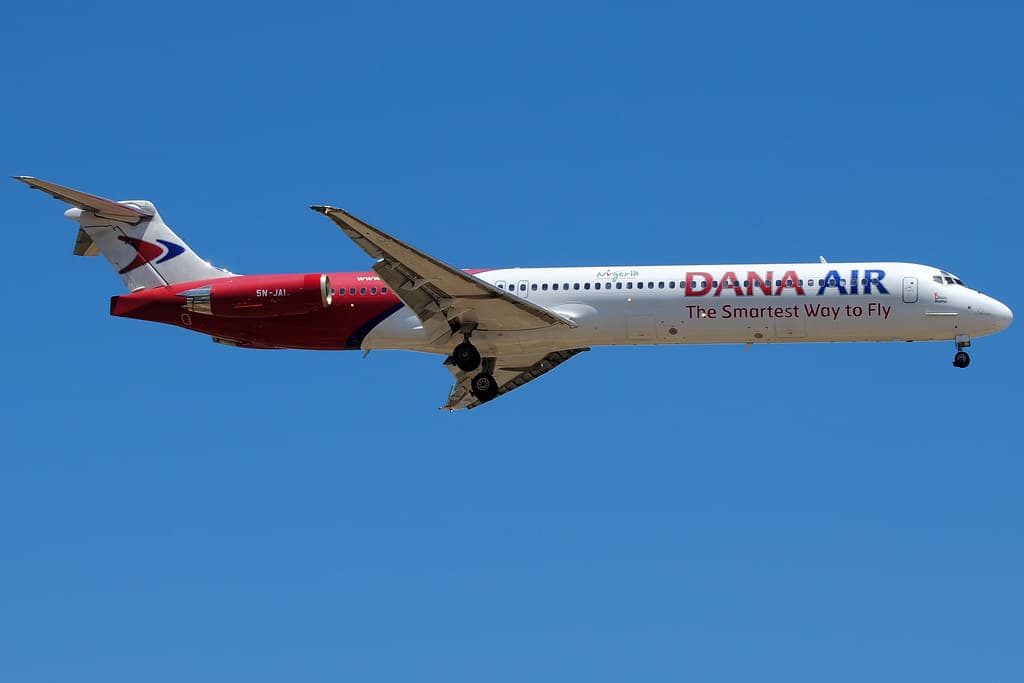
Nigeria’s Decision to Liquidate Dana Air Assets
The Nigerian government is moving forward with the liquidation of Dana Air’s assets as part of a broader strategy to resolve a deepening safety and financial crisis enveloping the carrier. This decisive action comes after the withdrawal of Dana Air’s Air Transport Certificate (CTA) and operating license, highlighting the serious challenges the airline faces in maintaining operational standards and financial stability.
Grounded since April 2024, Dana Air operated a fleet primarily composed of MD-82/83 and Boeing 737 Classic aircraft. The upcoming liquidation of these assets will focus on settling outstanding debts owed to passengers and industry stakeholders, marking a crucial moment for Nigeria’s aviation landscape.
The Impact on Sub-Saharan Aviation and Tourism
The government’s intervention demonstrates heightened regulatory scrutiny aimed at protecting consumer rights and bolstering trust in the travel industry. This move sends a clear message about the importance of accountability and financial responsibility in Nigerian aviation. For tourism and travel professionals across sub-Saharan Africa, airline reliability remains a pivotal factor driving both business confidence and tourist inflows.
📚 You may also like
Historical Challenges in Nigeria’s Aviation Sector
Nigeria’s aviation industry has long grappled with operational hurdles linked to ageing fleets and financial constraints. Dana Air's reliance on older aircraft models exemplifies a common trend among regional airlines balancing the high costs of acquiring modern equipment against the need for cost-effective operations.
While operating legacy aircraft can offer short-term financial relief, it often increases risks related to maintenance issues, safety compliance, and regulatory pressures. Such dynamics have presented persistent challenges for airlines striving to meet evolving international safety and performance benchmarks, which are critical for attracting global travelers and sustaining robust market competition.
Structural and Financial Pressures in African Airlines
- Aging Fleets: Maintaining older planes demands higher upkeep costs and poses challenges to meeting global safety regulations.
- Regulatory Environment: Increasingly stringent rules require significant investment in safety protocols and operational upgrades.
- Financial Sustainability: Limited access to affordable financing constrains fleet modernization and expansion plans.
Wider Implications for African Air Travel and Tourism
The Dana Air case has brought long-standing industry vulnerabilities into sharp focus, reinforcing the need for stronger governance frameworks and collaborative efforts between regulators, carriers, and the travel trade. Crucially, this underscores the vital importance of modernizing fleets and prioritizing safety—elements that directly influence the image and competitiveness of African aviation on the global stage.
Resilience and passenger confidence are essential as regional air travel seeks to support growing intra-African tourism and connect emerging coastal and inland destinations. Transparency in debt resolution and asset liquidation processes will be closely watched, potentially shaping how future airline insolvencies are addressed across the continent.
Lessons from Past Aviation and Tourism Disruptions
Experiences from past crises in global and regional tourism industries demonstrate how financial instability and safety incidents can ripple through connected sectors such as hospitality, transportation, and maritime activities. Making sure that the aviation sector operates under strict safety and financial discipline is key to maintaining steady tourist flows to coastal cities, resorts, and popular lakeside destinations.
Looking Ahead: What the Future Holds
Moving forward, Nigerian aviation will likely see increased efforts to foster sustainable growth through fleet renewal, better regulatory enforcement, and enhanced consumer protections. For operators and travel service providers, choosing reliable airline partners is now more important than ever to ensure seamless connections and customer peace of mind.
As international and domestic tourism rebounds, the aviation segment’s health will continue to influence broader maritime and boating travel options. Tourists who arrive by air often seek complementary experiences on the water—whether through yacht charters along coastal regions, day trips on lakes, or ocean sailing adventures—making integrated transportation and safety standards important for the whole travel value chain.
Table: Challenges and Opportunities in Nigerian Aviation
| Aspect | Challenge | Opportunity |
|---|---|---|
| Fleet Condition | Dependence on ageing aircraft raises safety and maintenance risks. | Modernization could align airlines with international standards and boost traveler confidence. |
| Financial Health | Accumulation of debt affects operational viability. | Asset liquidation funds can reimburse stakeholders and clear debts for a fresh start. |
| Regulatory Compliance | Past non-compliance leads to license withdrawal and operational suspensions. | Stricter enforcement enhances safety and industry credibility. |
Final Thoughts
The liquidation of Dana Air’s assets marks a critical turning point that reflects broader themes in airline sustainability, regulatory oversight, and consumer protection within Nigeria’s aviation sector. While challenging for the carrier's legacy, these developments could lead to safer, more reliable air travel in the country and surrounding region, essential for boosting tourism and business connectivity.
With air travel stability playing a central role in facilitating access to popular marine resorts, boating destinations, and coastal beaches, initiatives that restore confidence in Nigeria’s aviation landscape will naturally support related industries such as yacht chartering and sailing activities.
For those keeping an eye on maritime tourism opportunities linked to air transport hubs and coastal gateways, the evolving situation in Nigeria is a reminder that sustainable travel infrastructure spans multiple modes of transport, from sky to sea.
As the aviation sector recalibrates, the international marketplace for renting sailing boats and yachts will remain an appealing complement for those exploring sun-drenched beaches, clearwaters, and vibrant marinas in African coastal destinations. The service GetBoat.com offers a wide range of yachts, sailing boats, and boating adventures carefully tailored to match every taste and budget, making it an invaluable resource for travelers seeking to enrich their journeys beyond just the flight.


