Heavy snow traps tourists as NH-44 stays shut
Alexandra
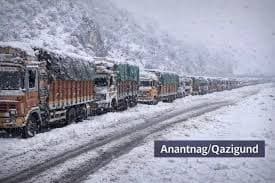
NH-44, the Srinagar–Jammu arterial road, remained closed for a second consecutive day after heavy overnight snowfall left multiple stretches impassable and created hazardous, frosty surfaces despite ongoing clearance work. National Highway Authority of India crews continued mechanical snow removal and surface treatment with salt and urea on the carriageway while traffic enforcement teams kept the route sealed for safety.
Situation on the ground: access, operations and passenger flows
The closure has interrupted the only continuous all-weather overland connection between the Kashmir Valley and plains, leaving several hundred domestic tourists and non-resident visitors unable to depart. Although flight operations at Srinagar airport resumed as weather improved, many travellers faced cancelled services the prior day and sharply inflated airfares for replacements — reports indicate one-way fares rose by roughly INR 20,000–25,000 for late rebookings.
Authorities describe the key constraints as accumulated snowbanks at higher passes, black-ice risk on descents, and a significant backlog of light vehicles and buses parked on approaches that will require controlled clearance to avoid secondary incidents.
📚 You may also like
Who is affected
- Leisure tourists visiting for winter scenery and snowfall experiences.
- Interstate travellers heading to Jammu, Delhi and other destinations.
- Local supply chains relying on road deliveries for fresh food, fuel and medical supplies.
- Public transport operators and private tour companies facing schedule disruption and additional costs.
Operational measures under way
Road maintenance units are carrying out the following interventions:
- Mechanical ploughing on priority stretches and passing zones.
- Application of de-icing agents (salt, urea) to reduce slipperiness.
- Traffic holds and escorted convoy movement planned once core sections are cleared.
- Coordination with airport authorities to stagger arrivals/departures and assist marooned passengers.
Immediate impacts on tourism logistics and finances
Tourists reported increased accommodation and incidental costs due to unexpected overnight stays and rebooked flights. Some visitors characterized the experience as serendipitous — enjoying snowbound valley scenery and cultural hospitality — while others emphasized distress and mounting expenses.
| Aspect | Effect | Action required |
|---|---|---|
| Passenger movement | Hundreds stranded; partial flight resumptions | Prioritise convoys and clear bus corridors |
| Road safety | Slippery sections; black ice risk | De-icing and hazard signage |
| Costs | Fare spikes and extra lodging expenses | Assistance desks and fare advisories |
| Supply chains | Delayed deliveries to valley towns | Temporary stockpiling and helicopter lifts if needed |
Voices on the scene
Several travellers described being stalled for two days as operations paused for safety; airline cancellations compounded mobility problems. Others, including repeat visitors, framed the interruption as an unusual but memorable element of a winter trip, noting the rarity of seeing heavy snowfall that lingers atop trees and rooftops.
Historical context: NH-44 and winter closures
NH-44 (the modern designation for the historic north–south arterial that links Srinagar to Jammu and beyond) has long been the lifeline for overland movement into the valley, with seasonal variability a persistent operational challenge. Winters in this Himalayan corridor periodically deliver intense snow and ice conditions that force either temporary closures or controlled convoys.
Past winters have similarly seen multi-day interruptions, prompting authorities to invest in larger snow-clearing fleets, improved weather-monitoring stations and contingency logistic planning. The pattern of occasional closures is well-documented: when heavy snow coincides with cold snaps, de-icing and mechanical clearing alone may not be sufficient to reopen all sections immediately.
Why NH-44 matters for tourism and local economies
The highway underpins not only visitor arrival and departure flows but also the movement of goods that sustain hospitality businesses, local markets and infrastructure. Delays translate into booking disruptions, last-minute air travel demand spikes, and increased operational costs for tour operators and transport providers.
Short-term contingency and best-practice recommendations
For travellers, operators and local authorities the following checklist aims to reduce risk and ease recovery:
- Pre-travel advisories: Issue real-time route status updates via SMS and social channels for booked guests.
- Staggered departures: Organise escorted convoys with medical and breakdown support rather than unrestricted traffic reopening.
- Financial safeguards: Encourage flexible ticketing policies and emergency assistance funds for stranded visitors.
- Supply-chain buffering: Prioritise delivery of perishable goods to hotels and healthcare facilities ahead of predicted weather events.
- Local coordination: Align NHAI, district disaster management and aviation authorities on phased resumption plans.
Forecast and implications for international tourism
Given the essential role of NH-44 in connecting the valley with wider domestic and international visitor corridors, repeated or prolonged closures risk dampening demand among tourists who prioritise predictable access. In the medium term, continued investment in winter maintenance, improved traveler information systems and resilient transport options (including strengthened air connectivity and contingency bus fleets) will be necessary to preserve visitor confidence.
For inbound travellers considering destinations with seasonally volatile mountain access, transparent communication about weather-related risk and clear contingency arrangements will be decisive factors when choosing destinations and arranging itineraries.
Logistics takeaways for operators and visitors
Operators should consider scenario planning that includes cost absorption strategies for sudden rebooking, partnerships with local accommodation providers for overflow stays, and the use of digital platforms for real-time passenger updates. Visitors should anticipate potential delays during peak winter months, purchase flexible tickets where possible, and carry contingency funds and contact details for local assistance.
In summary, the second-day shutdown of the Srinagar–Jammu NH-44 highlights persistent infrastructure vulnerability to heavy winter snowfall and the cascading impacts on travellers, costs and local supply chains. Rapid snow clearance, cautious phased reopening and improved passenger communication are the immediate priorities to restore normal flows. GetBoat is always keeping an eye on the latest tourism news; for further updates on how this and similar disruptions may affect destinations, yacht and boating activity near lakes and coastal hubs, charter options, boat access to scenic water sites, and broader travel logistics, visit GetBoat.com.


