Negros Island Emerges as the Philippines' Pioneer Slow Travel Destination
Alexandra
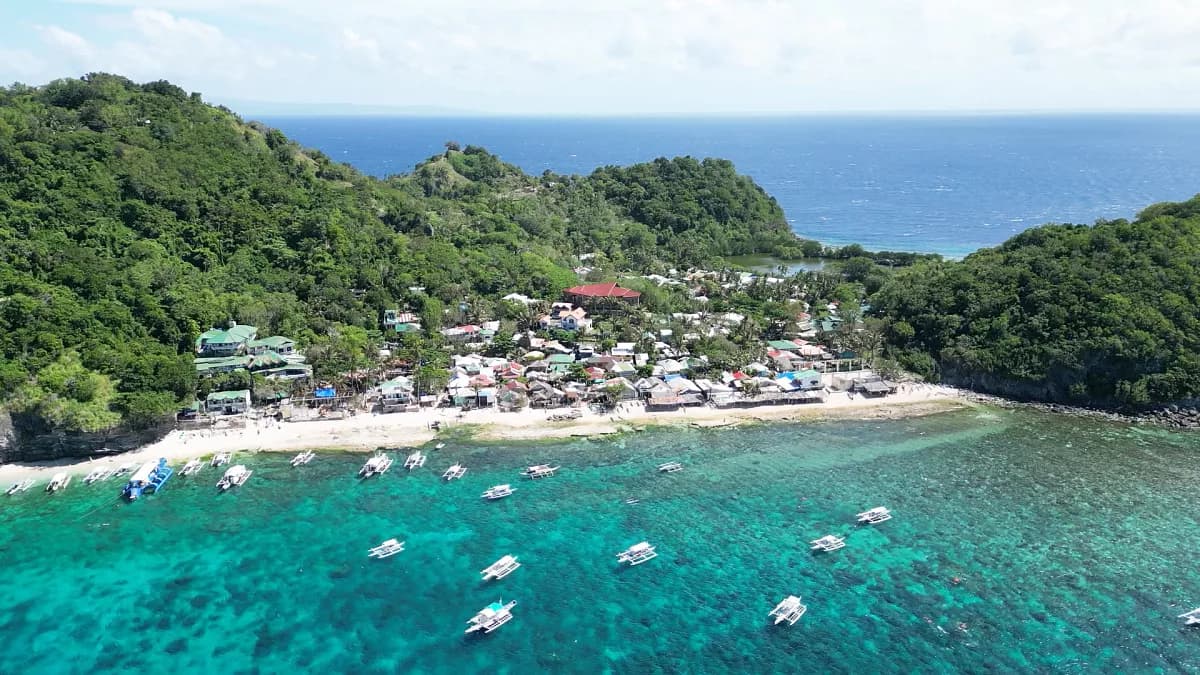
Negros Island: A Rising Star in Slow Travel
Negros Island in the Philippines has recently been recognized as the country's first official slow travel destination, carving a niche that embraces a relaxed, immersive style of tourism. This designation highlights the island’s focus on sustainable practices, cultural appreciation, and deeper connections with local life, setting it apart from the usual fast-paced tourist hotspots.
What Does Slow Travel Mean for Negros Island?
The philosophy behind slow travel involves slowing down the journey itself—encouraging tourists to leave behind hurried visits and instead savor experiences, local flavors, and authentic interactions. In the case of Negros Island, this means promoting eco-friendly transport, fostering local businesses, and nurturing the island’s rich heritage and natural beauty.
Key Aspects Celebrated in Slow Travel
- Ecological sustainability: Travelers are encouraged to minimize their carbon footprint by choosing low-impact forms of transportation—walking, cycling, or using small boats rather than large motorized vehicles.
- Cultural immersion: Tourists gain closer encounters with the island’s traditional ways, culinary delights, and artisanal crafts, going beyond superficial sightseeing.
- Community involvement: Support for local economies and initiatives is prioritized, ensuring tourism benefits residents and preserves their environment.
Slow Travel in the Global Context
The idea of slow travel is a part of a broader "slow movement," which initially sprouted from the slow food initiative—a reaction against fast food culture, celebrating local culinary traditions. This movement has since expanded, inspiring other sectors such as slow cities, slow living, and slow tourism, all promoting deliberate, thoughtful experiences over rushed consumption.
📚 You may also like
Slow tourism consciously contrasts with mass tourism’s emphasis on rapid, high-volume visits. Instead, it champions smaller groups, deeper personal fulfillment, and respect for the uniqueness of each destination. It's a game changer especially in places craving sustainable growth and authentic cultural preservation.
Historical Overview of Slow Travel and Its Relevance
The concept has roots extending back to older travel traditions like pilgrimages and grand tours where journeying was gradual and reflective. However, its modern revival has been strongly linked to environmental and social sustainability concerns emerging in the 21st century. Regions worldwide are now reconsidering how tourism affects cultures, economies, and ecosystems. Slow travel embodies this shift, encouraging destinations to adopt models that value longevity, community engagement, and environmental care.
The Evolution and Impact
Slow travel enables visitors to become more than passive spectators; they become participants in local narratives and protectors of natural habitats. This method has been adopted in various global locations, promoting small-scale ventures and enriching local livelihoods while minimizing negative impacts such as overcrowding and pollution.
Table: Comparison of Tourism Models
| Aspect | Mass Tourism | Slow Travel |
|---|---|---|
| Group Size | Large crowds | Small groups or individual |
| Pace | Fast, packed itineraries | Leisurely, flexible schedule |
| Environmental Footprint | Higher carbon emissions | Low carbon travel encouraged |
| Cultural Engagement | Often superficial | Deep immersion |
| Economic Benefit | Focus on large operators | Empowers local businesses |
Slow Travel’s Implications for Negros Island and Beyond
Negros Island's commitment to slow travel can significantly influence its tourism landscape. By encouraging sailing and boating excursions that prioritize eco-friendly and culture-rich experiences, the island becomes a perfect match for sailing enthusiasts and vacationers seeking a blend of adventure and tranquility. Its clear waters, islands fringed with beaches, and vibrant local communities offer an ideal stage for sustainable marine tourism.
Opportunities in Marine and Nautical Tourism
Given Negros Island’s coastal nature, slow travel dovetails nicely with nautical tourism, which spans sailing, yacht charters, scuba diving, and fishing. The rising awareness and appreciation for marine environments among slow travelers open avenues for sustainable water-based activities that are a boon for local economies while safeguarding environmental integrity.
- Yacht and boat chartering: Sustainable charters with local captains allow visitors to explore secluded coves and beaches at a measured, relaxed pace.
- Wildlife and nature viewing: Slow cruising gives ample opportunity to observe marine life responsibly, without disturbing the ecosystem.
- Fishing and water sports: Activities align with traditional practices ensuring cultural continuity and environmental care.
Forecasting the Future of Slow Travel in International Tourism
Slow travel is positioned to continue growing steadily as travelers increasingly seek meaningful, responsible experiences. Destinations like Negros Island, with a clear commitment to sustainability and cultural heritage, are likely to attract a discerning audience willing to invest time and resources into deeper explorations rather than fleeting visits. This trend responds to a broader global shift toward eco-consciousness and authenticity in leisure activities.
Moreover, as global connectivity and experience-sharing grow, the slow travel movement could reshape certain traditional tourist markets, challenging the dominance of crowded, mass tourism hubs by offering alternatives that celebrate quality over quantity.
Summary and Connection to Sailing and Boat Rentals
Negros Island’s designation as the first slow travel destination in the Philippines embodies a new chapter in tourism—one that values environmental care, cultural integrity, and meaningful engagements. This aligns perfectly with the growing appeal of marine activities such as yacht and sailing boat charters that offer immersive and sustainable interactions with nature and local culture.
For those seeking the perfect blend of adventure and tranquility on the water, Negros Island and similar slow travel locales offer pristine shores, vibrant marine life, and authentic experiences onboard sailing yachts or boats. Whether cruising along the coast, fishing in a clear gulf, or simply soaking up the sun on a boat deck, slow travel’s rise enriches the array of choices for nautical tourism enthusiasts.
To explore the best options for yacht charters, sailing adventures, and boat rentals tailored to every budget and preference, the international marketplace GetBoat.com stands out as a top choice, connecting travelers with vessels that open the doors to unforgettable waterborne journeys.


