Essential Boat Lights for After-Dark Boating
Alexandra
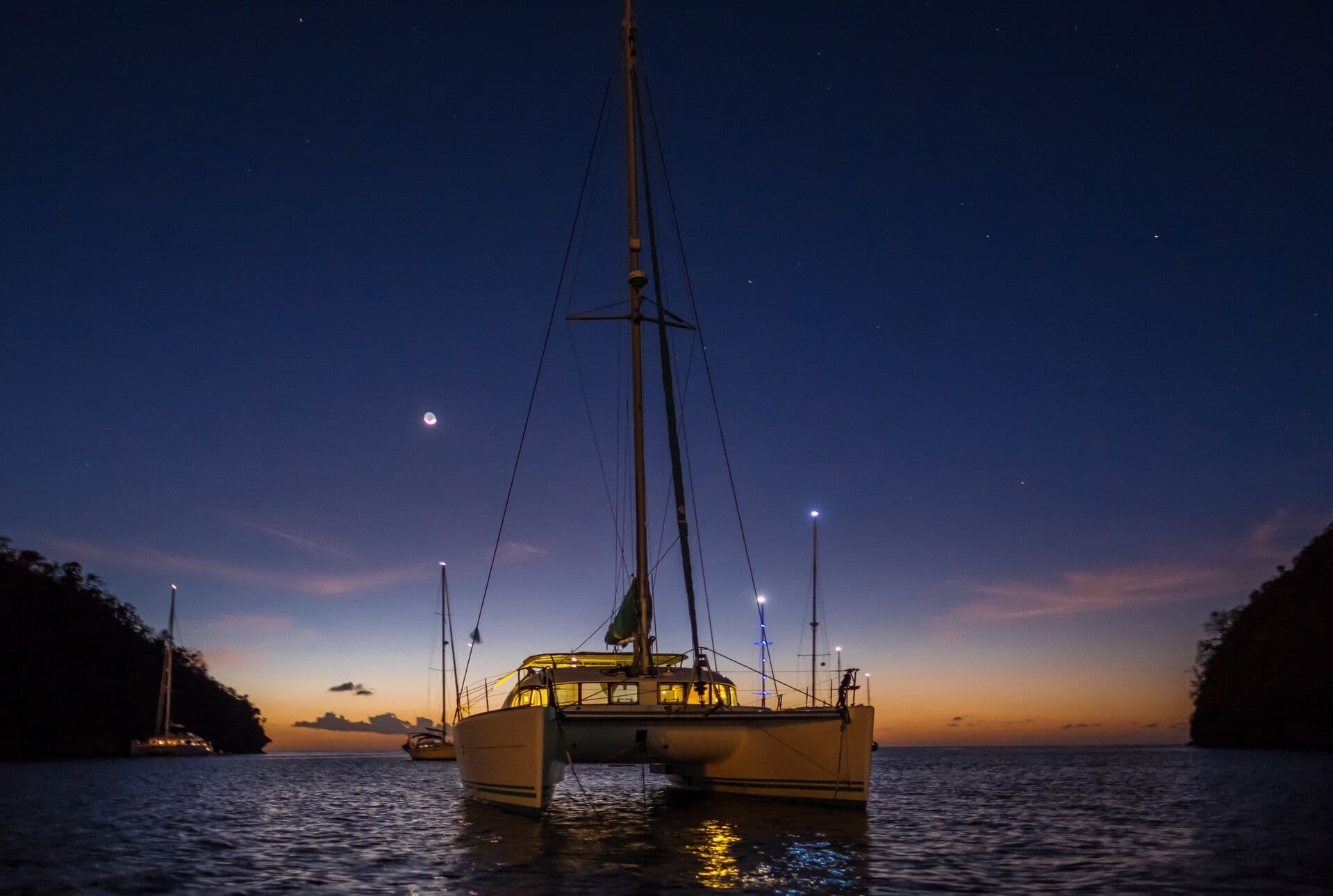
Between sunset and sunrise, vessels underway must exhibit red (port) and green (starboard) sidelights plus a white stern light visible from astern; power-driven craft also need a masthead light or, on some small craft, an all-round white light that replaces separate masthead and stern lamps.
Required Navigation Lights at Night
Navigation lights indicate a vessel’s position and movement relative to others. The standard configuration used on most lakes, gulfs, and coastal waters includes:
- Sidelights: Red to port (left) and green to starboard (right) to show heading.
- Stern light: White light at the stern that shows the vessel from behind.
- Masthead light: White light forward on power-driven vessels visible from ahead and to the sides.
- All-round white light: Used by many small craft and sailboats as a single combined light visible 360°.
These lights are required when underway and in restricted visibility; improper colors or placement can lead to confusion and fines. In short, get the colors and sightlines right—better safe than sorry.
📚 You may also like
Anchor and Special-Use Lights
When anchored, a vessel must show a white anchor light visible 360 degrees to let other craft know it is stationary. That light should not be used while underway; mixing anchor and navigation lights risks miscommunication.
Special operations—like towing or law-enforcement patrols—use additional approved lights (towing lights, flashing blue/amber for enforcement). Make sure those are only used for their intended purposes.
Vessel-Specific Requirements
| Vessel Type | Typical Required Lights |
|---|---|
| Power-driven (>12 m / large yachts) | Masthead, sidelights, stern light |
| Sailboats under power | Masthead, sidelights, stern light or tricolor/all-round |
| Small non-powered craft | All-round white light or handheld torch/lantern when required |
| At anchor | All-round white anchor light visible 360° |
Common Mistakes and How They Impact Rentals
On private charters and rental boats, the most frequent mistakes are wrong color placement, blocked lenses, and weak bulbs. For GetBoat.com hosts and renters alike, this is not just a safety detail — noncompliant lighting can void insurance or result in enforcement action during a rental.
- Mounting lights too low or behind obstructions—reduces visibility.
- Mixing anchor light with underway lights—creates false signals.
- Using dim or mismatched bulbs—other skippers can’t read your intent.
- Not carrying spares—simple bulb failures happen; be ready.
Maintenance, Pre-Departure Checks, and Practical Tips
Regular maintenance keeps you visible and legal. Before casting off, run this quick lighting checklist:
Quick pre-departure lighting checklist
- Test sidelights for correct color and angle.
- Confirm the stern light is centered and unobstructed.
- Verify masthead or all-round white light functions if applicable.
- Carry spare bulbs, fuses, and a small tools kit.
- Clean lenses and trim any canvas or rails that block light arcs.
If you manage a charter fleet or list a boat for rent, incorporate a lighting test into your post-clean checklist. I once joined a sunset charter where the stern lamp was clouded by salt haze—simple cleaning solved it, but that captain remembered to replace the lamp the next day. Little things like that keep trips smooth sailing.
Regulatory Notes and Education
Rules for lighting vary by jurisdiction, and some states or countries have specific requirements for brightness, mounting height, and certification. Operators who rent or charter vessels should ensure compliance and consider boater education through courses like Boat-Ed to cover local rules and testing requirements.
Wrap-up and Key Takeaways
In short: display red and green sidelights plus the appropriate white lights between sunset and sunrise, use a 360° anchor light when stationary, and only employ special lights for their intended tasks. For those involved in yacht charter, boat rental, or crewed superyacht operations, routine checks and spares are non-negotiable. Proper lighting protects life, avoids fines, and keeps charters, boat sales, and rental reputations intact—so whether you're heading to the beach, a gulf anchorage, a lake, or open ocean, keep your lights in order for safer sailing and better yachting experiences.
Summary: Maintain compliant navigation and anchor lighting on every vessel—whether a small boat for fishing or a large superyacht—to ensure safe boating, successful charters and rentals, happy captains and guests, and smooth activity on marinas, clearwater bays, beaches and Destinations across the sea and ocean.