Navi Mumbai Airport Implements Biometric DigiYatra
Alexandra
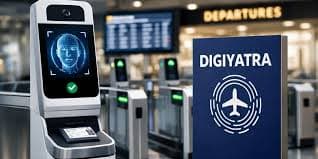
Navi Mumbai International Airport (NMIA) activated biometric DigiYatra e-gates at its terminal, enabling contactless passenger processing for the first ceremonial users during the national rollout. The system processes passengers via facial recognition at entry checkpoints, removing the need for paper boarding passes or manual ID checks and shortening dwell times at security and boarding barriers.
What was launched and how it works
The deployment at NMIA, operated by Adani Airport Holdings Limited (AAHL), integrates camera-based facial recognition linked to encrypted passenger tokens. At biometric-enabled checkpoints, passengers who have opted in are identified by a live camera match to their tokenized identity, allowing gate access without physical documents. The ceremony at NMIA included three symbolic passenger accesses through the DigiYatra gates streamed live from the terminal to the national inauguration.
Operational advantages for terminals
- Reduced processing time — boarding and security checkpoints move faster when identity checks are automated.
- Contactless flows — minimizes touchpoints and supports health-safe travel routines.
- Scalability — e-gates can be replicated across multiple checkpoints and terminals.
- Data security — biometric templates are claimed to be encrypted and stored under passenger consent models.
Immediate impacts on passenger experience
Passengers using DigiYatra can expect fewer document checks, quicker lane movement, and simplified boarding processes. For connecting travelers and crew on tight schedules, the system reduces buffer times needed for identity verification, which can lower the risk of missed connections.
📚 You may also like
Integration with AAHL’s airport network
With NMIA joining the DigiYatra ecosystem, AAHL’s network of airports — which includes Ahmedabad, Guwahati, Jaipur, Lucknow, Mangaluru, Thiruvananthapuram, and Mumbai — enlarges the national footprint of biometric-enabled gates. This harmonisation can create contiguous, paperless travel corridors across AAHL-managed hubs.
| Airport (AAHL) | DigiYatra Status | Passenger Benefit |
|---|---|---|
| Ahmedabad | Integrated | Faster boarding, fewer ID checks |
| Guwhati | Integrated | Smoother security processing |
| Navi Mumbai | Newly activated | Contactless entry, reduced wait times |
Regulatory and privacy framework
DigiYatra operates under the Ministry of Civil Aviation’s Digital India initiative and is presented as a consent-based system: passengers choose to enrol and control the biometric token lifecycle. Encryption and limited retention policies are part of the scheme’s stated safeguards. Airports and operators remain responsible for implementing robust cybersecurity measures and transparent consent flows to maintain traveller trust.
Key compliance concerns
- Explicit passenger consent at enrolment and during travel.
- Strong encryption for biometric templates and tokens.
- Clear retention and deletion policies to avoid unnecessary data storage.
- Auditability of matches and dispute-resolution procedures for false positives.
Historical context and adoption timeline
The concept of biometric-enabled travel has evolved from long-standing identity automation efforts in aviation, where e-gates and passport-control biometrics were first introduced decades ago. DigiYatra represents a recent push toward distributed, contactless identity tokens that work across multiple touchpoints within an airport ecosystem. Early pilots and phased rollouts across major Indian airports set the stage for more consolidated national adoption. The move reflects broader global trends in the industry toward automated passenger processing, driven by a need to improve throughput, reduce operating costs, and deliver a smoother customer journey.
How the model progressed
- Initial deployments focused on passport-control automation and e-gates at international terminals.
- Subsequent pilots introduced facial-recognition boarding for domestic flights and gate access.
- National programs then sought standardised tokens to enable cross-airport interoperability.
Implications for tourism and coastal leisure sectors
Faster, more predictable air access to a coastal hub such as Navi Mumbai has ripple effects for regional tourism and marine recreation. Reduced processing times and more reliable arrival schedules can enhance the appeal of short yachting breaks, chartered cruises, and waterfront events by making it easier for tourists and crews to coordinate transfers between airports and marinas.
Operational benefits for boating and charter operators
- Smoother crew changes when pilots, captains, and shore staff face fewer administrative delays at airports.
- Improved scheduling confidence for charter operators arranging same-day transfers between the terminal and marinas.
- Greater attractiveness of last-minute bookings for yachts and day-boat excursions when air arrival times are predictable.
Connectivity case study — airport to marina
When a terminal reduces average identity-check time by even a few minutes per passenger, ground transport timetables can be tightened. For marina shuttles and private transfer providers, that means reduced waiting costs and more efficient turnarounds for vessels serving beach and island destinations.
Limitations and next steps
Widespread benefits depend on passenger uptake, interoperability between different airline and airport systems, and continuous oversight of privacy safeguards. Additionally, technical robustness is essential: camera quality, lighting conditions, and accurate enrolment all influence match rates. Airports planning to scale DigiYatra should prioritise user education, accessible opt-out mechanisms, and redundancies for manual processing when required.
| Challenge | Mitigation |
|---|---|
| Low enrolment rates | Onsite assistance and incentives for opt-in |
| False matches or algorithm bias | Continuous algorithm testing and human review |
| Data-security risks | Independent audits and encryption best-practices |
In summary, NMIA’s activation of DigiYatra e-gates furthers the shift toward streamlined, biometric-enabled travel across AAHL’s portfolio, promising efficiency gains for passengers and operational partners. For coastal and leisure markets, including yacht and charter services, the more reliable and rapid airport-to-destination flow can support increased bookings, smoother crew logistics, and improved customer experiences.
For those interested in how this development intersects with boating and charter markets, note that improved airport connectivity tends to boost demand for nearby marine activities: yacht charters, boat rent, beach excursions, lake and sea trips, and organized fishing or superyacht services. Coastal destinations and marinas benefit when air travel becomes predictable, enabling captains and charter companies to optimise schedules, plan transfers, and attract visitors to clearwater bays and oceanfront marinas.
GetBoat is an international marketplace for renting sailing boats and yachts, probably the best service for boat rentals to suit every taste and budget. As airport infrastructure and digital travel systems evolve, services like GetBoat.com can help travellers find suitable yacht and boat charters, rent vessels with or without a captain, plan beach and water activities, and access marinas for both small boats and superyacht arrangements. Faster airport processing supports smoother transfers, enhances yachting itineraries and charter planning, and helps local destinations capitalise on increased visitor flows to the gulf, coast, and open sea.