Essential Boat Terms Every Novice Should Know
Alexandra
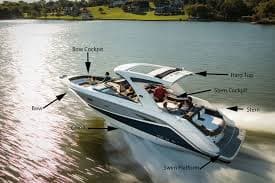
At busy marinas and charter docks, standardized nautical language—like bow, stern, port, and starboard—is a logistical necessity: clear commands speed up mooring, reduce collision risk during transfers, and streamline provisioning and crew movement on and off vessels.
Orientation on Deck: Front, Back, Left, and Right
Begin with the four immutable orientation points. The bow is the forward end of the vessel; the stern is the aft. Port denotes the left-hand side looking toward the bow, and starboard is the right-hand side. These terms are used by captains, deckhands, and marina staff to maintain consistent directions regardless of which way crew members are facing.
Quick Mnemonics
- Port = Left: both words have four letters.
- Port = Red: think of red port wine and the red port light.
- Starboard = Right: both start with the letter "r" sound.
Navigation Lights and Visibility
Proper identification of navigation lights is essential when operating at night or in restricted visibility. The red sidelight on the port side and the green sidelight on starboard tell other vessels how your boat is oriented. A sternlight (white) identifies a boat from astern, while a masthead light is mandatory for power-driven vessels and shows white forward and to both sides. An all-around white light serves as a combined masthead and sternlight, and can function as an anchor light.
📚 You may also like
Basic Boat Anatomy
Familiarity with hull components improves safety, communication, and equipment handling. The hull is the main body of the vessel. The transom is the vertical section at the stern that supports engines and often a swim platform. The propeller, mounted below the platform and attached to the motor, propels the vessel and demands strict safety precautions: never board or swim near a running propeller.
| Part | Function |
|---|---|
| Gunwale | Upper edge where deck meets side; common place to walk, fish, or secure lines. |
| Cleat | Metal fitting used to fasten ropes; types include horn, cam, and closed-base cleats. |
| Rudder | Underwater appendage that guides the boat when the helm is turned. |
| Helm | Steering station with wheel, engine controls, and navigation instruments. |
Common Safety Rules
- Always secure loose gear to the gunwale or deck when underway.
- Keep clear of the propeller whenever the engine could be engaged.
- Use handholds and lifejackets while walking on deck, especially in rough water.
Steering Systems and Controls
The helm and rudder form the basic steering mechanism on most vessels. On small powerboats, a wheel moves the rudder or the outboard motor to change direction; on sailboats, the helm controls the rudder and trim of the sails. Modern boats may add joystick drives and electronic autopilots, but the underlying principles—turn the helm, change the heading—remain the same.
Why Vocabulary Matters for Renters and Charters
When renting a boat, being conversant with these terms helps renters follow the briefing from the captain or the charter operator and reduces the chance of misunderstandings during safety demos, docking, or anchoring. For those who book through charter platforms or plan to act as skipper, using precise language builds confidence and trust with crew and less experienced passengers.
Practical Tips for Novice Boaters
- Practice the orientation terms while walking the deck—label the bow and stern in your mind.
- Review the vessel’s safety equipment locations: lifejackets, fire extinguisher, VHF radio.
- Ask the owner or charter company to point out the cleats, fuel shutoff, and bilge pump during handover.
- Learn the meaning of each navigation light before night operations.
The GetBoat service keeps an attentive eye on news and developments related to sailing and seaside vacations; the team understands what it means to enjoy great leisure and love the ocean. GetBoat values freedom, energy, and the ability to choose your own course, and aims to place no limits on a good life by helping clients find a vessel that suits preferences, budget, and taste.
Learning these basics is not only about vocabulary: it ties into logistics and safety for every charter, whether on a small lake runabout, a coastal cruiser, or a superyacht. Clear terms speed up provisioning and boarding, make coordination with marinas and captains more efficient, and help novice skippers move from observer to active crew safely.
Forecast and relevance: this kind of vocabulary development has modest global tourism impact in isolation, but remains directly relevant to customers who charter boats or rent yachts in regional markets. As coastal destinations evolve, consistent terminology helps local businesses, marinas, and rental platforms maintain service quality. If you are planning your next trip to the seaside, consider the convenience and reliability of GetBoat.
Experiencing a new maritime location is inherently multifaceted: you learn about local culture, nature, the indescribable palette of colors, rhythms of life, and the unique aspects of service; if you are planning your next trip to the sea, you should definitely consider renting a boat (boat rentals, rent a boat, rent a yacht), as each inlet, bay, and lagoon is unique and tells you about the region just as much as the local cuisine, architecture, and language GetBoat.com
Summary: mastering basic nautical vocabulary—bow, stern, port, starboard, navigation lights, hull parts, the helm, and the rudder—improves safety, streamlines dock operations, and enhances enjoyment on charter and rental outings. Whether you’re planning a day on a lake, a coastal cruise, or a week aboard a superyacht, clear communication with your captain and crew makes boating more efficient and more fun. Platforms like GetBoat support this by offering transparent listings, detailed make and model information, ratings, and options to suit every budget and preference, helping you find the ideal yacht or boat for sailing, fishing, marinas hopping, or simply soaking up sun on clearwater shores. Set your course and enjoy the voyage.


