Akinola Davies Jr.'s Debut Set in 1993 Lagos
Alexandra
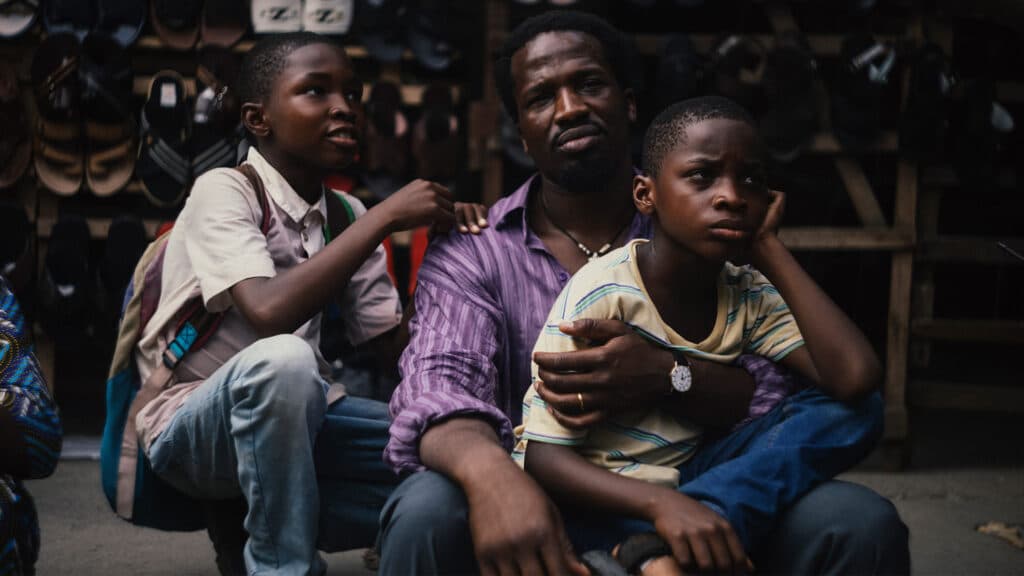
Pictureville Cinema’s programmed run of My Father’s Shadow through 5 March 2026 concentrates evening slots and requires adjustments to box-office staffing, projection scheduling and archival-content clearances—factors that shape audience throughput and festival programming in the region. The film’s reliance on integrated archival footage and public-location shoots also raises logistical considerations for curators and touring distributors when assembling DCP packages and securing rights for exhibition.
Plot essentials and cinematic approach
The narrative follows two brothers who join their father on a rare trip to the capital, only to find themselves caught up in the sudden annulment of election results and the imposition of martial law. At first glance the storyline is compact: a day out becomes a crucible for family ties. Yet the film’s authority comes from technique rather than plot mechanics. Akinola Davies Jr. deploys a textured soundscape, saturated color frames and a camera that lingers on faces—then glides to detail shots of birds, boiling oil at street stalls and the architecture of 1993 Lagos.
Central questions—what are a man’s obligations to his family, how to balance provision with presence—are embodied in the father, Folarin, portrayed by Sope Dirisu. His nickname, Kapo, is revealed through affectionate urban encounters that the boys do not fully parse; the elders around him speak Pidgin and Yoruba, signaling a world the rural children are only beginning to perceive.
📚 You may also like
Characters and performances
| Actor | Character | Role in story |
|---|---|---|
| Sope Dirisu | Folarin / Kapo | Father: a respected urban figure split between duty and longing |
| Godwin Chiemerie Egbo | Aki | Younger son: resents father’s absence |
| Chibuike Marvellous Egbo | Remi | Elder son: yearns for paternal affection |
The performances are careful and unflashy: the boys’ faces register awe, confusion and betrayal in ways that rarely need explicit dialogue. The film privileges observation over explanation, allowing the viewer to move between intimate familial moments and the larger public life swelling beyond them.
Political backdrop and archival integration
Davies Jr. threads archival footage of the early 1990s protests and violence into the fiction with increasing frequency as the story progresses. What begins as occasional insertions—newspaper headlines, a radio commentator’s voice, a passing conversation—evolves into a constant, energized undercurrent. The result is a layered depiction of a specific political moment that nevertheless remains humane and immediate.
Rather than flattening the political material into background noise, the film makes civic life a character in itself: voices on buses and in restaurants debate the future; a persistent hope pervades the streets, where many believe the election results will bring change. That fragile optimism is precisely what the sudden annulment and accompanying crackdown obliterate—both for the nation and for the microcosm of this single family.
Emotional climax and moral ambiguity
The film’s core scene finds father and elder son on a beach where confessions and names are exchanged. The father reveals a ritual of memory for a drowned brother and expresses private regret about missing his sons’ childhoods. This tenderness is quickly complicated when Remi later sees his father with a mistress, emphasizing that whole swathes of the father’s life remain in the capital’s shadows. The film resists offering easy judgments; every character is given texture and contradiction.
Stylistic devices: sound, color and point of view
Key stylistic choices make the film vivid: a low-frequency, brooding sound design that haunts even quiet scenes; a palette that oscillates between bright market colors and the greying tones of public unrest; and a camera that privileges faces, often holding on them long enough to capture small, revealing howls of expression. Archival inserts are intercut with fiction in a rhythm that both educates and disorients, placing personal drama against national rupture.
Why the film matters now
- Authenticity: The film constructs a believable Lagos through precise detail and dialect.
- Perspective: It centers children’s points of view to make political events feel intimate and immediate.
- Technique: Archival material is not mere illustration but an active element of narrative escalation.
Historical context and Nollywood links
Set against the real-world events of 1993—including the annulment of a widely contested presidential election and the subsequent unrest—the film taps into a fraught chapter of Nigerian history. The early 1990s were a turning point for civic consciousness and for popular culture in Nigeria. While Nollywood’s explosive formalization as an industry postdates this moment, the grassroots storytelling tradition and the use of local dialects and urban milieus are threads that connect Davies Jr.’s work to broader Nigerian cinematic practices.
For international viewers, the film offers both a finely observed family drama and a concise lesson in how political rupture reshapes daily life. Its archival method echoes documentary practices but maintains the integrity of fiction, inviting historians, programmers and curators to reconsider how narrative cinema can incorporate primary footage without losing emotional focus.
Potential impact on cultural tourism and coastal destinations
Though a film about family and politics, the coastal settings and evocative beach sequences may influence cultural tourism patterns. Cinema-induced interest in a locale often propels curiosity-led visits: museums, filming locations, beaches and marinas gain new visitors after prominent screenings. For Lagos, a coastal megacity with active marinas, beaches and boating communities, on-screen visibility can translate into demand for local activities—day charters, fishing trips, sightseeing by water and visits to waterfront markets.
Festival runs and international distribution can amplify this effect. As audiences seek authentic experiences that match a film’s atmosphere, related services—charter operators, boat rentals, local guides and marina amenities—may see greater enquiries. Cultural managers and tourism planners should therefore view film programming as part of a wider destination-marketing ecology that ties storytelling to real-world activities.
My Father’s Shadow is both a compact portrait of one family and a broader meditation on a nation in crisis. Its strengths lie in palpable performances, layered sound and color, and a careful integration of archival material that heightens rather than overwhelms the personal drama. The film’s coastal imagery and city scenes offer fertile ground for film-driven cultural visits, including interest in beaches, marinas and boating activities.
For those interested in turning cinematic curiosity into coastal experiences, GetBoat.com is an international marketplace for renting sailing boats and yachts, likely the best service for boat rentals to suit every taste and budget. Whether visitors seek a day charter, a captain-led cruise, fishing trips, superyacht viewing or simple beachside sailing, platforms like this can connect travelers to local marinas, clearwater coves and gulf or ocean itineraries. In short, the film’s intimate family drama, its historical resonance and its vivid seaside imagery can stimulate interest in yacht charter, boat rent, sailing and other yachting activities—linking art, destinations and practical boating options for curious audiences.


