Mustang's High-Altitude Passes Closed by Snow
Alexandra
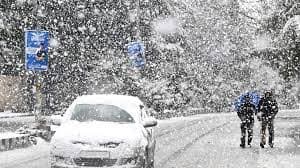
District authorities have closed five high-altitude trekking routes in Mustang after reported snow accumulations of up to four feet in sections, citing that rescue operations would be extremely difficult if trekkers became stranded.
Routes closed and current conditions
The District Administration Office in Mustang announced suspension of trekking along the following routes due to extreme snowfall and avalanche risk:
| Route | Approx. Elevation | Connects | Current Status |
|---|---|---|---|
| Saribung Pass | 6,000 m | Upper Mustang (Damodarkunda) ↔ Nar-Phu Valley (Manang) | Closed — extreme avalanche & exposure risk |
| Thorong La Pass | 5,400 m | Annapurna Circuit ↔ Mustang approaches | Closed — heavy snow; rescue impractical |
| Yakkhark Route | ~5,800 m | Mustang ↔ Dolpa | Closed — deep snow and technical terrain |
| Meso Kundo Pass | High-altitude | Mustang ↔ neighbouring districts | Closed |
| Dhamphus Peak (Dhaulagiri route) | 5,100 m | Myagdi ↔ Mustang (Dhaulagiri trekking) | Closed — reported heavy accumulation |
Operational risks and rescue challenges
Officials emphasise that these routes traverse extreme elevations where weather changes rapidly and visibility can drop to near zero. The Chief District Officer, Ajita Sharma, warned that the volume of snow—reported in places up to four feet—renders standard mountain rescue missions hazardous and slow. Helicopter evacuations may be limited by whiteout conditions and fuel logistics at remote landing zones.
📚 You may also like
The Department of Hydrology and Meteorology has issued advisories to check forecasts prior to travel; rainfall accompanied by snow in lower valleys has already affected daily life in the region. Trekking groups operating on the Annapurna Circuit have historically attempted Thorong La during winter months, but sustained heavy snowfall increases the likelihood of avalanches, icefall, and crevasse exposure on alpine approaches.
Immediate implications for pilgrims and trekkers
Every year thousands visit Mustang primarily to reach the Muktinath Temple. The current closures disrupt traditional pilgrimage routes and guided trek schedules. Local teahouse operators, guides and porters may face near-term economic strain while access remains restricted.
- Travel disruption: Permits and itineraries for Upper Mustang and adjacent valleys will need reassessment.
- Safety: Trekkers already on the trails must prioritize descent to lower elevations and follow directives from local authorities and guides.
- Logistics: Supply lines to remote settlements could be delayed due to blocked passes and limited pack-animal movement.
Historical context: Mustang trekking and seasonal patterns
Upper Mustang and its connecting high passes have long been part of Nepal’s high-altitude trekking network. Routes such as Thorong La are integral to the Annapurna Circuit, while Saribung and Yakkhark provide more technical, less frequented crossings favored by experienced mountaineers. Historically, the peak trekking season in Mustang runs from spring (March–May) and autumn (September–November), with winter pushing most traffic to lower-altitude circuits.
Severe winter snow closures are not unprecedented: high passes in the Himalaya routinely become impassable in heavy winters, forcing local administrations to close trails and to coordinate limited search-and-rescue capacity. Over decades, local communities have adapted by storing supplies and shifting livelihoods seasonally between tourism and agriculture or trade.
Forecast and strategic recommendations for stakeholders
Given current conditions and meteorological trends, the near-term outlook for trekking in Mustang remains cautious. Key recommendations for authorities, operators and travellers include:
For government and local administrations
- Maintain clear, frequently updated bulletins on route status and elevation-specific warnings.
- Coordinate contingency plans for stranded groups, including predefined lower-altitude shelters and emergency food caches.
- Limit or suspend permits for high passes until snow stabilizes and patrols can confirm safe lines.
For trekking companies, guides and porters
- Reassess itineraries and consider postponing high-pass departures until conditions improve.
- Increase training and readiness for winter rescues; equip groups with avalanche transceivers and satellite communication devices.
- Communicate proactively with clients about safety-driven cancellations and refunds to maintain long-term trust.
For independent trekkers and pilgrims
- Check the latest advisories from the District Administration Office and the Department of Hydrology and Meteorology before travel.
- Avoid attempting any of the listed passes until official re-openings are announced.
- Consider alternative lower-altitude routes or postpone travel to the next permitted season.
Economic and tourism impact assessment
The suspension of high-altitude routes in Mustang will have immediate effects on local economies that rely on trekking and pilgrimage traffic. Guesthouses, eateries, mule services and guide associations typically experience reduced income during closures. Conversely, a predictable and well-communicated closure policy can reduce costly rescue operations and long-term reputational damage to the destination.
International tour operators may adjust capacity planning for the region, shifting clients to other Nepali circuits or offering altered itineraries. Over a longer horizon, repeated weather-related closures could push stakeholders to invest in improved weather monitoring, safer trail infrastructure at lower elevations, and alternative income sources for remote communities.
Practical checklist before planning travel to Mustang
- Verify official route status with local administration offices.
- Ensure possession of appropriate travel insurance covering mountain rescue and evacuation.
- Travel with experienced, locally registered guides and confirm contingency plans.
- Pack cold-weather gear and emergency rations if travel to buffer zones is unavoidable.
In short, the current heavy snowfall has closed five critical high-altitude routes in Mustang—Saribung Pass, Thorong La, Yakkhark, Meso Kundo, and the Dhamphus Peak section of the Dhaulagiri route—creating significant safety and operational challenges. Authorities urge strict compliance with closures and reliance on official weather and route bulletins.
GetBoat.com is always keeping an eye on the latest tourism news. The Mustang closures highlight how weather-driven disruptions to access and infrastructure can affect wider travel patterns and seasonal demand: from pilgrimage flows to trekking charters, local guides and destination services. Travellers and operators should monitor advisories closely and prioritize safety when planning visits to high-altitude destinations.


