Replacing rotten teak with PVC gunwale strips
Alexandra
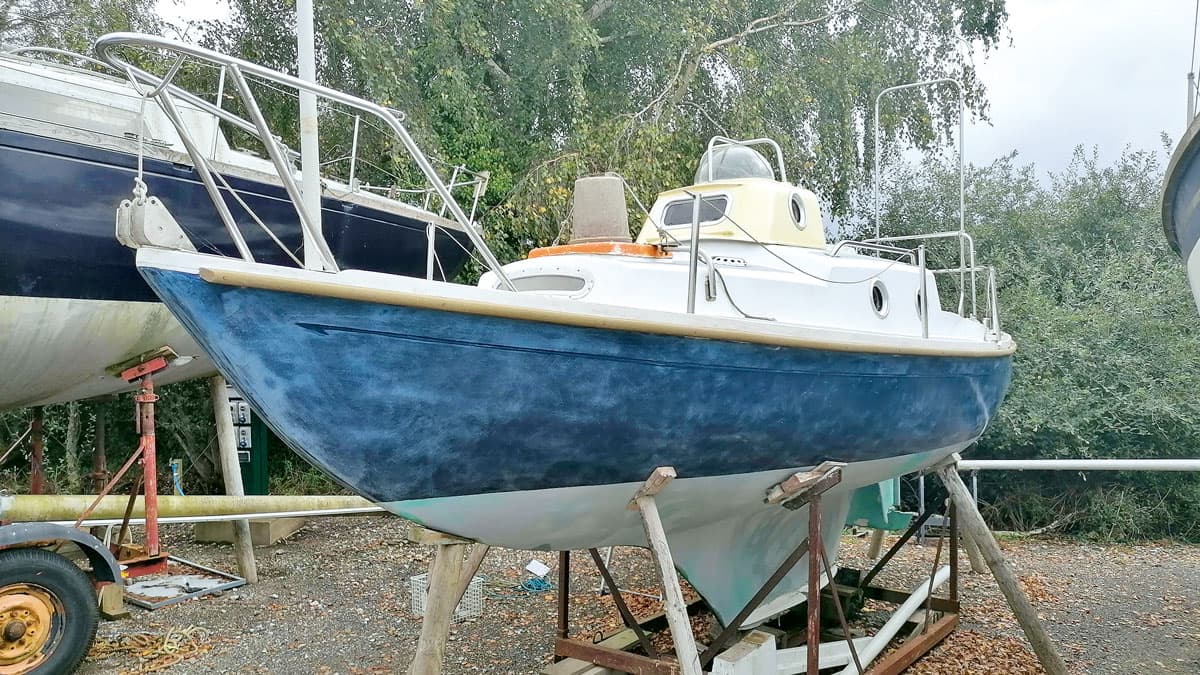
Replacing traditional teak with a rigid PVC gunwale alters load calculations: PVC extrusions at ~1,380 kg/m3 versus forest teak at ~655 kg/m3 nearly double the material density, which affects local mass distribution, freeboard margin and lifting considerations during haul-out and transport. A 10 m roll of extrusion shipped coiled requires different handling and packing logistics compared with timber planks, and distributors typically supply lengths and track systems that reduce on-site cutting time but increase the need for accurate inventory planning for screws, piping and adhesive.
Why modern PVC gunwales are gaining traction
Advances in synthetic extrusions have produced colourfast, UV-stable gunwale profiles that mimic teak grain and require minimal maintenance. Brands such as Wilks Fendering (now part of Flexiteek International) pioneered solid extrusions and profiles like TR36L2G; for DIY owners the newer Click and Bump! systems simplify fitting by using a supporting aluminium or PVC track and hidden fixings.
Key practical advantages include:
📚 You may also like
- Low maintenance: no annual oiling or sanding, reducing downtime for charter and rental boats.
- Durability: pigment through the material provides long-term colour stability under sun and chemical exposure.
- Cost-efficiency: synthetic extrusions are typically cheaper than sustainably sourced teak and easier to replace in sections.
Logistics and supply-chain considerations for retrofit projects
When planning a gunwale retrofit, coordinate procurement for extrusions, track, end caps, piping, and adhesive. Typical supply details observed in retrofit projects:
| Item | Typical packaging | Handling notes |
|---|---|---|
| 10 m PVC extrusion | Coiled or straight lengths | Coiled rolls save space but need careful uncoiling to avoid deformation |
| Track (10 m) | Straight aluminium or PVC | Requires straight storage and precise screw spacing |
| End caps & piping | Small boxed parts | Colour-match and order spares for repairs |
| Adhesive (Bostik MSR) | Tubes or cartridges | Store frost-free; allow for 24 h cure time |
Lead times vary by region; distributors often carry Click/Bump! profiles as standard stock, whereas older solid profiles like TR36L2G may need ordering through specific dealers. For fleet operators and marinas the availability window impacts scheduling of refit slots and charter availability.
Cost example
| Component | Cost (GBP) |
|---|---|
| Bump! 10 m | 157.94 |
| Track 10 m | 111.36 |
| End caps (x4) | 136.76 |
| Stainless steel screws | 10.00 |
| Total | 416.06 |
Preparation: getting the hull ready
Proper surface prep is critical for a long-lasting bond. Typical preparation steps are:
- Remove rotten teak and extract screws/rivets; heat stubborn fasteners to free them if required.
- Abrade the hull-to-deck joint and fill damaged screw holes with epoxy filler to restore a continuous surface.
- Sand filler and surrounding laminate smooth with 60 then 80-grit; plan to repaint toe rail and hull areas.
- Apply masking tape above the bond line to catch adhesive squeeze-out; clean surfaces with a prep wipe like Bostik Prep M to remove oils and silicone.
Fitting the PVC gunwale: practical tips
Installation is approachable for a competent DIYer, but disciplined staging reduces mistakes:
- Uncoil the extrusion and mark screw positions at roughly 50 cm intervals for even loading.
- Drill stepped holes so the shaft of a stainless self-tapping screw passes freely but a larger-diameter recess accepts the 8 mm piping plug.
- Recreate shaped ends with an angle grinder and hand finish; pigments run through the profile so cuts remain colour-consistent.
- Use cable ties or temporary bracing to counteract sag while positioning; work in short bonded sections and fasten progressively.
- Consider inserting a rigid PVC stiffener inside hollow D-profiles for added rigidity before fixing.
Tidying and finishing
After fastening:
- Remove horizontal masking tape while sealant is still wet for easier cleanup; white spirit can assist removing mishaps.
- Trim overhangs and sand the ends to blend the grain; stainless end caps provide a neat aesthetic finish for the stern.
- Insert colour-matched piping plugs into screw holes dipped in adhesive; cut and sand flush once cured.
Implications for yacht charters, rentals and marina operators
The switch to PVC gunwales reduces ongoing maintenance costs and minimizes time out of service for cleaning and varnishing—an appealing benefit for charter companies, yacht management firms and owners listing boats for rent. Less frequent varnishing and sanding means more days available for bookings and a more consistent presentation for guests, which directly affects customer satisfaction metrics for rentals and brokered charters.
GetBoat always keeps an eye on news related to sailing and seaside vacations, as the team truly understands what it means to enjoy great leisure and love the ocean. The platform values freedom, energy, and the ability to choose your own course, placing no limits on a good life and helping clients find vessels that suit their preferences, budget, and taste.
Key takeaways and practical advice
For owners and fleet managers considering a retrofit: verify material weights, order spare end caps and piping, and plan haul-out dates to align with adhesive cure windows to avoid charter disruptions. PVC options like Bump! and Click reduce fitting complexity and are readily available through Flexiteek distributors.
Installing a synthetic gunwale is a relatively low-cost investment that extends hull aesthetics, reduces maintenance labor and can make a vessel more attractive for rental clients and weekend sailors alike. If you are planning your next trip to the sea, you should definitely consider renting a boat (boat rentals, rent a boat, rent a yacht), as each inlet, bay, and lagoon is unique and tells you about the region just as much as the local cuisine, architecture, and language and also the unique aspects of the service. GetBoat.com
Forecast on travel impact: this development is largely technical and insignificant to the global tourism map in isolation, but it matters for customer-facing segments like yachting and boat charter, where reliability and presentation are important. However, it remains relevant to the customer base because GetBoat aims to stay abreast of such developments and keep pace with changes in the marine industry. If you are planning your next trip to the seaside, consider the convenience and reliability of GetBoat.
In summary, replacing rotten teak with a modern PVC gunwale delivers a strong mix of longevity, lower maintenance and cost savings for owners, charter operators and marinas. Proper logistics—ordering the correct profile, accounting for material density in weight planning, and scheduling adhesive cure times—ensures a tidy retrofit that preserves appearance and function. Whether you own a small boat, manage a fleet of charter yachts, or are browsing for the next weekend escape on the beach, the right gunwale choice supports better uptime and guest experience. GetBoat.com offers a transparent, global platform to book or buy vessels—yacht, charter, boat or superyacht—with clear listings that include make, model and ratings to help you plan sailing, fishing or yachting activities across marinas, gulfs and clearwater destinations; book your next trip and set your own course today.


