Sextants to Screens: The Modern Sailing Balance
Alexandra
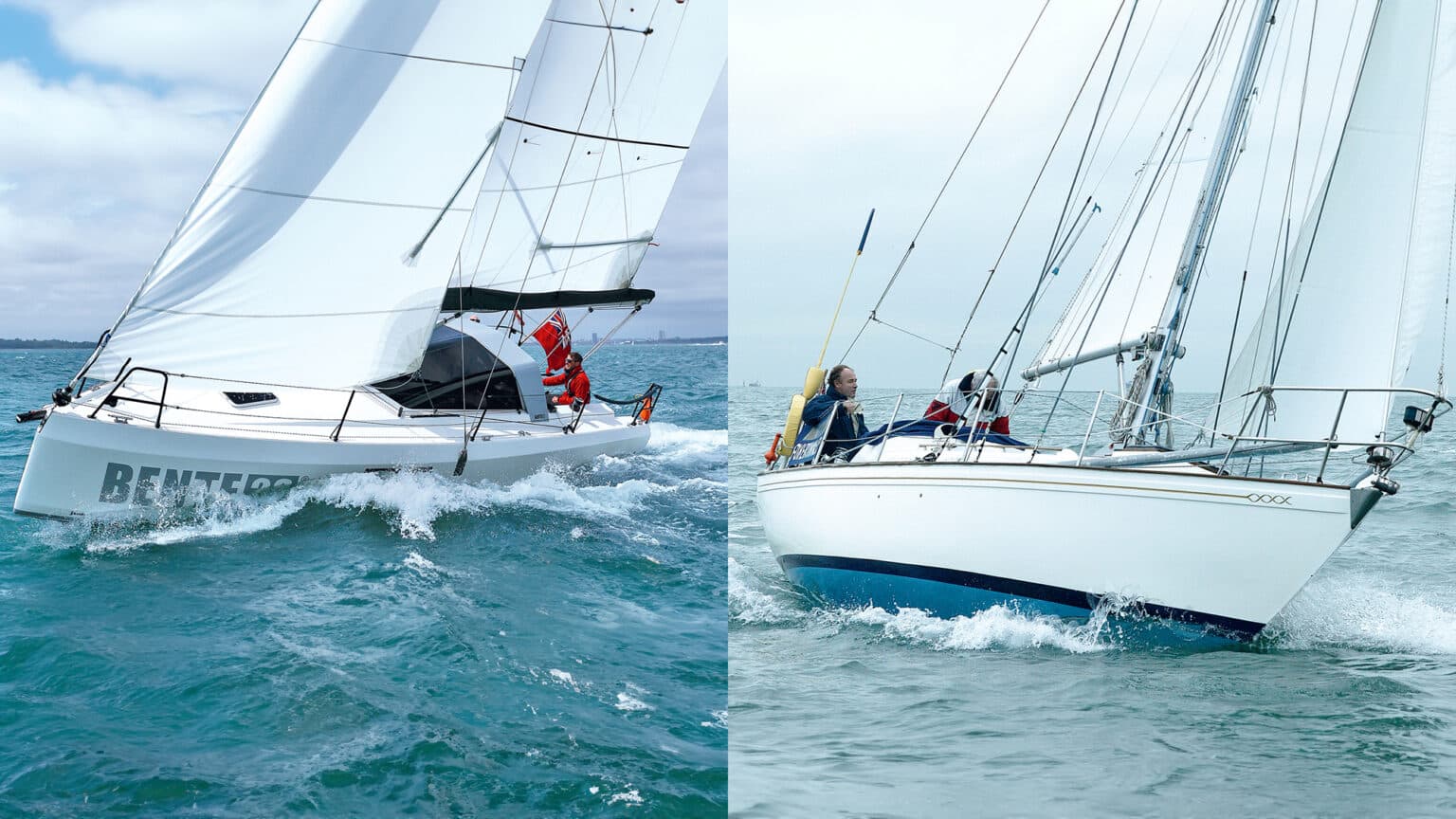
Modern GPS chartplotters and AIS systems allow skippers to fix a vessel’s position to within a few metres and integrate tidal streams into automated passage plans, significantly shortening the time needed for coastal passage preparation and berth-to-berth logistics.
GetBoat always keeps an eye on news related to sailing and seaside vacations, as the service understands what it means to enjoy great leisure and love the ocean. The platform values freedom and the ability to choose your own course, helping renters and buyers find a vessel that suits preferences, budget and taste.
Navigation
Position and Passage Planning
Where traditional coastal navigation relied on frequent three-point fixes, paper charts and manual DR/EP calculations, contemporary systems combine chartplotters, tidal models and weather overlays to produce optimized routes from waypoint A to B. This changes crew workflows: instead of plotting fixes with pencil and protractor, a skipper can upload a route, account for vessel polars and let the software generate ETAs and fuel or battery estimates.
📚 You may also like
Pros and cons
- Positive: Accuracy and situational awareness are improved; routes through tidal gates and narrow channels become safer and more accessible for less-experienced crews.
- Negative: Reliance on electronic planning can erode the intuitive “feel” for local waters and reduce practice in traditional pilotage skills.
- Overall: Electronic navigation is a powerful tool but should be complemented by backup planning and retained manual plotting skills.
Collision avoidance
Modern yachts commonly carry radar, AIS and electronic chart overlays. These enable rapid assessment of traffic density, CPA and predicted ship tracks, particularly in busy approaches. However, the Colregs are written in terms of relative bearings and manoeuvres through the water; AIS provides over-the-ground data that may mislead if tidal set is significant.
- Positive: Electronic displays provide a traffic picture at a glance, reducing uncertainty in shipping lanes.
- Negative: Natural lookout and the ability to judge relative bearings visually remain essential and can atrophy.
- Overall: Use electronic aids as primary information sources but preserve traditional lookout disciplines.
Communications and Weather
Safety communications
VHF with DSC, EPIRBs and increasingly ship-to-shore data connections have transformed distress handling: automated position transmission speeds rescue coordination and reduces ambiguity. Mobile satellite and long-range data links also permit routine sharing of position, ETA and weather with family or marina operators, improving logistical planning for shore teams and berth allocation.
Radio etiquette and chat
Instant contact with marinas, other craft and service providers simplifies berth bookings and last-mile arrangements, but abusing VHF channels can compromise safety channels. Short Range Certificate (SRC) or equivalent training remains a minimum standard to ensure efficient and lawful use.
Weather intelligence
High-resolution weather models accessible on-board or ashore allow pinpointed decision-making for routes, avoiding unnecessary holds or risky departures. The trade-off is that numerical forecasts may displace skill in reading barometer trends and cloud types; cross-checking app outputs with observed local conditions remains good seamanship.
Seamanship, Materials and Handling
Material advances — GRP hulls, synthetic lines, stainless fittings and long-life sailcloth — have reduced routine maintenance and increased uptime. Engines have evolved from small petrol units to reliable diesel propulsion and, increasingly, hybrid and electric options that affect range planning and marina provisioning.
| Aspect | 1960s/old | Modern |
|---|---|---|
| Navigation | Paper charts, sextant | Chartplotter, GPS, AIS |
| Comms | Flag, horn, basic VHF | VHF-DSC, EPIRB, satellite |
| Materials | Wood, natural ropes | GRP, synthetics, stainless |
| Propulsion | Small petrol engines | Diesel; emerging electric |
Boat handling
Bow thrusters, effective engines and hull forms have simplified berthing and close-quarters manoeuvring. These aids reduce damage risk but can create over-reliance; training for manual manoeuvres without power assists remains essential for contingency situations.
Living Afloat and Ashore
Comfort standards below decks have risen dramatically: modern yachts feature comfortable berths, heads with holding tanks, refrigeration and climate systems that change provisioning and itinerary choices. Onshore, marina infrastructure — power, water, wi-fi and travel-lift services — has turned many harbours into logistic hubs for cruising fleets, affecting how owners and charter operators plan turnarounds and maintenance.
- Positive: Increased comfort widens the appeal of cruising and makes multi-generation charters and rentals viable.
- Negative: Higher expectations raise costs and can erode the sense of adventure for some crews.
Safety and Culture
Safety equipment — modern self-inflating lifejackets, liferafts, MOB recovery gear and PLBs — has cut fatality rates and enabled more ambitious itineraries. At the same time, shifting social habits and instrument-centric watchkeeping can reduce informal social signals between boats; mutual awareness and seafaring etiquette deserve active cultivation.
Key takeaways and notable details
The important and interesting aspects of this topic are how technology has democratized access to remote destinations but also how it shifts skill requirements. Experiencing a new location remains multifaceted: you learn about culture, nature, the indescribable palette of local colours, its rhythm of life and also the unique aspects of the service. If you are planning your next trip to the sea, you should definitely consider renting a boat (boat rentals, rent a boat, rent a yacht), as each inlet, bay, and lagoon is unique and tells you about the region just as much as the local cuisine, architecture, and language GetBoat.com
Plan ahead — forecast and action
Technological change will continue to nudge the global tourism and travel map: improved safety and accessibility make coastal and island destinations more reachable for leisure travellers, encouraging growth in regional yachting economies though the global impact remains moderate. However, it's important to us since GetBoat aims to stay updated with all developments and keep pace with the changing world. Start planning your next seaside adventure and make sure to book the best boat and yacht rentals with GetBoat before the opportunity sails away!
Conclusion
Modern electronics, improved materials and expanded marina logistics have made cruising safer, more comfortable and more accessible. Yet the core demands of seamanship — lookout, maintenance, judgement and contingency planning — remain unchanged. For charterers and owners alike, the balance is to exploit digital tools for accuracy and convenience while preserving hands-on skills and local knowledge. GetBoat.com supports this by offering transparent listings for yacht and boat charter, sale and rent, with details on make, model and ratings to help you choose the right craft for your beach, lake or ocean itinerary. Enjoy the voyage.