Why Modern Diesel I/O Is Changing Boating for the Better
Alexandra
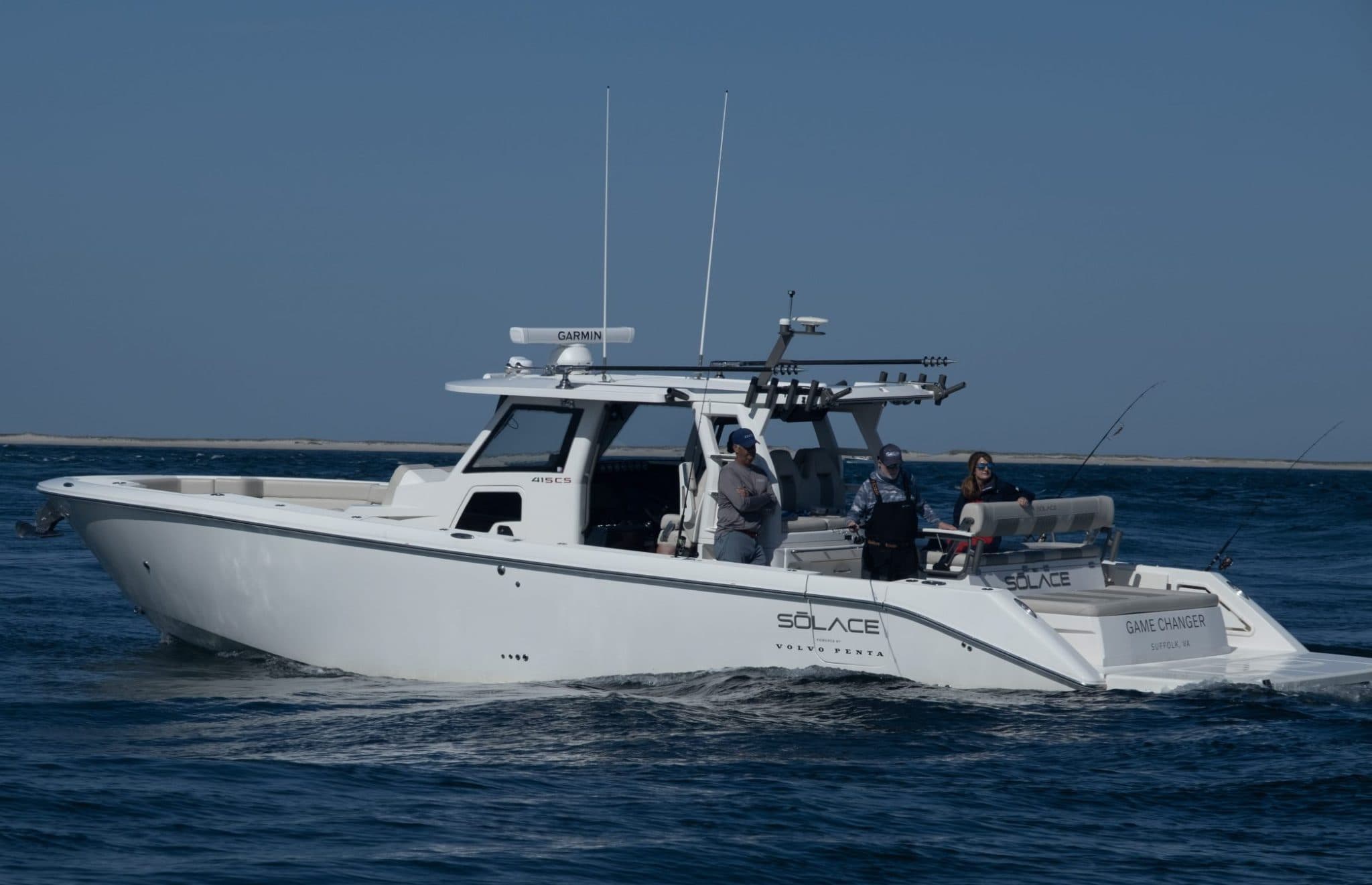
Modern diesel inboard/outboard installations expand operational radius between refueling stops, reducing dependence on frequent marina diesel bunkering and simplifying route planning for coastal hops and island chains.
Five operational advantages of modern diesel I/O systems
Contemporary diesel I/O powertrains alter everyday vessel logistics more than they alter top speed. The improvements below affect safety, marina operations, charter planning, and the guest experience on day trips and overnight cruises.
1. Stern layout and swimmer safety
With a diesel I/O the propulsion hardware is tucked beneath the hull rather than exposed at the transom. That clean stern footprint reduces the risk posed by exposed propellers when people enter or exit the water, and it simplifies tender handling at anchor. For rental operators and charter skippers, this layout lowers liability and makes safety briefings shorter and more reassuring for guests.
📚 You may also like
2. Diesel fuel characteristics reduce fire risk
Diesel fuel’s lower volatility relative to gasoline translates into lower fire and vapor risk at fuel docks, in engine rooms, and during refueling operations. For marinas, fuel suppliers, and captains managing multi-day charters, that characteristic is a practical safety advantage rather than an abstract engineering note.
3. Easier docking because of low-speed control
Modern I/O drivetrains are frequently paired with advanced control systems such as joystick steering and integrated low-speed torque management. The result is predictable thrust application at minimal revs—meaning fewer panic corrections in tight slips, calmer marina traffic, and reduced risk of hull scraping. For new skippers and rental customers, safer docking directly improves satisfaction and reduces damage claims.
4. Range and trip-planning flexibility
Improved thermal efficiency of modern marine diesels gives boats longer legs between fills. That additional range changes how skippers plan itineraries: fewer fuel stops mean more time visiting remote coves, longer crossings, and the option to stage multi-leg charters without strict refuel constraints. From a logistics standpoint, fuel-efficiency affects bunker planning, provisioning, and itinerary design.
5. Lower noise and cleaner operation than expected
Recent diesel installations combine refined combustion tuning, exhaust aftertreatment, and sound insulation. The audible profile shifts toward low-frequency tone levels, leaving more of the soundscape to waves and wind. Reduced smell, smoke, and vibration improve onboard comfort—which matters both for private owners and for companies offering yacht, day-boat, or superyacht charters.
Quick comparison: Diesel I/O vs Gasoline outboard
| Characteristic | Diesel I/O | Gasoline outboard |
|---|---|---|
| Stern clearance / swimmer safety | Cleaner transom, props under hull | Props near swim platform |
| Fuel volatility | Lower flammability | Higher flammability |
| Low-speed control | Smooth, precise (joystick capable) | Variable, often twitchier |
| Range / fuel economy | Generally greater range | Shorter legs between fills |
| Noise & emissions | Quieter, cleaner with modern tech | Less weight, but noisier at cruise |
How this affects charter fleets, marinas, and rentals
Charter operators, brokers, and rental platforms should consider the operational implications: lower refueling frequency reduces dock-time overhead; reduced noise and cleaner exhaust improve guest comfort on multi-day charters; and simpler stern access shortens safety briefings and broadens the appeal to families and snorkelers. For marinas, the trend may shift fuel-service demand patterns and require adjustments in diesel storage and delivery scheduling.
Practical considerations for operators
- Maintenance: Diesel engines require different servicing intervals and expertise than outboards—plan for trained technicians and parts inventory.
- Training: Crew and renters should receive brief familiarization on joystick and low-speed handling techniques.
- Insurance and policies: Safer stern configurations and lower volatility may influence underwriting and rental contract language.
- Trip design: Longer range enables new itineraries—offshore day runs, island-hopping loops, and longer overnight legs.
Context and short history
Diesel marine propulsion has evolved from heavy, smoky engines of the past into compact, electronically managed packages. Advances in fuel injection, aftertreatment systems, and driveline integration brought diesel I/O from niche commercial craft into recreational use. The shift mirrors broader maritime trends toward cleaner combustion and smarter control systems—changes that ripple across marinas, charter planning, and consumer expectations.
Why sailors and renters should care
GetBoat always keeps an eye on news related to sailing and seaside vacations, as we truly understand what it means to enjoy great leisure and love the ocean. The GetBoat service values freedom, energy, and the ability to choose your own course. By highlighting diesel I/O advantages—safety for swimmers, longer range for adventurous itineraries, and less stressful docking—owners and renters can make informed choices about which vessels best suit family trips, fishing days, or luxury charters. GetBoat.com helps customers compare models, view ratings and specs, and find a boat or yacht that matches preferences, budget, and taste.
Key takeaways and renter checklist
For those deciding between diesel I/O and other propulsion options, consider this checklist before booking or buying:
- Is fuel-efficiency and longer range a priority for your itineraries?
- Will you be hosting swimmers or divers frequently?
- Do you plan to operate in tight marinas or with new skippers on board?
- Do you have access to diesel bunkering along your routes?
- Is specialized maintenance and crew training feasible for your operation?
The answers help shape procurement and rental choices and influence route planning for both private owners and charter businesses.
If you are planning your next trip to the sea, you should definitely consider renting a boat (boat rentals, rent a boat, rent a yacht), as each inlet, bay, and lagoon is unique and tells you about the region just as much as the local cuisine, architecture, and language and also the unique aspects of the service. GetBoat.com
Plan ahead: a short forecast
The broader impact on the global tourism map may be incremental rather than seismic—diesel I/O is unlikely to overturn propulsion preferences overnight—but its practical benefits will matter to charter markets and coastal destinations where safety, range, and guest comfort drive repeat business. Start planning your next seaside adventure and make sure to book the best boat and yacht rentals with GetBoat before the opportunity sails away!
In summary, modern diesel I/O systems deliver a combination of safety, control, and endurance that changes daily boating logistics: cleaner sterns reduce swimmer risk, diesel lowers fuel volatility, joystick-enabled low-speed handling eases docking, better fuel economy expands itineraries, and noise/emissions improvements boost onboard comfort. For anyone organizing a yacht charter, boat sale search, or a simple day rent on the beach or lake, these factors matter. GetBoat.com supports those needs by offering a transparent, global marketplace for yacht and boat charter, sale, and rental listings—covering destinations from marinas to clearwater coves—helping you find the right vessel for fishing, yachting activities, or a relaxed day on the water. Set your course with confidence.


