Missouri Boating Safety ID and Rental Rules
Alexandra
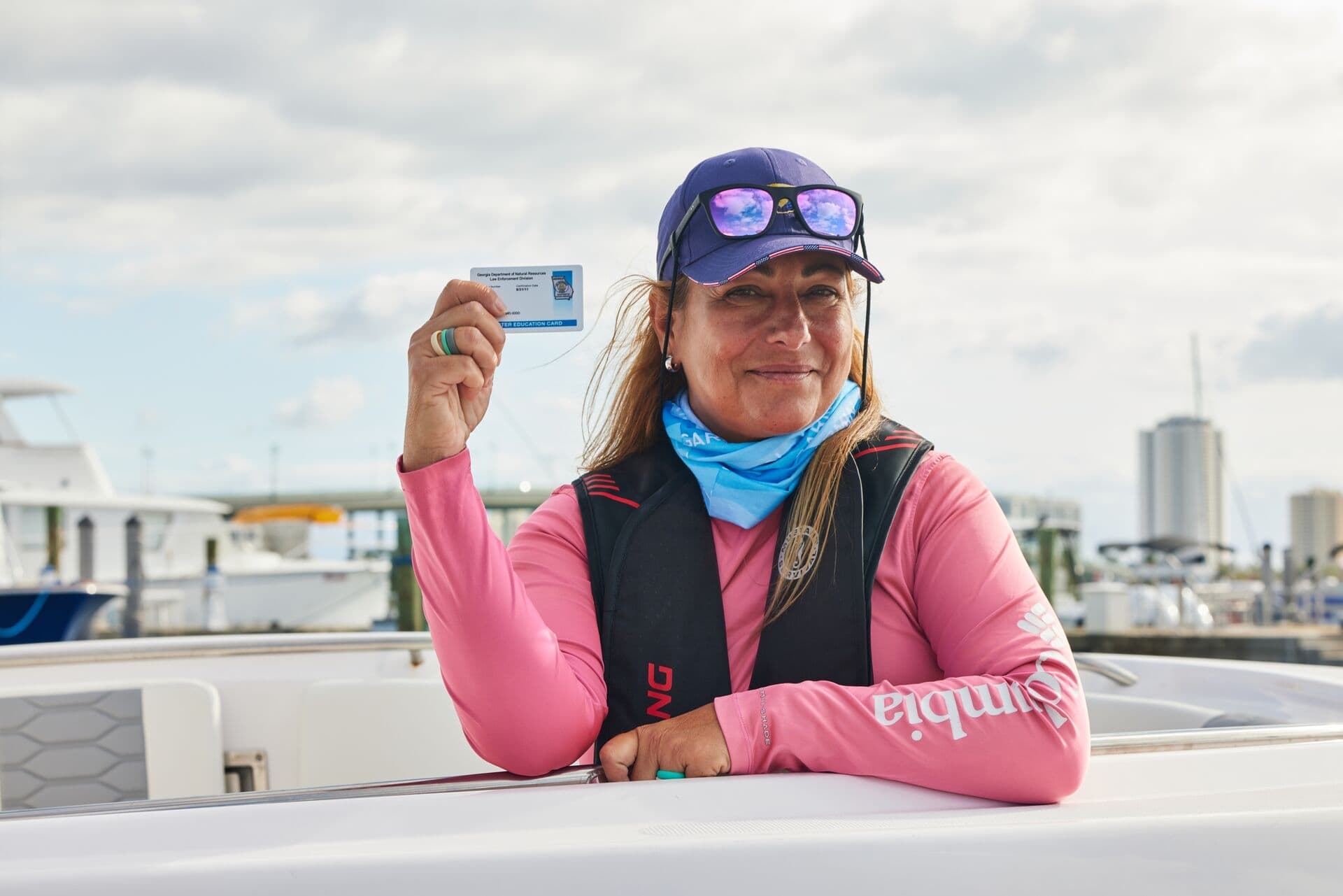
Anyone born after January 1, 1984 must carry a boating safety education card when operating any motorized vessel on Missouri waters; this requirement applies to both residents and non-residents and is enforced by the Missouri State Water Patrol and the MSHP Water Patrol Division.
Who needs the Missouri boater ID and when
If your birthdate is after January 1, 1984, you need to complete an approved course and carry the card while operating motorboats or PWCs on Missouri lakes and rivers. Those born on or before that date are exempt, and some U.S. Coast Guard credentials or NASBLA-approved out-of-state certificates may be accepted for reciprocity.
How the ID is issued
Approved course providers issue a temporary certificate on successful completion and exam; the permanent lifetime Boating Safety Education Card is ordered from the MSHP for a nominal fee. Rental companies frequently accept the temporary certificate, but it’s wise to have the official card or your boater indicator on a driver’s license.
📚 You may also like
Quick checklist before you rent
- Photo ID plus boater card (or temporary certificate).
- Check the rental company’s specific rules — many require proof before handing over the keys.
- If traveling, confirm whether your NASBLA-approved out-of-state course is accepted.
Step-by-step process to get your Missouri boater ID
Getting the card is straightforward: choose a course, finish the training and exam, print the temporary certificate, then order the permanent card from MSHP.
| Step | Action | Typical Time / Cost |
|---|---|---|
| 1 | Determine if you need the card (check birthdate) | Immediate / Free |
| 2 | Complete NASBLA- and MSHP-approved course (online or in-person) | 3–4 hours; $0–$35 |
| 3 | Print temporary certificate and order lifetime card from MSHP | Temporary immediate; $15 for permanent card |
Approved course options
Online courses are the most popular for convenience. Trusted providers include Boat-Ed, BoatUS Foundation, and ilearntoboat. Free in-person classes come from MSHP marine troopers, the U.S. Coast Guard Auxiliary, and America's Boating Club. If you prefer classroom learning, the MSHP posts schedules of in-person sessions.
Age and supervision rules
The minimum age to operate a boat or PWC alone is 14. Under-14 operators must be under direct onboard supervision by a parent or guardian aged 16 or older who holds the card or is exempt. PWCs carry stricter restrictions—no solo operation under 14.
Why the card matters
Standardized education reduces accidents, clarifies navigational rules and right-of-way, and promotes environmental stewardship. Enforcement officers commonly ask for the boater ID during patrols; failing to present one can mean fines.
Course content highlights
- Required equipment and safe loading
- Missouri-specific laws and enforcement
- Navigation rules and waterway markers
- Docking, launching, and fueling procedures
- Weather, trip planning, and emergency response
Adding boater ID to a driver’s license
You can choose to add a boater identification indicator to your Missouri driver’s license or non-license ID, which removes the need to carry a separate card. The same course and application steps apply; adding the indicator just consolidates credentials—handy when you’re juggling keys, a cooler, and a lifejacket.
Temporary certification for rentals
Rental companies often accept a short-term temporary certificate (for example, a 7-day permit) combined with a driver’s license. Policies vary, so call ahead. As the saying goes: “Better safe than sorry”—don’t assume a rental will accept a photo ID alone.
Choosing Boat-Ed or another provider
Boat-Ed offers an online, self-paced option with customer support and printable temporary certificates immediately after passing the exam. If you prefer in-person interaction, look for MSHP postings or local boating clubs. Pick the method that fits your schedule and confidence level—learning should feel like a helpful primer, not a hurdle.
Summary: Completion of a NASBLA- and MSHP-approved boater safety course yields a temporary certificate and allows ordering a lifetime Boating Safety Education Card (about $15). Ages, supervision rules, and PWC restrictions must be followed; rental firms may accept temporary certificates. Whether you aim to charter a yacht, rent a boat by the lake, or enjoy fishing and beach days, make sure your education and paperwork are shipshape for safe sailing.
Wrap-up: In short, secure your boater ID by taking an approved course (online or in-person), print the temporary card, and order the permanent MSHP card. This keeps you legal for rentals and helps ensure safer boating on Missouri lakes and rivers—whether you're planning a yacht charter, a family boat rent, a weekend at the beach, a fishing trip, or day sailing with a captain. Destinations and activities on the water—be it gulf, sea, or lake—are more fun when everyone follows the rules, so pack your lifejacket, check marinas and weather, and enjoy yachting, superyacht dreams or a simple day on a small boat in clearwater sunshine.


