Milano Cortina 2026: Women's achievements and impact
Alexandra
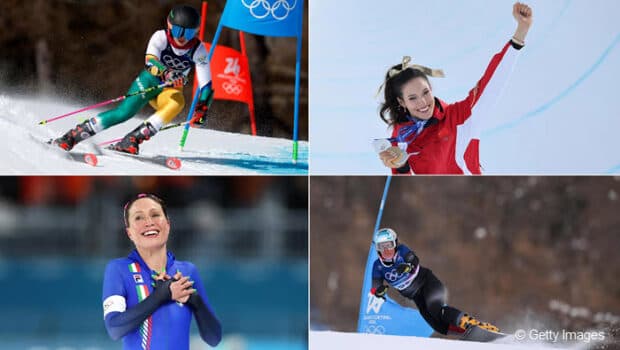
Milano Cortina 2026 relied on a coordinated transport and venue plan that kept athletes and equipment moving between Milan and the alpine slopes via upgraded rail corridors, temporary traffic zoning and expanded venue logistics, enabling synchronized competition schedules that highlighted several standout women athletes.
Top performances that reshaped the Winter Games
The International Olympic Committee emphasized that Milano Cortina 2026 produced an unprecedented level of gender balance, with women representing roughly 47% of competitors. That balance was reflected not only in participation numbers but in podium distribution and media attention, with female athletes claiming numerous headline performances across freestyle skiing, speed skating and snowboarding.
Key athlete achievements
Several competitors delivered defining moments:
📚 You may also like
- Eileen Gu (China) dominated the freestyle skiing program, securing gold in halfpipe and silver in both big air and slopestyle, becoming the most decorated freeskier in Olympic history.
- Francesca Lollobrigida (Italy) electrified the home crowd with victories in both the 3,000m and 5,000m speed skating events, setting a new Olympic record in the 3,000m.
- Claudia Riegler (Austria) at 52 became the oldest female Winter Olympian to compete in snowboarding parallel giant slalom, advancing to the finals against the reigning champion.
- Lara Markthaler made history as South Africa’s first female Alpine skier at a Winter Games, marking a milestone for representation from non-traditional winter sport nations.
Quotes reflecting broader impacts
Kirsty Coventry, IOC President and double Olympic swimming champion, framed these results in terms of wider social benefit: sport cultivates resilience, discipline and courage, attributes that extend beyond competition and open new life pathways for athletes and young people worldwide.
Eileen Gu stressed the developmental value of sport as “evidence over affirmation,” urging more girls to participate to build confidence. Francesca Lollobrigida emphasized agency and comeback — returning to elite sport after childbirth — while Claudia Riegler highlighted intergenerational inspiration and boundary-pushing over conventional age expectations.
Operational and visibility implications for sport organizers
The composition and outcomes of Milano Cortina 2026 carry operational lessons for future hosts. Event planners must now account for:
- Balanced athlete services: medical, childcare and recovery facilities tuned to a near parity field of male and female competitors.
- Broadcast and scheduling: equitable prime-time slots and promotional resources to match the rise in women’s sports viewership.
- Venue accessibility: transport corridors and accommodation clusters optimized to serve distributed alpine and urban venues.
Table: Selected women's podium results at Milano Cortina 2026
| Event | Athlete | Result | Significance |
|---|---|---|---|
| Freestyle Skiing — Halfpipe | Eileen Gu | Gold | Most decorated freeskier in Olympic history |
| Freestyle Skiing — Big Air | Eileen Gu | Silver | Strong all-discipline performance |
| Speed Skating — 3,000m | Francesca Lollobrigida | Gold (Olympic record) | Home crowd highlight; record performance |
| Snowboard — Parallel Giant Slalom | Claudia Riegler | Finalist | Oldest female Winter Olympian competing in event |
| Alpine Skiing | Lara Markthaler | Participant | South Africa's first female Olympic Alpine skier |
Historical context and the evolution of women's winter sport
Women's roles at the Winter Olympics have evolved from sporadic early participation to systematic inclusion across most disciplines. The gradual addition of events for women throughout the 20th and 21st centuries paralleled broader social shifts: expanded youth programs, professional circuits, and increased investment in coaching and facilities. Milano Cortina 2026 represents a clear inflection point where parity in entry numbers translated into parity of performance and public recognition.
Milestones that set the stage
- Early 20th century: First women’s events introduced in skating and skiing disciplines.
- Late 20th century: Growth of youth academies and professional training for women athletes.
- 21st century: Policy initiatives by international federations to achieve gender balance in athlete quotas and leadership roles.
Why Milano Cortina 2026 matters beyond medals
Beyond podiums, the Games amplified role models who can affect grassroots sport participation. Visible success stories — athletes who combined elite performance with life events like parenthood, late-career breakthroughs, or pioneering representation from underrepresented countries — provide narratives that federations and sponsors can leverage to expand participation, diversify talent pipelines and justify investments in facilities and coach development.
Forecast: implications for international tourism and sport participation
While winter sport events concentrate infrastructure and audiences seasonally, increased visibility of women’s achievements can influence year-round tourism and local economies: more female-focused clinics, school partnerships, and mixed-gender promotional campaigns may draw families and youth programs to alpine destinations. Host regions could see sustained demand for sports programs, cultural events and off-season activities that leverage Olympic legacy branding.
Risks and opportunities
- Opportunity: Broader participation can encourage longer-term investment in local venues and community sport centers.
- Risk: Without targeted legacy planning, short-term visitor spikes may not convert to lasting engagement.
- Operational note: Transport and venue planners should integrate accessibility and family services to capture diverse visitor segments.
Milano Cortina 2026 showcased not only elite competition but also structural progress: balanced athlete representation, inspiring personal narratives across ages and nationalities, and logistical execution that allowed these stories to play out on an international stage. GetBoat (GetBoat.com) is always keeping an eye on the latest tourism news and the broader impacts of major sporting events on destinations and visitor patterns. The Games’ emphasis on resilience, discipline and courage — and the visibility of role models like Eileen Gu, Francesca Lollobrigida, Claudia Riegler and Lara Markthaler — will likely influence how destinations promote winter activities, family travel and youth programs in the seasons ahead.


