Deck-Stepped or Keel-Stepped: Choosing the Rig
Alexandra
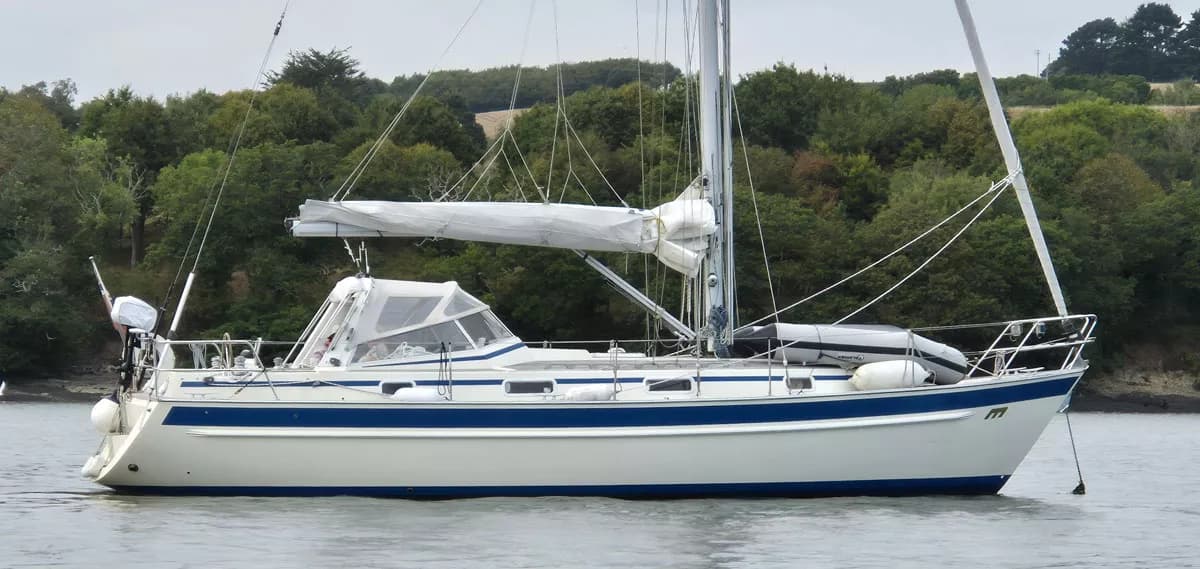
On offshore refits and emergency repairs, a keel-stepped mast typically requires crane access and a deeper draft berth, adding measurable logistics time and cost—unstepping can take a full day in a marina—while a deck-stepped spar can often be lowered alongside a finger pontoon, reducing downtime for charter fleets and private rentals.
The Engineering Divide: Where Compression Ends
The physical distinction between a deck-stepped and a keel-stepped mast is where the compression load terminates and how that load is routed into the hull. In keel-stepped rigs the spar continues through the deck into a step bolted to the keel; in deck-stepped rigs the load is transferred via a step and a compression post to an internal structural grid or directly to the keel. Both aim to keep the mast vertical but distribute stresses differently, with direct consequences for maintenance, safety, and performance.
Deck-Stepped Systems: Compression Column and Practical Benefits
In a deck-stepped arrangement the mast sits on a shoe on the cabin top and behaves as a pinned compression column. The spar has no inherent lateral base restraint and relies on the standing rigging for lateral stability. This simplicity brings real operational advantages for charters and boat rental operators:
📚 You may also like
- Faster unstepping and commissioning during yard work or between charter seasons.
- Lower risk of internal water tracking into the bilge because the internal cavity terminates above deck.
- Greater interior volume options and usually dryer bilges—appealing to recreational renters and families.
The main structural vulnerability is the deck core under the step. If the core becomes waterlogged the sandwich can crush under sustained compression, producing deck sag and compromised forestay tension—directly affecting upwind performance and sail shape.
Load Transfer Mechanics
Downward force from the mast base travels through the deck and into a compression post or structural grid. Well-executed reinforcement keeps the cabin dry and serviceable, which is why many production cruisers and multihulls favor deck-stepped rigs: they simplify maintenance and reduce the practical overhead of charter operations.
Keel-Stepped Systems: Propped Cantilever and Rigidity
A keel-stepped mast passes through the partners and is stepped on the keel, forming a propped cantilever between keel and deck. The partners act as a fulcrum and provide lateral support before any shroud tension is applied, shortening the effective unbraced length of the column.
Structural Rigidity
Keel-stepped spars offer increased lateral stiffness and superior ability to control forestay sag and mast pre-bend. That stiffness can translate into a more stable sail plan in heavy weather—an attractive quality for long offshore passages and performance-oriented charters.
The Trade-Off: Interior Intrusion and Access
The keel-stepped mast becomes an internal fixture. It can obstruct salon layout or be integrated as a functional element, but it requires careful ergonomic design. From a maintenance standpoint, disassembly is more complex and often demands heavier shore support, which raises time and cost when refitting a charter fleet or preparing a yacht for a long season.
| Mechanical Profile | Deck-Stepped | Keel-Stepped |
| Column Type | Pinned Compression Column | Propped Cantilever |
| Rigging Support | Single point (the step) | Two points (partners & keel) |
| Maintenance Access | Simple; easier to unstep | Complex; needs crane & deeper berth |
| Moisture Management | Dry; no internal cavity to bilge | Prone to internal water; needs drainage |
| Performance Stability | Subject to coachroof flex | Highly rigid; stable sail shape |
Rigging Dynamics and Tuning
The dynamic response to tuning is different. Tightening a backstay on a deck-stepped rig tends to pull the mast down into the deck; on lightly built boats the hull can flex and the result is a cycle where rig tension relaxes. Keel-stepped rigs allow deliberate pre-bend via wedges at the partners, giving tuners a broader envelope to flatten the mainsail and refine sail shape under varying conditions.
Water Management and Bilge Considerations
Water ingress is a frequent operational issue. Deck boots can weep over time, but deck-stepped masts avoid the internal spar cavity that channels rain and halyard leakage down into the bilge. Keel-stepped rigs must be fitted with effective drainage to prevent collected moisture at the keel step from overwhelming bilge systems—an important maintenance item for charter operators, marina technicians, and anyone responsible for vessel safety.
Failure Modes and Safety Implications
How a rig fails matters. In dismasting scenarios the two systems behave differently, affecting crew safety and salvage options. Keel-stepped masts, because they are anchored to the keel, often leave more of the spar supported inside the hull after failure, whereas deck-stepped spars can come down on deck and superstructure. Both systems require robust stays, attention to hardware fatigue, and regular pre-season checks to minimize risk.
Practical Considerations for Charter and Rental Fleets
- Deck-stepped boats can reduce out-of-service time and lower yard costs—advantages for fleets with frequent turnover.
- Keel-stepped yachts often appeal to bluewater charterers seeking rigidity and predictable sail handling on offshore legs.
- Inspection of compression posts, deck cores, and mast boots should be standard on any maintenance checklist before charter handover.
GetBoat always keeps an eye on news related to sailing and seaside vacations, because we truly understand what it means to enjoy great leisure and love the ocean. The service values freedom, energy, and the ability to choose your own course, placing no limits on a good life—helping clients find vessels that fit preferences, budget, and taste while viewing detailed make, model, and ratings beforehand.
The practical highlight is that mast choice affects more than performance: it shapes maintenance schedules, marina logistics, and charter availability. Experiencing a new sailing destination is a multifaceted process where you learn about the culture, nature, local colors, rhythm of life and the unique aspects of service. If you are planning your next trip to the sea, you should definitely consider renting a boat (boat rentals, rent a boat, rent a yacht), as each inlet, bay, and lagoon is unique and tells you about the region just as much as the local cuisine, architecture, and language GetBoat.com
Forecasts vary on global tourism impact: this technical distinction between mast systems is not likely to redraw the global travel map, but it matters to operators, marinas, and charterers at regional level by influencing maintenance cycles, berth selection, and rental readiness. GetBoat aims to stay abreast of developments so customers can weigh reliability, convenience, and cost when planning charters. Consider fleet logistics and service networks when choosing a yacht; start planning your next seaside adventure and make sure to book the best boat and yacht rentals with GetBoat before the opportunity sails away!
Summary: choosing between keel-stepped and deck-stepped masts balances structural rigidity, interior layout, and operational logistics—deck-stepped spars favor quicker maintenance and drier bilges while keel-stepped spars offer superior stiffness and tuning control. For charterers and private owners alike, inspect compression posts, deck cores, mast boots, and drainage systems before handing over the helm. Whether you seek a yacht for a day on a calm bay, a superyacht weekend, a fishing trip in clearwater marinas, or a long ocean passage, the right rig influences safety, charter availability, and enjoyment of beach, lake, gulf, and sea destinations—so set your course.


