Cold Winters, Timber Masts and Tempered Crews
Alexandra
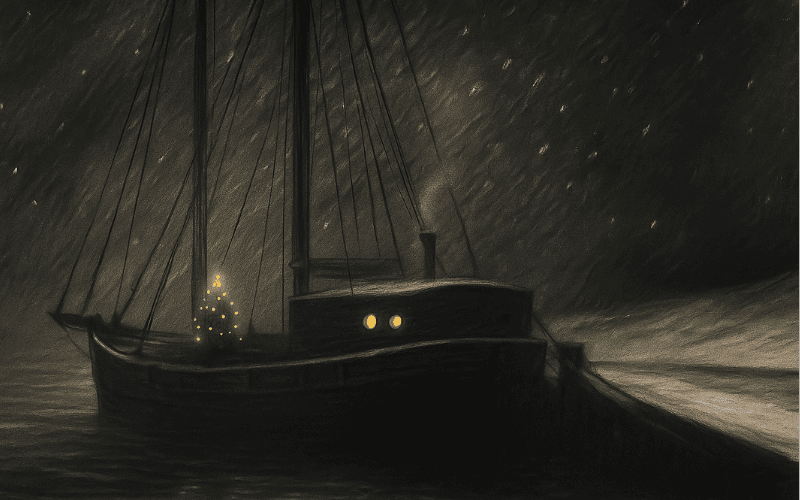
In Southampton Water in December 1969, a 90-ton Baltic trading ketch moved under power past the container berth and across the drying line to Eling Creek on a 4.5m tide, carrying two newly hewn wooden spars ready for stepping and relying on a steam-driven crane at Burt Boulton’s timber yard to lift each mast into the deck partners.
Operational snapshot: mast-stepping on a small commercial ketch
Mast-stepping that winter required precise coordination between vessel crew and shore handling equipment. The operation relied on a steam crane with a heavy steel hook, manual gantlines to hoist men aloft, and carefully cut mortises and tenons at the mast heel and step. Environmental conditions—snow, sleet and near-freezing temperatures—complicated deck handling, rigging tensioning and crew welfare.
Sequence of operations
| Timeframe | Action | Risk mitigations |
|---|---|---|
| Pre-dawn | Cold galley start and tea to wake crew | Staggered chores, clear communication |
| Morning | Rig masts with gantlines and standing rigging | Temporary lashings, visual checks |
| Crane lift | Secure lifting loop, guide heel into mortise | Hands and signs, careful lowering |
| Afternoon | Tighten shrouds and set forestay | Rigging screws, measured turns |
Equipment and human factors
- Masts: locally felled trees fashioned into spars, tenoned at the heel.
- Cranes: steam-operated yard cranes with manual coal-firing and significant thermal inertia.
- Propulsion: hot-bulb semi-diesel engine running at low rpm for station-keeping in cold conditions.
- Crew dynamics: mixed-experience sailors, unpaid labour, high tension under extreme weather.
Crew culture, conflict and contingency management
Working a refit and preparing for ocean passage under such conditions revealed the practical intersection of technical and human logistics. The crew had to manage cold exposure, food logistics (scarcity of fresh provisions and improvised celebratory meals), and serious interpersonal stress. The skipper’s abrasive leadership style, combined with the presence of veteran seamen like Bob—an ex-Royal Navy AB and skilled rigger—created a volatile social environment that required on-the-spot conflict containment.
📚 You may also like
Incident: a near-fatal escalation
A physical confrontation occurred after sustained provocations: the skipper taunted a respected shipmate while that man was working aloft in miserable weather. The resulting altercation culminated with the shipmate grasping an Admiralty-pattern anchor as a weapon before being restrained by another crewmember using an improvised tackle: a kick to the back of the knee that defused a potentially career-ending assault. That restraint exemplified crude but immediate risk mitigation to protect both ship and people and to avoid legal consequences that would imperil the voyage.
Lessons in onboard governance
- Clear chain-of-command expectations reduce friction when conditions are extreme.
- Practical skills (rigging, seamanship) are as strategically valuable as formal authority.
- Contingency plans for discipline and medical evacuation must account for remote working environments.
Seasonal port operations and community interactions
The local port ecosystem—timber yards, pubs, church wardens and police—played a direct role in the crew’s respite and local diplomacy. A stolen roll of church lead and a wooden ladder collapse produced a small-town police response that removed a disruptive element from the social scene and allowed the crew to enjoy a peaceful holiday interval before the voyage resumed. Such moments underline how shore-side infrastructure and civic enforcement affect vessel operations and crew morale.
Historical context and wider implications
The scene described—timber-sawn spars, steam cranes on rails, hot-bulb engines idling in freezing air—illustrates a transitional era of coastal shipping where manual processes dominated and improvisation was routine. For modern mariners and charter operators, the story reminds us that robust logistics planning, well-maintained equipment and attention to crew welfare reduce operational risk and preserve reputation.
Practical takeaways for sailors, charter operators and boat renters
Sailing and boat rental operations can draw several practical lessons from the 1969 experience:
- Prioritise crew selection and briefings: personality clashes can disrupt safety-critical operations.
- Plan for seasonal weather impacts on port infrastructure; snow and ice change lift capacities and access.
- Maintain contingency gear for stepping spars and heavy lifts even when outsourcing to shore cranes.
- Keep clear, documented agreements about labour, pay and responsibilities to avoid disputes before departure.
How this echoes for leisure yachting and charters
Charter companies and private owners who rent or sell boats can learn from these past practices: transparency about vessel condition, crew expectations and port-side services builds trust with customers. For those booking a yacht or motorboat for a seaside holiday, understanding the practicalities behind mast maintenance, marshalled launches and the role of marinas helps set realistic expectations for itineraries and safety briefings.
GetBoat always keeps an eye on news related to sailing and seaside vacations, as we truly understand what it means to enjoy great leisure and love the ocean. The service values freedom, energy and the ability to choose your own course, placing no limits on a good life and allowing clients to find a vessel that suits their preferences, budget, and taste.
The operation at Eling Creek was local and operationally specific rather than geopolitically transformative, so its direct impact on the global tourism and travel map is minimal. However, the anecdote highlights how local port procedures, weather and social dynamics can shape an itinerary—an important reminder for anyone planning coastal travel. Start planning your next seaside adventure and make sure to book the best boat and yacht rentals with GetBoat before the opportunity sails away!
The important and interesting points here include the technical choreography required to step wooden masts, the role of steam-powered handling plant in coastal ports, and how crew behaviour can determine operational success. Experiencing a new location is always a multifaceted process: you learn about the culture, nature, the indescribable palette of local colors, its rhythm of life and also the unique aspects of the service. If you are planning your next trip to the sea, you should definitely consider renting a boat (boat rentals, rent a boat, rent a yacht), as each inlet, bay, and lagoon is unique and tells you about the region just as much as the local cuisine, architecture, and language GetBoat.com
Summary: The December 1969 mast-stepping on a Baltic trading ketch demonstrates the interplay of port infrastructure, manual lifting equipment, crew competence and social dynamics in maritime operations. For modern yachting and charter sectors, lessons include the value of clear crew roles, contingency planning, and transparent vessel information for renters and buyers. Whether you’re booking a yacht, planning a charter, considering a boat sale or seeking marina services, attention to logistics—from crane capacity to crew temperament—matters. GetBoat provides a global, user-friendly platform to book or buy boats, yachts and sailboats with transparency and convenience, so your next ocean or gulf adventure—fishing, boating, yachting or simply soaking up the sun—can begin with confidence.


