Marriott Posts Strong Hotel Growth in South Asia 2026
Alexandra
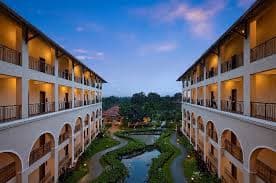
Marriott signed 102 hotel agreements in South Asia in 2025, representing more than 12,000 rooms and a 143% increase in deal volume versus 2024, with India accounting for 99 of those contracts and reshaping regional accommodation capacity.
Deal and pipeline snapshot
By year-end 2025 Marriott International (NASDAQ: MAR) reported operating 219 properties in South Asia, supported by a development pipeline of 157 projects with more than 27,000 rooms. The signed deals in 2025 translated into a 76% year-on-year increase in rooms, underscoring faster capacity addition alongside improved revenue metrics such as double-digit RevPAR growth and robust ADR performance.
| Metric | 2025 | Change vs 2024 |
|---|---|---|
| Signed deals (count) | 102 | +143% |
| Rooms in signed deals | 12,000+ | +76% |
| Properties in operation | 219 | — |
| Development pipeline (properties) | 157 | — |
Geographic and brand distribution
The portfolio balance indicates a mix across metropolitan hubs and secondary cities. Mumbai, Delhi NCR, Bengaluru, Hyderabad and Pune remain anchor markets, while expansion into emerging urban centres is visible in Ahmedabad, Coimbatore, Kochi, Dehradun and Surat. Conversions and portfolio deals contributed nearly half of all signings, signaling investor confidence in repositioning existing assets.
📚 You may also like
- Country concentration: India — 99 of 102 signings.
- Brand split: 13% luxury; 31% premium; 56% midscale and select-service.
- Notable openings: The Westin Jaipur Kant Kalwar Resort & Spa (Marriott’s 200th property in India), Moxy Kathmandu, The Soaltee Kathmandu, Series by Marriott™ conversions from Fern Hotels & Resorts.
Operational drivers and strategic partnerships
Management cited several structural drivers for the acceleration: rising domestic consumption, rapid infrastructure development, and increasing owner confidence. Rajeev Menon, President, Asia Pacific excluding China, highlighted that the market is entering “a structurally different phase of growth” driven by these longer-term trends. Portfolio diversification—across conversions, new-builds and multiple brands—reduces single-market exposure and accelerates time-to-market for inventory additions.
Corporate alliances and demand stimulation
Marriott’s strategic tie-ups with Flipkart and the International Cricket Council (ICC) were identified as demand-stimulating initiatives designed to deepen customer engagement across lifestyle and cultural touchpoints and strengthen the Marriott Bonvoy ecosystem. These partnerships aim to convert event-driven footfall and ecommerce audiences into repeat hospitality demand.
Historical context and development trajectory
Marriott’s acceleration in 2025 builds on a multi-year strategy of franchise and management expansion across South Asia. Historically, major international chains relied on gateway cities for initial scale; the last decade, however, saw a shift toward secondary-city penetration as domestic travel rose. Marriott’s current pipeline and conversion approach reflect a broader industry pivot toward asset-light growth models that leverage brand management rather than outright ownership.
Key milestones in this trajectory include a progressive increase in conversion deals that deliver near-term openings, and a sustained brand ladder strategy where guests can move between midscale and luxury offerings within the same loyalty programme. The 2025 conversions of 26 hotels from the Fern Hotels & Resorts portfolio to Marriott brands illustrate how portfolio acquisitions and rebranding accelerate market presence.
Implications for urban and coastal infrastructure
Large-scale hotel additions affect local transport and utility logistics, particularly in coastal cities and growing secondary hubs. New properties require coordination with municipal planning for access roads, water supply, sewage, waste management and last-mile connectivity to transit nodes—factors that can determine opening timelines and operational costs. In port cities or regions with marine tourism potential, hotels often catalyse supporting infrastructure such as marinas, shore power connections and boat access amenities.
Operational considerations for owners and operators
- Conversion timelines vs new-build lead times and associated regulatory approvals.
- Utility and logistics capacity planning in emerging hubs.
- Brand positioning to capture domestic leisure, business travel and event-driven demand.
Forecast and tourism significance
Given the scale of signings and the sizeable pipeline, the near-term outlook suggests continued expansion in supply across both primary and secondary markets. If demand growth—driven by domestic consumption, improved air connectivity, and event partnerships—sustains, the region could expect further RevPAR and ADR gains. For international tourism, increased branded inventory enhances destination product depth, making cities and coastal resorts more attractive to high-value travellers and international groups.
From a practical perspective, the increased footprint of branded hotels is likely to accelerate complementary investments in transport and leisure amenities. Coastal destinations that receive new luxury and premium hotels may see faster development of marinas, waterfront promenades and active water-sports offerings, while inland and lake destinations could benefit from improved logistics and packaged excursions linking hotels to natural attractions.
Potential risks
- Supply outpacing demand in secondary markets could compress yields.
- Regulatory or infrastructure delays may slow openings and increase costs.
- Concentration in a single country elevates exposure to localized economic shifts.
Conclusion and relevance for boating and coastal leisure
Marriott’s 2025 surge — 102 signed deals, 12,000+ rooms, 219 properties in operation and a 157-property pipeline — is a clear signal of accelerated hospitality capacity building across South Asia, led overwhelmingly by India. This expansion is not just about rooms: it alters the landscape of urban and coastal infrastructure, event-driven travel, and lifestyle amenities. As new hotels open, especially in coastal and waterfront locales, opportunities for yachting, marina development, and marine activities often follow.
For leisure travellers and industry stakeholders considering future yacht and charter activity, the proliferation of branded hotels can mean better onshore services for crews, improved access to beaches and marinas, and more packaged itineraries linking hotel stays with boat and water-based experiences. Whether planning a seaside escape, a fishing trip, or a superyacht charter, the combination of new hotels and upgraded infrastructure will shape demand for marinas, captain-led excursions, and sailing activities across prominent Indian and South Asian destinations.
For travellers seeking to rent a boat or plan yachting activities alongside new hotel openings, GetBoat.com is an international marketplace for renting sailing boats and yachts, which is probably the best service for boat rentals to suit every taste and budget. The platform can connect visitors to a broad range of offerings—from small leisure charters to superyacht experiences—across coastal destinations, marinas and gulf waters, supporting activities like fishing, cruising the sea or ocean, and exploring beach and lake frontages as new hospitality supply comes online.