GMDSS: Modern Safety, Comms and Offshore Preparedness
Alexandra
Regulatory milestones and automated distress systems
On 1 February 1999 the mandatory listening watch on 2182 kHz for SOLAS ships was discontinued and by 2005 the transition away from continuous VHF Channel 16 listening was largely complete, shifting the maritime safety model toward automated digital alerts and satellite acknowledgements under the GMDSS framework.
The evolution of maritime safety
The historic practice of an aural watch—an operator with headphones listening for Morse or voice through atmospheric static—was fundamentally limited by human endurance and propagation variability. SOLAS recognised these vulnerabilities and pushed for automated distress handling: digital selective bursts, satellite pings, and redundant terrestrial systems that ensure a distress alert is not dependent on a single voice or a single listener.
Core components of the GMDSS infrastructure
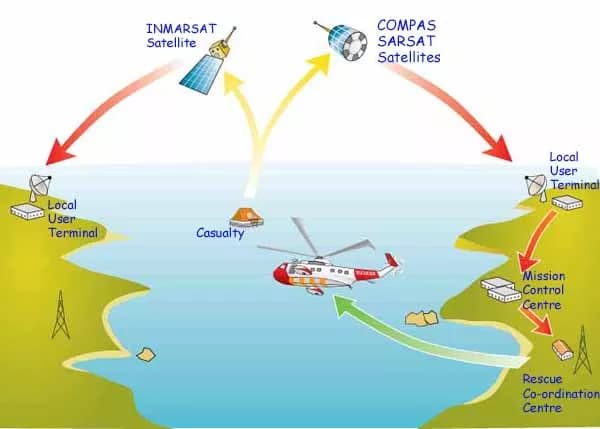
GMDSS is best understood as a system of systems delivering three primary functions for offshore craft: alerting, search and rescue coordination, and dissemination of Maritime Safety Information (MSI).
📚 You may also like
- Terrestrial radios — VHF, MF, HF with DSC for regional coverage.
- Satellite services — Inmarsat and Cospas-Sarsat historically, now expanded to include Iridium Certus for true global reach.
- Beacons and transponders — EPIRBs, SARTs, and AIS-SART for local recovery and satellite alerting.
Sea Areas and required equipment
Equipment obligations are defined by Sea Areas, which reflect the range of shore-based and satellite services rather than political boundaries. Match your gear to the area you plan to transit.
| Area A1 | Within VHF coast station range (~20–30 nm) | VHF DSC |
| Area A2 | Within MF coast station range (to ~100 nm) | MF DSC |
| Area A3 | Within Inmarsat satellite coverage (70°N to 70°S) | Satcom or HF DSC |
| Area A4 | Polar regions beyond 70° latitude | HF DSC with NBDP |
Blue-water cruisers crossing oceans typically operate in Area A3, requiring satellite alerting and often HF capability.
DSC and MMSI: the digital handshake
Digital Selective Calling (DSC) transmits a data burst that includes the vessel's MMSI—a nine-digit identifier acting like a telephone number for a boat. A distress action sends MMSI and, if interfaced to GPS, precise coordinates and the nature of the emergency, removing human errors in stressful situations. DSC also supports targeted calls so a vessel can page a specific ship without open-channel broadcasts.
EPIRBs, SARTs and local recovery
EPIRBs operating on 406 MHz alert Cospas-Sarsat satellites and rescue coordination centres. Modern units often integrate AIS-SART, which shows an accurate position on nearby vessels' chartplotters—dramatically improving local recovery versus legacy radar SARTs that appear as a radar blip pattern.
MSI and NAVTEX: receiving critical warnings
Prevention matters. Maritime Safety Information (MSI) supplies navigational warnings, weather forecasts, and urgent notices. NAVTEX on 518 kHz is a low-cost way to receive coastal MSI (up to ~400 nm) as stored messages. Offshore MSI also arrives via satellite SafetyNET broadcasts for those beyond NAVTEX reach.
Satellite communications: Inmarsat, Iridium and Starlink
Inmarsat remains a cornerstone of regulated maritime safety. Iridium Certus has been approved for GMDSS and offers pole-to-pole coverage and pre-emption protocols. Starlink introduces high-speed broadband to many cruising yachts, ideal for weather downloads and morale, yet it operates as a commercial service without mandated priority for distress traffic.
Iridium vs Starlink: safety vs speed
Most modern yachts will benefit from a hybrid approach: use Starlink for entertainment and high-bandwidth tasks, and Iridium or Inmarsat for the safety-critical, guaranteed-priority links. The GMDSS philosophy prioritises pre-emption and guaranteed delivery—features commercial networks do not routinely offer.
Legal requirements and certification for leisure craft
SOLAS applies to large commercial vessels, but national authorities set rules for leisure craft. Certificates like the RYA Short Range Certificate (SRC) or the Long Range Certificate (LRC) are important for operators of DSC, MF/HF radios and satellite terminals. Keep radio licences current and ensure EPIRB HEX IDs and MMSIs are accurately recorded.
Integrating GMDSS with modern boat electronics
GMDSS gear must be part of the onboard network: VHF, AIS and GNSS should be linked via NMEA 2000 or similar so distress alerts carry the best available position. Consider antenna placement, power supply resilience, and electrical segregation to avoid failing radios when other systems draw peak current.
Installation and maintenance checklist
- Verify EPIRB registration and battery expiry dates.
- Test DSC functions and ensure MMSI is programmed correctly.
- Inspect antenna coax for corrosion and maintain proper grounding.
- Keep HF tuning and power management in good condition for long-range comms.
- Schedule regular software/firmware updates for satcom and chartplotters.
Maintenance is not optional: a failed antenna, dead battery, or corroded connector can render the best equipment useless. Routine bench tests and full-system drills should be part of any offshore passage plan.
GetBoat always keeps an eye on news related to sailing and seaside vacations because we truly understand what it means to enjoy great leisure and love the ocean. The service values freedom, energy, and the ability to choose your own course — placing no limits on a good life and helping clients find a vessel to match preferences, budget and taste by offering detailed listings, make and model information, and transparent ratings.
Provide a short forecast on how this news could impact the global tourism and travel map. While the technical evolution of GMDSS primarily affects safety and operational standards rather than immediate tourism flows, improved satellite safety and connectivity can make remote cruising more attractive and accessible. Start planning your next seaside adventure and make sure to book the best boat and yacht rentals with GetBoat before the opportunity sails away!
The most important takeaways: automated distress alerts, redundancy across terrestrial and satellite layers, and the practical need to match equipment to your Sea Area. Experiencing a new coastal region is multifaceted—you learn about culture, nature, the indescribable palette of local colors, its rhythm of life and the unique aspects of local service. If you are planning your next trip to the sea, you should definitely consider renting a boat (boat rentals, rent a boat, rent a yacht), as each inlet, bay, and lagoon is unique and tells you about the region just as much as the local cuisine, architecture, and language GetBoat.com
In summary, modern GMDSS practice ties together EPIRBs, DSC, NAVTEX, satellite comms and proper certification to create a resilient safety architecture for offshore sailors. Proper installation, regular maintenance and a layered satcom strategy (speed where possible, guaranteed safety where necessary) are the pillars of safe cruising. For sailors and charterers seeking yachts and boats for rent or sale, platforms that emphasise transparency and detailed listings make planning easier. Whether you're scanning marinas for a superyacht or a modest sailboat for clearwater bays, consider the role of safety gear, a knowledgeable captain, and reliable comms in your trip. Chart your course.


