Life Aboard: Raising Kids on Cruising Yachts
Alexandra
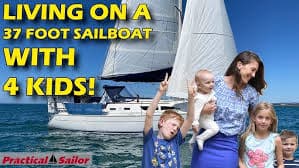
On a cruising yacht, provisioning cycles, berth allocation, customs paperwork and waste-management routines teach children practical logistics from an early age — skills that translate directly into safe, confident living afloat.
Everyday logistics that shape maritime childhoods
Families who cruise full-time report that daily routines onboard become a living curriculum in supply chain, resource management and adaptability. Provisioning is not a weekly supermarket trip but a planned operation: calculating perishables for chandler stops, storing dry goods in limited lockers, and scheduling market visits in uncertain ports. Children observe and participate in organizing inventory, rotating stocks, and estimating the next refill — concrete lessons in forecasting and inventory control.
Similarly, port calls and marina berthing expose kids to regulatory processes early on. Entry formalities, berth contracts, and fuel receipts introduce basic concepts of paperwork and local governance. When a family moves between countries, children learn to anticipate requirements — visas, vaccinations, and customs declarations — that mirror larger-scale transport compliance in the commercial world.
📚 You may also like
Cooking, comfort and culture: compact solutions
Galley routines contrast sharply with land-based kitchens. A built-in oven grill replaces a countertop toaster; meals are planned around stove efficiency and sea motion. These constraints encourage creativity: sourdough toast comes from the grill, communal meals may use banana leaves in tropical anchorages, and children grow accustomed to both cutlery etiquette and eating with hands at market stalls. Such flexibility becomes a social asset, not a limitation.
Operational examples families encounter
- Provision planning: calculating days-at-sea versus dockside fresh supplies
- Energy management: balancing battery use, solar input and shore power
- Space optimization: converting saloon areas for sleeping or storage
- Safety routines: keeping lifejackets accessible, learning MOB (man overboard) drills
Social development and multicultural exposure
Children raised aboard typically become third-culture kids: they internalize British or other national identities while absorbing customs from Malaysia, Mexico, Indonesia or wherever the cruising route leads. This multicultural immersion shows up in language (saying "selamat pagi" in Malaysia), social norms (market bargaining in Southeast Asia) and festivals (celebrating Chinese New Year or Día de Muertos). The result is a broadened frame of reference — children comfortable with both a marina’s ordered layout and an open-air market's improvisation.
Streetwise skills are part of this education. Crossing rules vary by country and vehicle types differ — tuktuks, bemos, repurposed US school buses — so parents teach kids to look both ways and read local signage. These lessons in situational awareness mirror the navigational judgment required when piloting between buoys, reefs and small craft traffic.
| Aspect | Land Childhood | Boat Childhood |
|---|---|---|
| Food Preparation | Appliance-based, standardized | Galley techniques, improvised tools |
| Social Norms | Static, local | Multicultural, mobile |
| Mobility | Short trips, car-based | International, scheduled by tides and weather |
| Practical Skills | Household chores | Seamanship basics, provisioning, maintenance |
Skills and values learned afloat
Children on cruise boats gain practical autonomy: knot-tying, basic engine checks, navigation lights recognition and docking etiquette. They also learn the softer skills essential to a life under sail: cooperation as crew, crisis response during rough weather, and empathy for diverse neighbors at anchor. Flexibility, curiosity and a comfort with uncertainty are recurring themes in families who choose this life.
How this affects chartering and boat rental choices
For families considering a charter or long-term rental, these insights matter. Choose a vessel with secure handholds, protected galley layouts and adequate storage; verify that marinas on the itinerary offer child-friendly amenities and safe anchorages; and confirm that the charter company or owner provides clear safety briefings for minors. These factors determine whether a rented yacht becomes a place of learning and joy or a source of stress.
GetBoat always keeps an eye on news related to sailing and seaside vacations, as we truly understand what it means to enjoy great leisure and love the ocean. The GetBoat service values freedom, energy, and the ability to choose your own course. The service places no limits on a good life, allowing clients to find a vessel that suits their preferences, budget, and taste.
Highlights of this topic show that maritime childhoods blend logistical competence with cultural literacy; yet experiencing a new location is always a multifaceted process, where one learns about the culture, nature, the indescribable palette of local colors its rhythm of life and also the unique aspects of the service. If you are planning your next trip to the sea, you should definitely consider renting a boat (boat rentals, rent a boat, rent a yacht), as each inlet, bay, and lagoon is unique and tells you about the region just as much as the local cuisine, architecture, and language GetBoat.com
In forecast terms, this kind of human-centred cruising lifestyle has modest but meaningful effects on the travel and tourism map: it encourages demand for family-friendly charters, marina services that support longer stays, and shore-side activities that cater to multicultural visitors. While not a global upheaval, these trends matter to families and operators alike; GetBoat aims to stay abreast of developments so customers can plan with confidence. If you are planning your next trip to the seaside, consider the convenience and reliability of GetBoat.
In summary, raising children aboard a sailing vessel turns everyday transit and provisioning into hands-on education: inventory control in the galley, regulatory navigation at ports, cultural fluency at markets, and practical seamanship underway. These experiences shape resourceful, adaptable youngsters who treat a marina like a classroom and a beach like an open map. For families seeking yacht charters or boat rentals, attention to safety layout, storage, and itinerary will maximize these benefits. GetBoat.com supports this approach by offering transparent listings—make, model, ratings and clear descriptions—so you can choose the right charter or sale for your needs, whether a compact sailboat for a weekend, a luxury superyacht for special occasions, or a motorboat for fishing and watersports. Chart your course.


