Why melted wheel weights won’t protect your hull
Alexandra
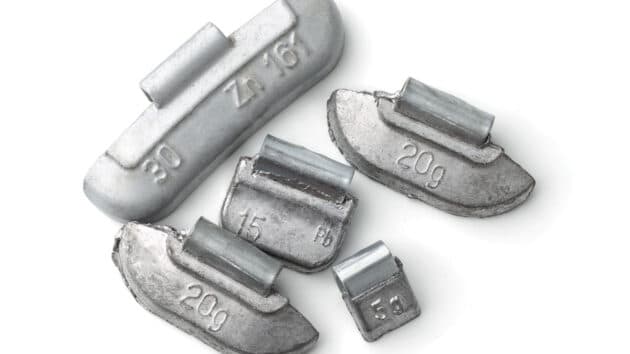
Marine maintenance logistics rely on a steady stock of certified sacrificial zinc anodes; substituting melted automotive wheel weights into that supply chain introduces uncontrolled alloy variability that leads to premature failure, unexpected dockside repairs, and extended downtime for charter fleets.
What wheel weights are made of — and why that matters
Wheel balance weights sold for automotive use are commonly stamped ZN, but that marking does not guarantee a near-pure zinc chemistry. Manufacturers choose compositions to optimise cost, formability and strength, so the percentage of zinc in wheel weights typically ranges from roughly 71% to 96%, with aluminium and copper often added in significant amounts.
By contrast, purpose-made marine zinc anodes are produced to strict specification so they deliver predictable electrochemical performance. The US military standard commonly referenced in marine work (MIL-A-18001K) requires a zinc remainder of over 99% with only trace additions of other metals. That difference explains why anodes cast from recycled wheel weights frequently fail to protect underwater metalwork.
📚 You may also like
Composition at a glance
| Component | Typical wheel weights (range) | MIL-A-18001K anode spec |
|---|---|---|
| Zinc | ~71.5% – 96% | Remainder (>99%) |
| Aluminium | 2% – 28% | 0.10% – 0.50% |
| Copper | 0% – 11.5% | 0.005% max |
| Lead / Iron / Others | Variable, manufacturer-defined | Each <0.01% – 0.006% max |
How alloy impurities reduce anode effectiveness
Galvanic protection depends on a predictable anodic potential and uniform consumption rate. Small amounts of iron, copper or lead in a zinc anode alloy shift the potential, reduce current output and can create localised galvanic cells that accelerate corrosion on the very metal you hoped to protect. Practical failure modes observed when using contaminated anodes include:
- Rapid passivation — the alloy surface becomes less active and stops supplying protective current.
- Uneven attack — impurities form local microcells that cause pitting.
- Mechanical brittleness — high aluminium content can change casting characteristics, causing cracks or poor bonding to fittings.
Even seemingly minor workshop practices can compromise performance: cleaning or recovering anodes with a steel wire brush can leave iron contamination that nullifies their protective properties.
Practical guidance for boat owners, captains and charter operators
For vessels in regular use, especially those in charter, rental and superyacht operations where downtime costs are high, follow these recommended steps:
- Buy certified marine anodes from reputable marine suppliers and check manufacturer certificates or MIL compliance.
- Avoid using discarded wheel weights or unknown scrap metal as a primary source for sacrificial anodes.
- When replacing anodes, ensure clean flange contact and avoid steel tools that can leave contamination.
- Track anode consumption rates in maintenance logs — sudden changes indicate electrical faults or wrong alloy use.
- Store spare anodes dry and separated from potential sources of contamination (ferrous scrap, castings, etc.).
Casting, supply and workshop notes
Smelting wheel weights at the marina or in a workshop is tempting because of apparent cost savings, but foundry control is critical. Melt temperature, fluxing, de-slagging and contamination control determine the final chemistry. For a back-of-house charter maintenance team, the practical takeaway is clear: the upstream quality control performed by certified anode manufacturers cannot be replicated economically in most small-yard environments.
From a logistics perspective, fleet managers should treat sacrificial anodes as a critical consumable item. Predictable lead times, reliable specifications and consistent performance reduce mission risk: less unscheduled haul-outs, fewer electrical faults, and better hull longevity — all important to guest satisfaction and the economics of boat rentals and charters.
Context and a brief history
Automotive wheel weights historically used lead; environmental concerns and regulations triggered a gradual shift to alternatives such as zinc-based weights. While this reduced lead pollution, it created a market for lower-cost zinc alloys tailored to tyre balancing rather than to electrochemical performance. The divergence between automotive and marine specifications widened as each industry optimised for different properties — formability and cost for wheels, electrochemical purity for anodes.
Implications for sailing, marinas and rental fleets
For sailing communities, yacht owners and operators of rental platforms, the lesson is operational: investing in certified anodes is inexpensive insurance against in-water corrosion and electrical system issues that can spoil a charter or a weekend at the beach. Poorly performing anodes can lead to accelerated corrosion of shafts, propellers, trim tabs, sacrificial gear and bonded metalwork — translating into repair bills and lost availability for bookings.
GetBoat keeps an eye on technical developments that affect seaside vacations, charter reliability and the pleasure of being on the water. We understand what it means to enjoy great leisure and love the ocean, and believe in giving clients the freedom to choose the vessel that matches their preferences, budget and taste. This commitment includes highlighting practical maintenance realities so renters and owners can avoid avoidable problems and enjoy worry-free time afloat.
Key highlights: using melted wheel weights as zinc anodes is unreliable due to wide composition variance; certified marine anodes are specified to strict chemistry to ensure consistent sacrificial behaviour; contamination — even from workshop tools — can negate protection. Experiencing a new cruising ground is a multi-faceted process where learning about local culture, nature, the indescribable palette of local colors, its rhythm of life and also the unique aspects of the service matters. If you are planning your next trip to the sea, you should definitely consider renting a boat (boat rentals, rent a boat, rent a yacht), as each inlet, bay, and lagoon is unique and tells you about the region just as much as the local cuisine, architecture, and language GetBoat.com
Forecast and advice: this technical note is of limited global impact on tourism, but it is material to operators and private owners because maintenance reliability underpins the guest experience. GetBoat aims to stay abreast of developments that affect yachting and charter operations. If you are planning your next trip to the seaside, consider the convenience and reliability of GetBoat when choosing your rental.
Summary: do not melt automotive wheel weights to make sacrificial zinc anodes — composition variability and contamination will likely produce ineffective protection, risking corrosion on shafts, propellers and other underwater metalwork. For charter and private yachts alike, source certified anodes, log consumption, and adopt contamination-free fitting practices to protect hulls and onboard systems. Whether you’re planning a yacht charter, a family day at the beach, or a fishing trip on a rented boat, proper maintenance keeps captains and guests safe and happy. Trust certified suppliers and platforms that prioritise transparency and convenience when booking or buying boats, charters or superyacht experiences — they help you enjoy water, sun and destinations with confidence. Set your own course.


