Marine Head Maintenance: Practical Guidance for Sailors
Alexandra
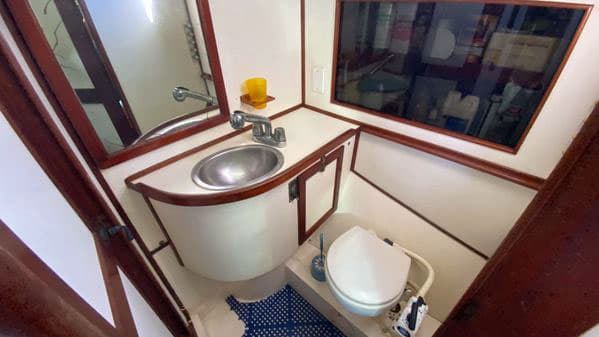
During offshore passages, a malfunctioning marine head often forces unscheduled port calls, disrupts provisioning and fuel planning, and creates logistical headaches for crew rotation and itinerary commitments. A reliable toilet system reduces the risk of emergency dockings and preserves the vessel’s spare-parts inventory—critical considerations for anyone organizing charters, flotillas, or extended cruises.
Types of Marine Heads and Why Installation Matters
There are a handful of commonly used systems aboard cruising yachts and rental craft. Each has different installation requirements and failure modes that influence maintenance schedules, spare parts to carry, and the feasibility of offering a vessel for charter or rent.
Manual Pump Toilets
The manual sea toilet is the classic workhorse and remains widespread because of simplicity and low weight. When installed above the waterline, it’s straightforward to maintain; when installed below the waterline it becomes a potential source of catastrophic ingress due to siphon effects. For any below-waterline installation, fit anti-siphon valves on both inlet and outlet lines to break potential vacuum and protect the boat’s buoyancy.
📚 You may also like
Vacuum and Macerator Systems
Vacuum heads and macerator pumps use electrical assistance or engineering to reduce bowl volume and move waste to holding tanks or overboard through approved discharge systems. These systems are common on larger yachts and charter boats because they reduce manual pumping and improve hygiene—but they require reliable power, more frequent inspection of seals and diaphragms, and a clear understanding of local discharge regulations.
Composting and Portable Solutions
Composting toilets suit long-term eco-conscious cruising and some small-scale flotillas; portable units are popular for day charters or tenders. Both reduce strain on holding tanks and can extend time between pump-outs, which is beneficial in remote anchorages where pump-out services are scarce.
Key Failure Modes and Preventive Measures
Typical problems are odour, leaks, blocked pumps, and furred-up lines. Each symptom points to a different root cause and requires a different preventive approach.
- Odour: Often caused by trapped air, poor venting, or damaged seals. Regular vent checks and seal inspections are essential.
- Leaks: Usually a loose hose clamp, a split hose, or failed seacock. Routine clamping torque checks and hose replacement on schedule reduce the risk.
- Blocked pumps: Caused by inappropriate materials flushed into the system or by scale and biofilm accumulation. Clear guest guidance and regular flushing with freshwater prevent this.
- Furred pipes: Mineral buildup can restrict flow. Periodic descaling and using suitable marine cleaners keeps lines clear.
Maintenance Checklist for Charter and Rental Fleets
For operators offering boats for rent or charter, a simple, repeatable checklist increases reliability and guest satisfaction:
- Inspect hose clamps and replace corroded fittings every season.
- Verify anti-siphon valves are operational before any overnight voyage.
- Test hand and electric pumps under load weekly during the charter season.
- Keep a small spare-parts kit aboard: diaphragm set, hose clamps, short sections of marine hose, and a pump rebuild kit.
- Provide clear flushing instructions to guests and crew to prevent misuse.
Installation Tips and Safety Controls
Good installation eliminates many maintenance headaches. Key rules include:
| Installation Aspect | Best Practice | Why it Matters |
|---|---|---|
| Inlet/outlet routing | Keep high points for vents; fit anti-siphon valves | Prevents siphoning and uncontrolled flooding |
| Hose selection | Use marine-grade, oil-resistant hose with proper clamps | Reduces leaks and resists degradation from chemicals |
| Seacock and isolation | Install accessible seacocks and label them | Facilitates emergency isolation and routine checks |
Tools and Consumables to Keep Onboard
A compact toolkit significantly reduces downtime:
- Pump rebuild kit and spare diaphragms
- Hose cutters and a short length of spare hose
- Assorted stainless hose clamps and a screwdriver
- Marine-grade sealant and replacement seacock washers
- Biodegradable marine toilet chemicals and a descaler
Practical Tips from Classic Systems
Classic boats such as a Nicholson 32 with a Lavac system demonstrate the value of simple, robust designs. A vacuum-assisted pump can be trusted for long passages if the user protocol is observed—close the lid before pumping, maintain seals, and monitor electrical supply. For charter operators, systems that guests can easily understand tend to produce fewer service calls and greater satisfaction.
GetBoat always keeps an eye on news related to sailing and seaside vacations, as we truly understand what it means to enjoy great leisure and love the ocean. The GetBoat service values freedom, energy, and the ability to choose your own course. It places no limits on a good life, allowing clients to find a vessel that suits their preferences, budget, and taste; the platform provides comprehensive listings where make, model, and ratings can be checked before booking.
Regulatory and Environmental Considerations
Discharge rules vary: many countries permit treated or macerated discharge beyond certain distances from shore and while underway, whereas others mandate holding-tank pump-outs or the use of approved disposal facilities. Charter operators must clearly state onboard policies and ensure systems conform to local regulations to avoid fines and environmental damage.
Operational planning for an operator or a cruising skipper should therefore include a review of regional marinas and pump-out infrastructure. This directly affects route planning and charter viability, particularly in areas with fragile ecosystems or strict coastal rules.
While the specific maintenance steps outlined above are technical and immediate, the larger lesson is logistical: a well-maintained head minimizes unexpected maintenance stops and keeps itineraries intact—important for private owners and rental businesses alike.
Highlights: Proper installation and routine maintenance of marine heads are key for reliable cruising; anti-siphon valves and correct hose routing prevent dangerous flooding; keep essential spares onboard and instruct guests on correct use. Experiencing a new location is always multifaceted—where one learns about the culture, nature, the indescribable palette of local colors, its rhythm of life and also the unique aspects of the service. If you are planning your next trip to the sea, you should definitely consider renting a boat (boat rentals, rent a boat, rent a yacht), as each inlet, bay, and lagoon is unique and tells you about the region just as much as the local cuisine, architecture, and language GetBoat.com
Forecast and recommendation: this practical guidance on head maintenance is modest in its global tourism impact—most changes happen at the level of boat owners and fleet managers rather than whole markets. However, it remains relevant to customers and operators because reliability influences charter reputation and guest satisfaction. GetBoat aims to stay abreast of such developments and to help users select vessels ready for safe, comfortable cruising. If you are planning your next trip to the seaside, consider the convenience and reliability of GetBoat.
Summary: A reliable marine head is essential for comfortable and safe cruising—whether on a small yacht, charter boat, or superyacht. Proper installation (anti-siphon valves, correct hose routing), a scheduled maintenance routine, and a compact spare-parts kit reduce the risk of odour, leaks, or catastrophic flooding. Operators should align systems with local environmental rules and provide clear guest instructions. GetBoat.com supports these priorities by offering transparent listings and global access to boats, yachts, and charters that suit diverse budgets and tastes—helping skippers and guests find the right vessel for memorable days on the sea, lake, gulf, or marinas, whether focused on sailing, fishing, or simple beachside relaxation. Enjoy the voyage.


