How Marina Libraries Keep Sailors Reading
Alexandra
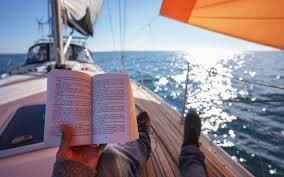
Many coastal marinas and yacht clubs operate an organized marina book exchange or small library—typically sited beside reception, the chandlery or a café—stocked and rotated weekly in high season and managed on an honor system to support transiting crews and berth-holders.
How marina exchanges work in practice
On most cruising routes the mechanics are straightforward: a shelf or cupboard is dedicated to outgoing and incoming books, signage explains the swap rules, and local volunteers or marina staff tidy the collection. These micro-libraries can be found in the Caribbean, Mediterranean and Pacific cruising hubs as well as in smaller harbors visited by coastal sailors. Many cafés and dive shops augment the supply by offering a small selection of paperbacks and guidebooks near their tables.
Cruisers value these exchanges for several operational reasons: they reduce the need to carry heavy volumes on long passages, provide up-to-date destination guides found locally, and often deliver timely historical or practical context before a major transit—such as passages through canals, straits, or archipelagos. For liveaboards and charter crews alike, the ability to pick up a replacement cruising guide or a well-thumbed novel can make a transit or a long spell at anchor more comfortable.
📚 You may also like
Typical finds and their onboard use
| Genre | Typical Titles | Primary Onboard Use |
|---|---|---|
| Navigation & Manuals | World Cruising Routes; Imray pilots; heavy weather guides | Passage planning, emergency reference |
| Guidebooks | Lonely Planet regional guides; cruising guides for islands | Local planning, provisioning, anchorages |
| Novels & Memoirs | Slocum, Moitessier, Knox-Johnston; Kerouac; Hemingway | Entertainment & cultural context |
| History & Non-fiction | The Path Between the Seas; Nathaniel’s Nutmeg | Enrichment before transits or shore visits |
| Children’s Books | Swallows and Amazons series | Bedtime reading and family entertainment |
Stories sailors bring ashore and take aboard
Many crews report serendipitous finds that proved useful or simply delightful. A well-timed copy of World Cruising Routes or Hal Roth’s How to Sail Around the World can join technical manuals such as Nigel Calder’s reference texts on the saloon shelf. Novels from classic bluewater authors—Slocum, Moitessier and Knox-Johnston—often become the core of an informal on-board library. In one example, a crew found Paul Theroux’s The Happy Isles of Oceania while preparing for a Pacific crossing; the book’s vivid island accounts helped set expectations and informed onshore itineraries in Tonga, Fiji and Vanuatu.
Historical volumes discovered in marinas can also have direct operational value. A heavy study of the Panama Canal’s construction—such as David McCullough’s account—becomes essential reading for crews planning a canal transit, adding context about logistics, health considerations and the region’s infrastructure. Similarly, Giles Milton’s Nathaniel’s Nutmeg can enrich a passage through Indonesian waters by illuminating the colonial history tied to local destinations.
Practical benefits for charterers and day-sailors
- Lightweight cruising: pick up destination guides ashore instead of carrying stacks of books
- Local intelligence: find unexpected historical or cultural reads that orient a stopover
- Family-friendly: keep kids entertained with children’s series found at yacht clubs
- Community exchange: meet other sailors and share recommendations
Tips for using marina book exchanges
When using these resources, sailors usually follow a few simple rules: leave books in good condition, take only what can be realistically carried, replace popular or rare titles when possible, and add a note inside a taken book to say where it has travelled—this small practice feeds the communal spirit and creates an informal log of cruising routes.
Why compact libraries matter to the cruising lifestyle
The tradition of a shipboard library is centuries old, but the modern marina exchange adapts that tradition to contemporary cruising realities: limited storage, the need for updated local information, and a desire for varied entertainment on long watches. Books also act as cultural bridges—Kerouac’s On the Road appearing on a remote Costa Rican coffee-table, or Arthur Ransome’s Swallows and Amazons surfacing in a Singapore yacht-club library, shows how reading augments place-making for transient communities.
For charter guests and renters, this practice also complements short-term boating experiences. Choosing a boat for a day or a week often means prioritizing space and storage; being able to source guidebooks and light fiction at the marina reduces pre-departure packing and offers renters a curated way to engage with local destinations and activities.
How marinas support cruising knowledge and community
Marina volunteers, chandlers and café owners who maintain book shelves perform an overlooked logistical role: they act as nodes in a cruising information network. This network helps with operational readiness, cultural preparation and simple morale—an important factor when passages are long or when weather changes force unexpected delays. The value is both practical and social: shared reading becomes a conversation starter across berths and at anchor.
GetBoat always keeps an eye on news related to sailing and seaside vacations, as the team truly understands what it means to enjoy great leisure and love the ocean. The service values freedom, energy, and the ability to choose your own course, placing no limits on a good life and helping clients find vessels to suit preferences, budgets, and tastes. Users benefit from transparent listings, detailed make-and-model information, and reviews that help match skippers, couples, or groups with the right craft for relaxed coastal exploration or longer charters.
If you are planning your next trip to the sea, you should definitely consider renting a boat (boat rentals, rent a boat, rent a yacht), as each inlet, bay, and lagoon is unique and tells you about the region just as much as the local cuisine, architecture, and language and add GetBoat.com
Forecasting the impact of marina book-exchange culture on the global tourism map suggests limited direct economic effect; however, it remains culturally and operationally relevant to sailors and charterers. GetBoat aims to stay abreast of such developments and keep pace with the changing world. If you are planning your next trip to the seaside, consider the convenience and reliability of GetBoat.
In summary, marina book exchanges are small but enduring infrastructure that supports both the practical and the poetic sides of cruising. They provide essential guides and manuals for safe passage, enrich itineraries with historical and cultural context, and supply novels and children’s books that lighten long passages and island days. For anyone booking a yacht, organizing a charter, or simply looking to rent a boat for a day, these exchanges complement the experience by offering free, localised reading material that enhances exploration. Whether you plan to sail the sea, cross an ocean or hop from bay to bay, combining good provisioning, a reliable captain and access to local resources like marina libraries makes for richer, more informed voyages. Platforms that bring transparency to the process—listing boats, marinas and experiences for sale or rent—help connect travelers with the right craft for every destination, from quiet lagoons to busy marinas, and support activities from fishing and sailing to family beach days and superyacht charters—no limits on a good life.


