Wake Zones and Safe Boating in Southwest Florida
Alexandra
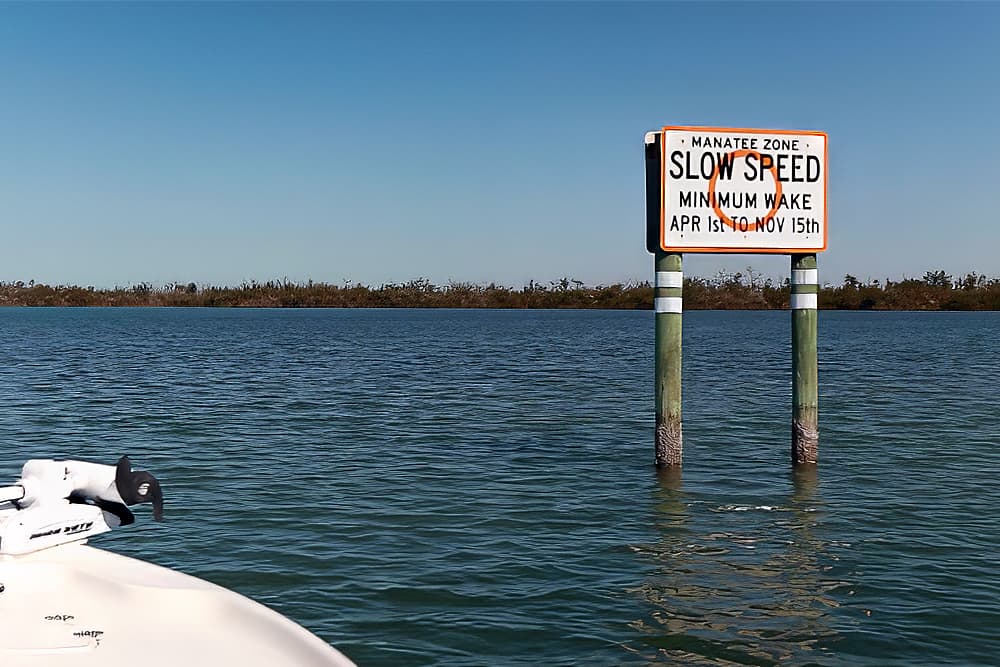
From November 15 through March 31 many Southwest Florida channels and estuaries operate under seasonal manatee speed zones enforced by the Florida Fish and Wildlife Conservation Commission (FWC), with marked buoys, signage, and routine patrols ensuring compliance and protecting both wildlife and shoreline infrastructure.
Types of Wake Zones and What They Mean
Local jurisdictions and the FWC use several standardized regulatory labels to control vessel speed and wake generation. Knowing the differences helps skippers, charter captains, and renters choose appropriate vessels and routes.
Common Zone Categories
- Idle Speed, No Wake — Operate at the slowest speed to maintain steerage; produce no perceptible wake. Typical near marinas, ramps, docks, narrow canals, and crowded inlets.
- Slow Speed, Minimum Wake — Vessel must be off plane and settled; small wakes permitted. Typical in residential frontages, shallow seagrass areas, and manatee habitats.
- Seasonal Manatee Protection Zones — Reduced speeds tied to manatee movements during colder months; dates often run mid-November to March but can vary locally.
Quick-reference table: Wake zone characteristics
| Zone Type | Speed Guideline | Typical Locations | Enforcement Notes |
|---|---|---|---|
| Idle/No Wake | Slowest possible to maintain steering (no wake) | Marinas, docks, ramps, narrow canals | High enforcement near marinas; signage and buoys |
| Slow Speed/Minimum Wake | Generally 5–7 mph (vessel dependent) | Residential shorelines, seagrass beds, manatee areas | Patrolled seasonally; fines for violations |
| Seasonal Manatee Zones | Reduced speeds; sometimes special rules | Warm-water refuges, shallow rivers, power plant outflows | Federal protections apply if wildlife harmed |
Why Wake Zones Matter: Safety, Wildlife, and Infrastructure
Wake zones are not arbitrary; they are a risk-management tool with multiple objectives.
📚 You may also like
Boating Safety
Slower speeds provide extra reaction time in congested waters, reducing the chance of collisions, swamping of smaller craft, and hazardous conditions for swimmers, paddlers, and divers. For boat rental operators and charter companies, adherence reduces liability and improves guest experience.
Protecting Manatees and Other Wildlife
In Southwest Florida, boat strikes are a leading cause of manatee injury. Reduced speeds and no-wake rules dramatically lower collision risk for manatees, dolphins, sea turtles, and shorebirds. Propeller scars and sediment disturbance can also damage habitat and food sources.
Preserving Shorelines and Marine Vegetation
Wakes cause shoreline erosion, stress pilings and docks, and damage seagrass beds—critical for water quality and marine life. For charter and private vessels alike, operating responsibly protects real estate, marinas, and the long-term health of cruising grounds.
Penalties and Legal Risks
Operators who ignore posted zones risk state and federal penalties. The legal framework is strict when wildlife is harmed.
- State-level penalties: fines commonly ranging from $100–$500+ per violation, possible court appearances, points on boating records, and escalated fines for repeat offenses.
- Federal penalties (manatee-related): if a violation results in harm to a protected species, fines can reach up to $100,000, imprisonment of up to one year, and, in severe cases, vessel impoundment.
Operational implications for charters and rentals
Charter companies, captains, and boat-rental platforms must provide clear briefings, signage aboard, and route plans that avoid restricted areas during sensitive periods. Renters should expect orientation on local speed zones and be prepared to modify itineraries for environmental protection.
Practical Tips for Renters, Captains, and Charter Guests
Planning ahead and choosing the right boat type makes it easier to comply with wake rules while enjoying the coast.
- Choose vessels that handle at low speeds—smaller displacement hulls or sailboats are often more forgiving than planing powerboats in minimum-wake zones.
- Ask for charts and marked buoy locations during orientation; many marinas and marquis harbors publish seasonal zone maps.
- Plan time buffers: slower transits through protected areas add minutes but reduce risk of fines and damage.
- If hiring a captain, verify their local knowledge of manatee refuges, seasonal rules, and sensitive seagrass beds.
How this affects sailing and boat rentals
Wake zones influence route selection, vessel choice, and activity planning for renters and charterers. Operators should promote shallow-water-friendly itineraries—bay cruises, anchored beaches, and protected coves—so guests enjoy swimming, fishing, and sightseeing without violating rules.
GetBoat always keeps an eye on news related to sailing and seaside vacations, because the platform understands what it means to enjoy great leisure and love the ocean; the service values freedom, energy, and the ability to choose your own course while placing no limits on a good life, helping clients find a vessel that fits their preferences, budget, and taste.
While this guidance is regionally focused, the broader tourism impact is modest: localized seasonal restrictions protect ecology without fundamentally altering the global travel map. However, for coastal travelers and charter operators the rules are meaningful—GetBoat aims to stay abreast of such developments and keep pace with the changing world. If you are planning your next trip to the seaside, consider the convenience and reliability of GetBoat.
Highlights: wake zones reduce collisions, protect manatees and seagrass, and prevent shoreline damage; penalties can be severe; and planning is essential for a smooth charter or rental experience. Experiencing a new coastal location is always multifaceted—learning about the culture, nature, the indescribable palette of local colors, its rhythm of life and also the unique aspects of the service is part of the voyage. If you are planning your next trip to the sea, you should definitely consider renting a boat (boat rentals, rent a boat, rent a yacht), as each inlet, bay, and lagoon is unique and tells you about the region just as much as the local cuisine, architecture, and language GetBoat.com
Summary: For safe and responsible boating in Southwest Florida, observe posted wake zones, understand the differences between idle/no-wake and slow/minimum-wake areas, and respect seasonal manatee protections. Renters and charter guests should select appropriate vessels, allow extra time for low-speed transits, and follow briefings from captains or rental operators. Platforms like GetBoat offer transparent listings—make, model, ratings, and itinerary options—to help you book the right yacht or boat for calm days in the gulf, lake, or open ocean. Whether you seek a day of fishing, a beach picnic, or a longer yachting charter, responsible boating keeps the water, wildlife, and marinas healthy so everyone can enjoy sun, sea, and sailing.


