Maine Hardwater: Safety, Species, and Seasonal Logistics
Alexandra
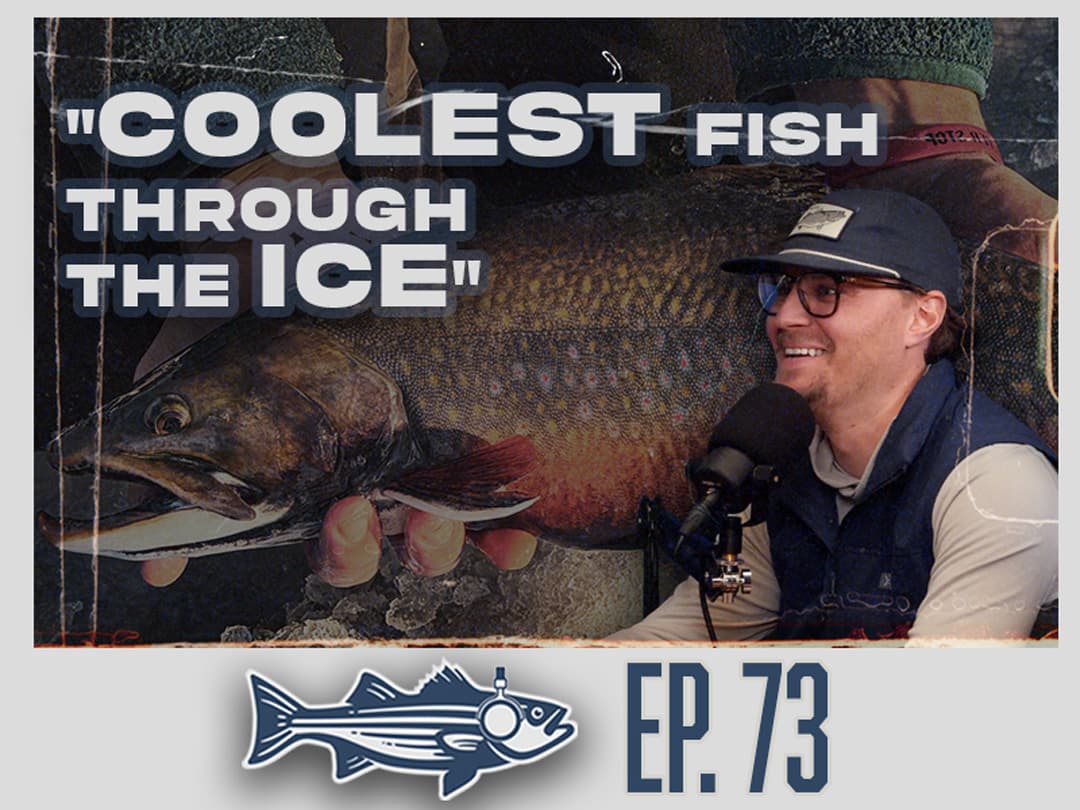
Unpredictable ice windows on Maine lakes compress the maintenance and resupply schedules for marinas, charter operators and outfitters, often forcing fuel, bait and spare-part deliveries into narrow two-week periods when ice is both thick enough to travel and thin enough to be worked without heavy equipment. Seasonal access constraints shape how operators plan vessel layup, guide logistics, and staffing for winter fishing and spring refit work.
Hardwater Safety, Thickness Guidelines, and Practical Logistics
Ice conditions vary rapidly across coastal and inland waters: black ice formed under clear, cold conditions is usually stronger per inch than bubbly, snow-laced ice later in the season. For operators who run charters, supply runs or maintain marinas, strict adherence to thickness guidelines matters for insurance and crew safety.
- Practical minimums: 4 inches for a person on foot, 6 inches for an ATV, 12 inches for a car or small truck — but these are not absolutes; local currents, springs and inlets can produce weak zones.
- Tools and PPE: Spud bars, ice picks, flotation suits and clearly marked saw-cut holes reduce risk when crews work near or on ice.
- Operational windows: Many Maine lakes support safe working windows measured in days rather than months; logistics plans must include contingency transport options by road or via smaller craft when ice deteriorates.
Field Safety Checklist for Guides and Operators
- Check multi-source ice reports and observe local wind and tide influences.
- Carry ice picks, throw ropes, and an insulated change of clothes for every team member.
- Mark saw-cut sight holes and tent camps with high-visibility flags and cones.
- Limit heavy equipment deployment to verified, tested ice paths; rotate travel routes to avoid pressure ridges or bubbles under ice.
Techniques, Electronics, and the Evolution of Hardwater Fishing
Methods range from traditional passive setups to high-tech, active hunting. The coexistence of both styles is part of the sport’s appeal and affects what charter clients ask for when booking winter trips.
📚 You may also like
- Tip-ups and traps: Passive, social, ideal for relaxed group outings where conversation and multiple lines create a communal rhythm.
- Jigging with electronics: LiveScope and 2D sonar turn ice fishing into a tactical, locate-and-strike experience favored by anglers seeking higher catch rates and precise targeting.
- Sight holes: Large saw-cut holes covered by tents allow anglers to watch fish behavior and deploy targeted presentations, often used for trout.
Core Concepts and Gear
Term | Definition |
Tip-up | A signaling device set over an ice hole that alerts when a fish takes bait. |
Jigging | Active vertical lure movement to entice strikes. |
Sight Hole | Large, saw-cut hole in ice with a tent to observe fish behavior. |
LiveScope | Forward-facing real-time sonar providing precise imaging of fish and structure. |
Dead-stick bait | Bait left motionless to entice fish that prefer still presentations under ice. |
Star of David | Nickname for the thrashing, circling fight of a brook trout at the hole. |
Species, Tactics and Taste Notes
Maine’s lakes present a diverse cold-water fishery, and each species shapes presentation, tackle and expectations for anglers and guides.
Species | Notes |
Brook Trout | Native and stocked populations; prized for bright spawning colors and distinctive fight. |
Smallmouth Bass | Aggressive fighters that provide exciting action through the ice. |
Lake Trout | Deep-water species with powerful strikes; sought in northern lakes. |
Splake | Brook × lake trout hybrid commonly stocked in Maine. |
White Perch | Brackish-origin species that fares well in ice fisheries; favored in a blind taste test over yellow perch for cleaner flavor. |
Anglers often find that dead-stick presentations outfish active lures for brook trout under ice, a reversal of open-water tendencies and an important tactic for guides advising clients.
Regional Traditions, History and Cultural Notes
Maine blends trap-style, social ice fishing with cutting-edge electronics. Bait shops in small towns commonly operate on an honor system, a throwback to a more trust-based local economy. Historically, ice blocks sawed from lakes were shipped south to supply refrigeration long before modern technology — a reminder of how winter resources once supported broader supply chains.
The film “Big Land” (Tight Loops) documents expeditions for northern brook trout and aligns with the region’s ethos: rugged trips, remote waters and a strong link between land and fish.
Moosehead Lake: Trip Timeline and Tactical Notes
Day | Activity / Outcome |
Day 1 | Exploration; drilled holes; modest finds with traps and jigging; a few 19–20 inch brook trout located. |
Day 2 | Located prime structure using Navionics and LiveScope; hooked multiple brook trout 19–24 inches using dead-stick baits. |
Following Days | Established bite windows (morning and late afternoon); consistent jigging success and several large brook trout landed. |
Why Hardwater Matters to Boating, Charters and Rentals
Seasonal ice behavior affects boat maintenance windows, charter schedules and the availability of winterized slips. Owners who store yachts, fishing boats or day boats ashore must synchronize hauling, winterization and recommissioning with limited ice-free days. For the rental and charter market, client demand shifts toward guided ice experiences and early-spring lake cruises as soon as channels open.
GetBoat always keeps an eye on developments in coastal and inland leisure so owners, captains and renters can match services to seasonal realities and enjoy the freedom of choice that defines seaside vacations.
Forecast and relevance: This set of observations is mostly regional — important to Maine and the Northeast but of limited global consequence. However, it matters to customers planning seasonal trips; understanding ice logistics can improve safety and satisfaction. GetBoat aims to stay abreast of developments and keep pace with the changing world; if you are planning your next trip to the seaside, consider the convenience and reliability of GetBoat.
Experiencing a new location is always a multifaceted process: you learn about local culture, nature, the indescribable palette of regional colors, the rhythm of life and the unique aspects of service; if you are planning your next trip to the sea, you should definitely consider renting a boat (boat rentals, rent a boat, rent a yacht), as each inlet, bay, and lagoon is unique and tells you about the region just as much as the local cuisine, architecture, and language GetBoat.com
Summary: Ice fishing in Maine combines tradition and modern technology, with safety, species behavior and logistics driving decisions for anglers, guides and marina operators. For those who love the sea and shore alike, the seasonal interplay between ice and open water impacts yacht and charter planning, boat maintenance and the timing of excursions. Platforms that offer transparent listings, detailed make and model data, ratings and clear booking options make it easier to match clients with the right vessel for lake, gulf or ocean adventures. Whether you’re seeking a fishing charter, a day sail, a superyacht charter or a small boat rental, consider factors such as captain availability, local marinas, and on-water activities — then book and set your course. yacht charter boat beach rent lake sailing captain sale Destinations superyacht activities yachting sea ocean boating gulf water sunseeker marinas clearwater fishing.


