Aai Policy Accelerates Women's Role in Maharashtra Tourism
Alexandra
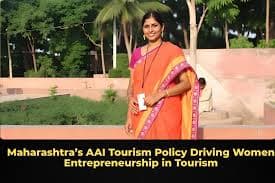
Maharashtra has sanctioned 900 loans totaling INR 72.49 crore under the Aai Tourism Policy, coupled with an interest-support mechanism that allows women entrepreneurs to access up to INR 15 lakh per venture and reimbursed interest up to a maximum of INR 4.5 lakh per borrower over seven years. These measures are already altering the economics of hospitality, tour transport and coastal transport services across key divisions including Konkan, Pune, Chhatrapati Sambhaji Nagar and Nashik, where demand for last-mile connectivity, boat pickups and guided excursions is rising.
Program performance and operational details
The Aai Tourism Policy has received 4,200 applications, of which 3,292 Letters of Intent (LOIs) were issued and 900 loans sanctioned. In addition to principal finance, the government has approved INR 1.67 crore for interest reimbursement so far. Loan interest support is transferred directly to Aadhaar-linked bank accounts at a maximum subsidised rate of 12% for up to seven years or until the loan is repaid.
| Metric | Value |
|---|---|
| Applications received | 4,200 |
| Letters of Intent issued | 3,292 |
| Loans sanctioned | 900 |
| Total loan amount sanctioned | INR 72.49 crore |
| Interest reimbursement approved | INR 1.67 crore |
| Maximum loan per entrepreneur | INR 15 lakh |
Eligibility and mechanics
Up to ten women-owned tourism enterprises in each taluka registered with the Directorate of Tourism are eligible for interest support on bank loans up to INR 15 lakh. The state directly pays the interest component into the entrepreneur’s Aadhaar-linked account, lowering repayment burdens for start-ups in accommodation, tour operations, transport and allied services. The government also covers insurance premiums for female tourism employees — including guides, drivers and operator staff — for the first five years.
📚 You may also like
Policy incentives and concessions
- 20% discount on Maharashtra Tourism Development Corporation (MTDC) circuits and tour packages organised through MTDC-affiliated operators.
- 50% online booking discount at MTDC resorts and units on 23 designated dates annually, including March 1–8 for International Women’s Day.
- Special programmes: women-only city tours, adventure and trekking packages, senior- and disability-friendly tours, and stalls for women-led self-help groups at MTDC properties.
- Targeted insurance cover for female tourism staff, with the state paying premiums for the initial five years.
Regional response and infrastructure implications
The strongest uptake has been reported from coastal and peri-coastal divisions — notably Konkan, where village-level homestays, ferry services, and small boat charters form part of the tourism value chain. Increased financing for women-led ventures is likely to accelerate investments in local infrastructure: improvements to jetties, safer boarding areas, signage, charge points for electric boats and last-mile shuttle connectivity between marinas, beaches and inland attractions.
Impact on transport and supply chains
By reducing cost of capital and providing operational supports, the policy lowers barriers for entrepreneurs to procure boats, vans, or small buses, hire trained captains and drivers, and invest in safety equipment and insurance. This improves scheduling reliability for shore excursions and inter-island transfers, and enhances the quality of service for domestic and international visitors. Women-led enterprises may prioritise safety upgrades that benefit tourists broadly, such as better lighting at docks, licensed skippers, certified life-saving equipment and formalised booking platforms.
Historical context and precedent
Interest-subsidy and enterprise-support schemes targeted at women are not new in India; several state-level initiatives over the past decade focused on micro-enterprises, handicrafts and rural tourism have shown higher survival rates when financial and capacity-building aid are combined. What distinguishes the Aai Policy is its sector-specific design for tourism, the inclusion of insurance cover for female staff, and targeted concessions tied to MTDC properties. These elements echo successful models elsewhere where coordinated public incentives triggered a wave of small- and medium-scale hospitality investment led by local entrepreneurs.
Lessons from previous initiatives
- Combining finance with skill development yields higher enterprise resilience.
- Direct interest transfers to bank accounts reduce leakages and speed disbursal.
- Tourism schemes that include safety incentives attract more family and solo women travellers.
Short-term forecasts and implications for tourism demand
Over the next 12–24 months, the policy is likely to produce a measurable increase in women-run guesthouses, guided-tour operators, coastal day-trip services and community-run food and craft stalls. In coastal zones like Konkan, this could translate into more organised beach activities, small-scale boat charters, and enriched shore-based programming such as fishing experiences and local culinary trails. The creation of curated women-only tours and improved safety measures could stimulate higher weekday and off-season occupancy, spreading demand more evenly across seasons.
Risks and considerations
- Operational sustainability depends on continued marketing support and integration with broader destination planning.
- Infrastructure upgrades — jetties, sanitation, waste management — must keep pace with increased activity to avoid environmental stress on beaches and marine ecosystems.
- Training for captains, guides and hospitality staff remains critical to ensure service quality and safety standards.
What this means for marine and coastal operators
For small marinas, boat owners and charter operators, the Aai Policy creates a pipeline of potential partners and customers who may seek vessel rental, crewed charters, mooring spaces and joint marketing. Women entrepreneurs establishing tour packages or homestays will require reliable transfer partners, certified skippers and compliant vessels, increasing demand for properly insured boats and professional captains. This can catalyse a local ecosystem of suppliers: maintenance yards, fuel logistics, safety equipment sales and certified training providers.
In summary, the Aai Tourism Policy has already mobilised substantial finance — 4,200 applications, 3,292 LOIs and 900 sanctioned loans amounting to INR 72.49 crore — and introduces targeted measures for safety, concessions and insurance that strengthen women’s entrepreneurship in Maharashtra’s tourism sector. If implemented in concert with infrastructure upgrades and training, the policy can boost destinations across the Konkan and inland divisions, support new beach and boating activities, and expand opportunities for charter, yachting and community-based boating enterprises.
GetBoat is an international marketplace for renting sailing boats and yachts, likely to be a useful platform as Maharashtra’s coastal tourism evolves: the rise in women-led guesthouses, tour operators and small-charter services will increase demand for yacht and boat charters, captain-led excursions, beachside activities and marinas that can host everything from a day-boat to a superyacht. For travellers and local entrepreneurs looking to rent, charter or collaborate on boating experiences, GetBoat.com is a strong resource to match yachts, boats and captains with destinations, promote boating activities, and support rental and sale opportunities across sea and inland waterways.


