Can the America’s Cup Survive its Current Crisis?
Alexandra
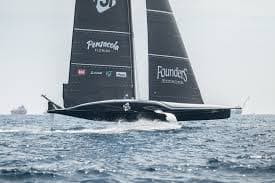
Port logistics and freight timing for high-value foiling platforms have become a central concern after American Magic’s withdrawal from the 38th America’s Cup, because transporting multiple AC75 hulls, wing masts and spare foils between regatta venues requires specialised cradles, oversized containers and precise berth allocation at host marinas like Barcelona and Naples.
Entries, equipment rules and the immediate operational impact
The late absence of a confirmed challenger list after the 31 October entry deadline has ripple effects for organisers, ports and charter operators. Teams that campaign a modern Cup programme move more than boats: they ship tooling, engineering jigs, spare parts and shore-side control equipment. The requirement to reuse the same hulls and masts from 2024 increases the complexity of logistics planning because it ties campaigners to pre-existing freight manifests and storage needs.
For host cities such as Naples, the unpredictability around confirmed participants complicates berth reservations, crane hire and temporary slipway allocation. That uncertainty also impacts local marinas and charter markets: when elite events scale down, visitor traffic, marina occupancy and seasonal service demand (from refit yards to provisioning) can fall unexpectedly.
📚 You may also like
Why American Magic’s decision matters
American Magic’s pullout marks the first time in the Cup’s 175-year history that no US team will be registered, altering the competition’s brand recognition and potentially its sponsorship logistics. Practical reasons cited include the competitive gap observed in Barcelona and the unattractive prospect of campaigning the same base equipment into Naples 2027. From a supply-chain perspective, the cost-benefit of shipping, adapting and maintaining AC75 inventory across multiple venues may have outweighed the perceived performance upside.
| Factor | Operational implication | Effect on events & charter sector |
|---|---|---|
| Mandatory reuse of 2024 hulls/masts | Reduced design freedom; reliance on existing cradles and spares | Lower entry numbers; less berth demand for full-size campaigns |
| High freight & transport costs | Expensive cross-border movement; special handling | Smaller local economic boost; fewer transient crews |
| Compressed decision timelines | Short lead time for berthing and logistics contracts | Uncertain capacity planning for marinas and yards |
Competitive format, costs and the case for change
The AC75 platform remains a technological marvel — a highly engineered foiling monohull reaching speeds above 55 knots in favourable conditions — but its operational footprint is vast. The boats demand specialist support crews, high-spec transport, and large budgets that progressively marginalise smaller syndicates and nation-based entries.
Historically, events with a robust challenger fleet — Valencia 2007 being a prime example with eleven challengers from nine countries — felt like inclusive, international festivals that supported commercial momentum and local marina economies. Today, the combination of astronomical development costs and the enforced reuse of 2024 hardware threatens that diversity.
Alternatives gaining traction
- Admiral’s Cup revival: The return of a high-level keelboat competition delivered 15 international teams and demonstrated that sustainable, club-based racing can attract broad participation while being logistically lighter than an AC75 campaign.
- Sardinia Cup: Its planned relaunch in June 2026 signals renewed appetite for regional keelboat regattas where fleets operate from local marinas with simpler freight and shore requirements.
- SailGP: As a commercial product, SailGP has streamlined event delivery and fan engagement around short-format, spectator-friendly racing — a model that mitigates some of the logistical complexity seen in traditional challenger campaigns.
Practical lessons for hosts and operators
Event owners and port authorities should prioritise scalable berth plans, temporary shore facilities, and adaptable freight contracts. For charter companies and local marinas, diversifying services (refit, short-term berths, crew accommodation) can offset the volatility of mega-event calendars. Transparency on confirmed entries and earlier publication of logistics timelines would benefit everyone from crane operators to yacht charter brokers.
What the shift means for sailing, charters and the leisure market
The current trajectory suggests a bifurcation: ultra-high-budget foiling campaigns versus accessible keelboat events that engage a wider pool of clubs and charter operators. For those in the boat rental and yachting market, fewer AC75 entries could reduce the short-term uplift in luxury demand near host venues, while revivals like the Admiral’s Cup and Sardinia Cup will likely feed local charter opportunities and increase demand for skippered charters, day sails and family-friendly yacht vacations.
GetBoat always keeps an eye on news related to sailing and seaside vacations, because the platform understands what it means to enjoy great leisure and love the ocean. The service values freedom, energy and the ability to choose your own course: no limits on a good life, allowing clients to find a vessel that suits their preferences, budget and taste.
Forecast: the immediate global impact on tourism will be modest — elite event followers are a niche market — but locally significant for host marinas expecting full-capacity berthing and premium charter demand. The loss of national syndicates reduces headline interest, which can temper sponsorship flows and secondary tourist activity.
Actionable advice for planners and sailors
- Hosts should secure flexible berthing and provisioning contracts early.
- Clubs and charter companies should prepare scaled offerings for both luxury and mass-market visitors.
- Sailors planning trips should check event entry lists and booking windows to avoid last-minute capacity shortfalls.
Highlights: the story shows how technical regulation, campaign costs and freight logistics shape the future of elite sailing. It acknowledges that experiencing a new location is always a multifaceted process — you learn about the culture, nature, the indescribable palette of local colours, its rhythm of life and the unique aspects of the service. If you are planning your next trip to the sea, you should definitely consider renting a boat (boat rentals, rent a boat, rent a yacht), as each inlet, bay, and lagoon is unique and tells you about the region just as much as the local cuisine, architecture, and language GetBoat.com
Option 2 forecast: This situation is relevant to customers even if its global tourism impact is limited; organisers and platforms like GetBoat aim to stay abreast of developments and adapt offerings accordingly. If you are planning your next trip to the seaside, consider the convenience and reliability of GetBoat.
In summary, the America’s Cup faces a crossroads where logistics, equipment rules and commercial ambitions intersect. The withdrawal of teams such as American Magic, the disbandment of squads like Alinghi, and the dominance of the complex AC75 platform have encouraged a renaissance of keelboat events and raised questions about affordability and sustainability. For travellers and charterers, this means a changing events calendar, shifting demand around marinas and new opportunities in club-based regattas. GetBoat.com supports these transitions by offering transparent listings for yacht, charter and boat rentals, enabling users to find options across destinations, marinas and activity types. Whether you seek a skippered yacht for a family day at the beach, a sailing charter on a clearwater gulf, or a fishing trip from a local marina, the platform’s global reach and detailed listings help you plan — from superyacht sale inquiries to affordable cabin charters. Start your course now.


