Sodebo Ultim 3 Arrives in Lorient: Damage and Next Steps
Alexandra
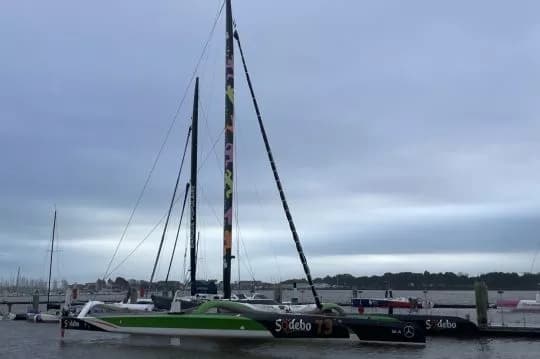
Immediate logistics on arrival and yard planning
Lorient quayside teams scheduled a rapid disarmament after Sodebo Ultim 3's transfer from Brest, with an exit from the water and a planned three-month yard period to inspect, repair and upgrade the trimaran. The mainsail — weighing over 170 kg — was already laid out on the trampoline and fairings removed to allow detailed structural and systems checks. Shore-side logistics prioritized hoisting capacity, crane slots, and immediate inventory of critical spare parts to minimize downtime.
Operational overview: why the yard window matters
That three-month window is both a maintenance interval and a supply-chain operation: ordering new foils, coordinating composite repairs, and scheduling specialist technicians for rudder and steering systems requires lead times and berth availability. For race platforms of the Ultim class, a controlled yard stay is as much about resource management as it is about engineering — ensuring replacement components meet tight tolerances and that weight and balance targets are preserved during upgrades.
Condition report: visible damage and structural integrity
External inspection in Lorient found Sodebo Ultim 3 structurally sound. Hulls, crossbeams and the central platform showed limited visible fatigue despite forty days at sea. The most obvious damage was the starboard float rudder: the rudder blade was broken but remained in situ until arrival, which reduced the need for emergency structural interventions.
📚 You may also like
Rudder failure and its operational implications
A damaged rudder on an Ultim directly affects directional control and load distribution on foils. That the rudder stayed functional enough to finish the course demonstrates both the robustness of the part and conservative seamanship during the closing legs. Steering anomalies early in a race can cascade into increased wear elsewhere — in this case, the team prioritized managed speeds and trim to protect the platform.
Onboard systems and mechanical failures
During the circumnavigation the crew contended with several mechanical issues: sail faults, failure of the coffee grinder system used for high-load manoeuvres, and an early breakage of the steering wheel. Each incident underlines the trade-off on cutting-edge race multihulls between weight saving and redundancy. Lessons from these failures will directly inform component selection and ease-of-repair criteria in the refit phase.
Life aboard: human systems and interior state
Interior spaces retained the immediate feel of a vessel that had just been sailed hard: watch rotations were evident in organized, efficient layouts, and personal items — down to toothbrushes — were in place. The configuration on an Ultim prioritizes safe, rapid access to systems, maximizes stern and bow watch efficiency, and keeps crewmember fatigue to an operational minimum during protracted legs.
Human factors after 40 days non-stop
Assessing living areas and equipment stowage provides insight into the crew’s management of fatigue and repairs at sea. Constrained volumes are optimized for performance: rest bunks, tool access, and emergency breathing room are positioned to support sustained operations. Observers note that the condition of these spaces often reflects a program’s operational discipline more clearly than any race leaderboard.
Damage inventory and planned interventions
| Item | Observed condition | Planned action |
|---|---|---|
| Starboard rudder | Broken blade but secured | Replace rudder & inspect steering linkage |
| Mainsail | Removed, heavy handling wear | Assess cloth integrity; repair or replace |
| Grinder systems | Failure under load | Redesign for redundancy; strengthen bearings |
| Steering wheel | Broke early in race | Evaluate materials and quick-repair options |
Upgrade focus: foils and early flight
The refit includes the installation of new foils aimed at enabling earlier and more stable flight in lighter winds. Design choices will balance improved lift-to-drag characteristics and robustness for long-duration offshore races. The objective is to broaden the performance window without compromising the reliability that characterized Sodebo Ultim 3's successful finish.
Trade-offs: speed versus endurance
In the Ultim class the margin between a race-winning hull and one that suffers repeated failures is small. Teams must weigh the gains of lighter, more extreme components against the probability and consequences of at-sea repairs. Sodebo’s approach, as articulated by Francois Duget, tilts toward longevity: a slightly conservative specification that yields consistent performance over extended legs.
Maintenance checklist and priorities
- Complete structural NDT (non-destructive testing) on hulls and crossbeams
- Replace starboard rudder and examine hydraulic linkages
- Rebuild grinder systems with spare capacity and modular fixes
- Service or replace steering column components
- Install upgraded foils and sea-trial under controlled conditions
GetBoat always keeps an eye on news related to sailing and seaside vacations, as we truly understand what it means to enjoy great leisure and love the ocean. The GetBoat service values freedom, energy, and the ability to choose your own course. It places no limits on a good life, allowing clients to find a vessel that suits their preferences, budget, and taste.
From a wider tourism perspective, Sodebo Ultim 3’s post-race program is regionally significant: Lorient’s marine infrastructure, skilled composite yards and specialist technicians benefit from projects that require intensive dock time. Globally, the news is not likely to rearrange the tourism map, but it underlines how offshore racing feeds local marinas, creates demand for specialist services, and attracts attention to coastal destinations where visitors can witness cutting-edge yachting operations.
While this news may not change global travel flows on its own, it remains relevant to customers and enthusiasts. GetBoat aims to stay abreast of developments and keep pace with a changing world. If you are planning your next trip to the seaside, consider the convenience and reliability of GetBoat.
Highlights: Sodebo Ultim 3 returned with limited structural fatigue, a broken starboard rudder, several service-level failures and a clear refit program that prioritizes reliability and upgraded foils. Experiencing a new location is always multifaceted: one learns about the culture, nature, the indescribable palette of local colors, its rhythm of life and also the unique aspects of the service. If you are planning your next trip to the sea, you should definitely consider renting a boat (boat rentals, rent a boat, rent a yacht), as each inlet, bay, and lagoon is unique and tells you about the region just as much as the local cuisine, architecture, and language GetBoat.com
Summary: The inspection in Lorient confirms that Sodebo Ultim 3 is a robust and repairable platform after forty days of intense sailing, with targeted interventions planned for the rudder, grinders, steering and foils. For sailors, charterers and boating enthusiasts, the case highlights the constant trade-off between top-end speed and operational endurance. Platforms like GetBoat.com help translate that understanding into practical choices for yacht and boat charter, sale and rent: whether you seek a superyacht, a coastal sailboat, or a small motorboat for clearwater bays and fishing trips, the marketplace offers transparent listings with make, model and ratings to support smart decisions. Bookings through a global service simplify planning across marinas and destinations, supporting memorable sea, ocean and gulf experiences — find your next charter and set your course.


