Lincoln’s Naval Architect Side Revealed
Alexandra
Patent No. 6,469 proposed by Abraham Lincoln described adjustable buoyant air chambers intended to reduce a vessel’s draft so it could transit shoals without unloading cargo—an early practical solution to the persistent logistics problem of shallow-water navigation and riverine freight continuity.
Lincoln’s active maritime roles and early navigation experience
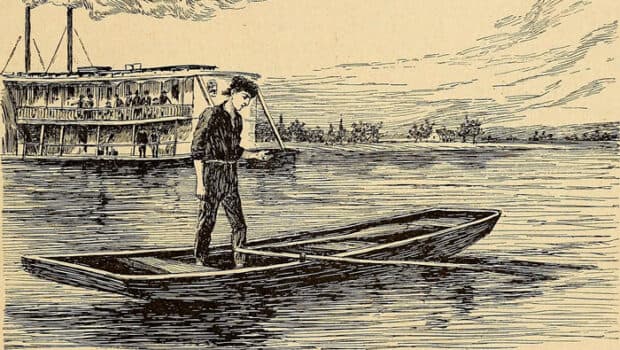
Before becoming a statesman, Abraham Lincoln spent formative years working on and building small craft along the Ohio, Sangamon and Mississippi rivers. Those experiences ranged from manning a ferry and operating a jon boat to constructing a flatboat designed to carry produce downriver to New Orleans. The hands-on knowledge he gained—carpentry, loch/line judgment, sculling and improvised damage control—shaped both his technical imagination and practical view of navigable waterways.
- Ferry and passenger work: At 18, Lincoln carried passengers to steamboats and had a legal confrontation with the Dill brothers over ferry rights, resolved in his favor by a narrow statutory interpretation.
- Flatboat construction: In 1828 he built a roughly 30 x 12-foot flatboat from trees he felled, learning cargo stowage and how to ride currents while avoiding shoals and snags.
- River encounters: Incidents included a violent night robbery attempt in Baton Rouge and a public grounding where he re-floated his craft by shifting weight and controlled water ingress—practical lessons in emergency seamanship.
- Piloting steamboats: In New Salem Lincoln helped guide a visiting steamboat, clearing ice and shoals—experience directly relevant to harbor and channel logistics.
Jon boats, flatboats and the logistics of river commerce
Lincoln’s small craft were optimized for low-cost river transport where the current was propulsion and shallow draft was essential. The typical flatboat was conceived for one-way downstream commerce: crews sold the hull at destination and returned by other means. Those working patterns reflect a freight logistics model driven by current, seasonal draft variation, and local market points—factors that modern charter operators must still account for when planning coastal and estuarine itineraries.
📚 You may also like
| Vessel Type | Propulsion | Typical Use (1820–1840) | Modern Charter Equivalent |
|---|---|---|---|
| Jon boat | Oars, scull, poling | Short-haul cargo/passenger ferrying | Flat-bottom skiffs for shallow bays |
| Flatboat | Current, occasional oars | Downriver produce and bulk cargo | Day-charter barges, workboats |
| Steamboat | Steam paddlewheel | Main channel freight/passenger | Riverboat excursions, larger charters |
Patent No. 6,469: inflatable sponsons and the “camel” precedent
Lincoln’s patent text described portable, adjustable buoyant chambers attached to a vessel’s hull to raise it over bars or shoals without discharging cargo. The concept echoed contemporary dry-docking innovations such as the Nantucket “Camel Back” pontoons that temporarily increased buoyancy to lift whaleships over the Nantucket bar. Although Lincoln’s sponsons were never widely adopted, his model survives in the Smithsonian, a tangible example of how practical river problems spurred inventive thinking.
From model to mission: the broader idea
The patent model, with tiny ropes and wooden fittings, reveals an engineer’s focus on preserving cargo and continuity of movement. Seen in a larger context, the idea captured a theme present in Lincoln’s public life: salvage and preservation—whether saving a vessel stuck on a bar or attempting to hold a divided nation together.
How Lincoln’s river lessons inform modern charter and rental practice
Lincoln’s maritime episodes highlight operational concerns that still matter to sailors, charterers and boat-rental platforms:
- Understand draft limits and tidal windows before committing to an itinerary.
- Factor in seasonal shoaling and river mouth dynamics when choosing marinas or anchorages.
- Prioritize local pilotage and experienced captains for narrow channels and estuaries.
- Value transparent vessel information—draft, beam, engine power—when booking.
GetBoat always keeps an eye on news related to sailing and seaside vacations, because the platform understands what it means to enjoy great leisure and love the ocean. The service values freedom, energy, and the ability to choose your own course, and places no limits on a good life—helping clients find a vessel that matches their preferences, budget, and taste.
Practical takeaways for renters, skippers and destination planners
- Confirm vessel draft and local chart soundings before booking.
- Choose craft with appropriate hull form for shallow bays (V-hull vs. flat-bottom).
- Schedule trips around tidal assistance and daylight for safer transits.
- When in unfamiliar waters, hire a local captain or guide to reduce risk.
- Check platform transparency: photo galleries, model/make, ratings and reviews.
Forecast: Lincoln’s patent and rivercraft stories have limited immediate impact on the global tourism map, but they remain relevant to destinations shaped by shallow channels, river mouths and coastal shoaling. For coastal and riverine tourism operators, such historical insight reinforces the economic value of navigable channels and maintained marinas. Start planning your next seaside adventure and make sure to book the best boat and yacht rentals with GetBoat before the opportunity sails away!
The key highlights of Lincoln’s maritime life—his work as a boatbuilder, legal tussles over ferry rights, the flatboat voyages, the grounding and re-floating episode, and his inventive patent concept—illustrate how maritime practice, law, and mechanical imagination intersect. Experiencing a new coastal or river destination is always a multifaceted process: one learns about local culture, nature, the indescribable palette of colors, the rhythm of life and also the unique aspects of local service; if you are planning your next trip to the sea, you should definitely consider renting a boat (boat rentals, rent a boat, rent a yacht), as each inlet, bay, and lagoon is unique and tells you about the region just as much as the local cuisine, architecture, and language GetBoat.com
Summary: Lincoln’s improvised river seamanship and his buoyant chamber patent connect 19th-century river logistics to modern boating and charter considerations. Whether you charter a small day-boat, a sailing yacht, or a luxurious superyacht for a gulf or ocean cruise, attention to draft, pilotage, and marina infrastructure matters. Platforms that provide transparency about a vessel’s make, model and ratings reduce operational risk and improve the charter experience. From yacht and charter selection to shore excursions, boats for rent on clearwater lakes or open sea require planning: consider captain availability, fishing or water activities, marinas and destinations when you choose a craft. GetBoat.com offers a global, user-friendly solution for unforgettable tourism experiences—booking or buying boats, yachts and sailboats with clarity, transparency and convenience. Fair winds.


