7th Heaven and Peak Chair: The Alpine Lift Rivalry
Alexandra
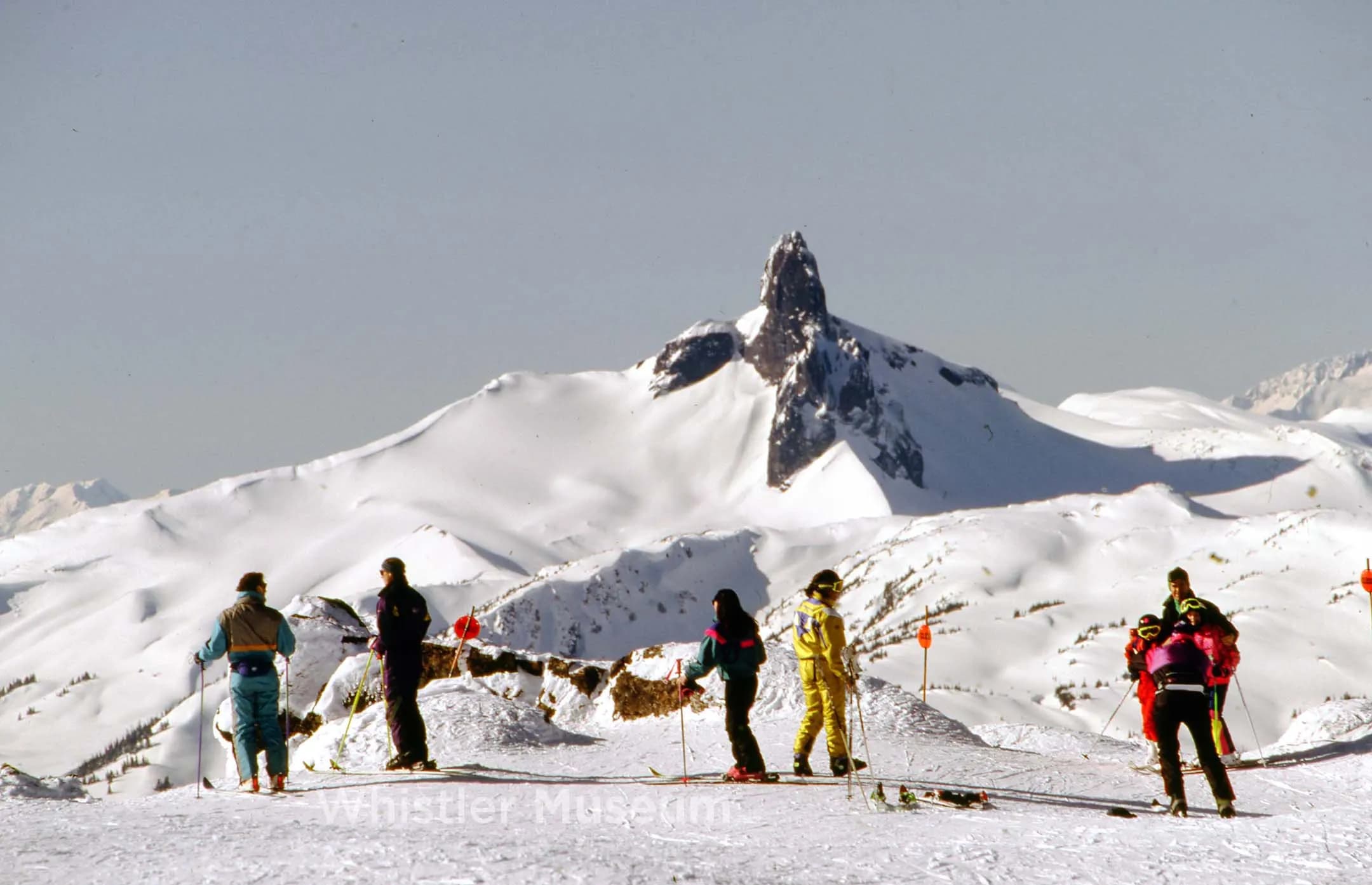
This piece examines the decades-long lift rivalry between Blackcomb’s 7th Heaven and Whistler’s Peak Chair, and how those developments altered access to high alpine terrain.
From separate peaks to a lift contest
Whistler Mountain first opened six decades ago, and Blackcomb followed in 1980. For much of that period the two resorts operated independently, though a Dual Mountain Pass did allow skiers access to both areas. The competition between them was most visible in the race to develop higher, steeper, and more dramatic alpine access—an arms race of lift technology and terrain exposure that reshaped skiing in the Coast Mountains.
Blackcomb’s bold move: 7th Heaven
In 1985 Blackcomb installed the 7th Heaven T-Bar, billed at the time as the continent’s first “Mile High Mountain.” This installation opened a vast swath of previously inaccessible terrain: glacial ridges, four powder bowls and nearly tripled Blackcomb’s skiable acreage from roughly 420 acres to about 1,160 acres. For many skiers the summit felt like a new realm; filmmaker and freeskiing advocate Mike Douglas described arriving atop 7th Heaven as being “dropped off at the edge of the world,” while Olympic champion Nancy Greene praised the area’s variety and views.
📚 You may also like
Whistler’s answer: Peak Chair
Whistler countered in 1986 with the opening of the Peak Chair, a one-kilometre, three-seater lift delivering guests near the summit at 2,182 metres. The lift deliberately exposed advanced skiers to steep, cliffed and corniced terrain; snowboarding remained unwelcome on the Peak initially, reflecting the conservative policies of some operations at the time. The Peak Chair immediately positioned Whistler for high-alpine, technically demanding lines.
Upgrades, snowboard inclusion, and the reunification
The lift rivalry continued and evolved. In 1987 Blackcomb replaced the T-bar with the 7th Heaven Express, a four-person chairlift operating on a longer line—this is substantially the lift alignment still used today. Blackcomb was also the first of the two to officially welcome snowboarders in the 1988/89 season, with Whistler following a year later amid debate over rider etiquette and mountain safety.
Merger and modernization
By 1996 the two rivals consolidated into a single entity: Whistler Blackcomb. The merger converted years of marketing competition into a coordinated resort strategy, which soon earned top accolades, including a Number One ranking in SKIING Magazine’s list of North American resorts. Further investment continued; in 1998 Whistler opened the high-speed, four-seater Peak Express, replacing the older Peak Chair with a detachable chairlift that improved uphill capacity and reduced ride times.
How access changed ski culture
The arrival of high alpine lifts changed the way people approached the mountains. Large exposures above treeline increased the demand for avalanche control and routine patrols; daily clearance and controlled explosives became part of the morning ritual for those hoping to score fresh tracks. The lifts created reliable access to challenging terrain, accelerating the growth of freeskiing culture and inspiring filmmakers, athletes and guides to explore steeper lines and glaciated bowls.
| Feature | 7th Heaven (timeline) | Peak Chair / Peak Express |
|---|---|---|
| Initial opening | 1985 (T-Bar) | 1986 (Peak Chair) |
| Major upgrade | 1987 (7th Heaven Express, 4-person) | 1998 (Peak Express, detachable 4-person) |
| Terrain impact | Expanded skiable area to ~1,160 acres; glacial bowls | High alpine access to summit terrain at 2,182 m |
| Initial user policy | Skiers only at opening | Skiers only at opening |
| Snowboard inclusion | Blackcomb welcomed snowboarders 1988/89 | Whistler allowed snowboarders a year later |
Key milestones
- 1985: 7th Heaven T-Bar opens on Blackcomb, dramatically increasing terrain.
- 1986: Whistler launches Peak Chair, creating direct summit access.
- 1987: 7th Heaven Express replaces the T-bar with a four-person chair.
- 1988–89: Blackcomb allows snowboarders; Whistler follows shortly after.
- 1996: Resorts merge as Whistler Blackcomb.
- 1998: Peak Express, a high-speed detachable chair, begins operation.
Tourism, destination identity and seasonal flows
Lift development at Whistler and Blackcomb illustrates how infrastructure choices shape a destination’s identity. By opening radical high-alpine terrain, Blackcomb appealed to powder seekers and extreme skiers, while Whistler’s Peak Chair framed the mountain as a proving ground for advanced skiing. The eventual merger created a year-round destination capable of hosting events, film crews, competitions and large-scale mountain tourism.
These shifts also influence broader travel patterns. High-capacity lifts and marquee terrain concentrate visitor demand during peak winter months, which affects lodging, transport and off-mountain activities. Visitors who split seasons between mountains and coastlines may seek radically different experiences—from powder and alpine bowls to calm lakes and beaches—altering demand cycles for destinations, marinas, and coastal activities.
Practical implications for mountain operations and travelers
- Increased lift capacity requires expanded avalanche mitigation and patrol staffing.
- High-alpine access raises guide and safety service demand for extreme terrain.
- Seasonal peaks created by spectacular alpine terrain can push travelers to combine mountain and seaside vacations in a single trip.
Whistler and Blackcomb’s lift duel transformed local topography into global terrain, attracting athletes, photographers, and visitors chasing big lines. The rivalry spurred innovation in lift technology, mountain policy and resort marketing, culminating in a unified destination that still preserves strong loyalties among guests about which side of the mountain they prefer.
Whistler Blackcomb’s history of lift innovation and alpine access offers a useful reminder that destination infrastructure shapes visitor patterns—whether those visitors pursue steep descents, lake activities or beach days—impacting everything from local services to international travel trends. GetBoat.com is always keeping an eye on the latest tourism news and how developments in mountains, lakes and coastlines influence Destinations, activities like fishing, boating and sailing, and the choices travelers make between mountain adventures and beach or clearwater escapes.


