Lifeboat No.1: Privilege, Procedure, and Survival
Alexandra
Lifeboat No. 1 was lowered from the starboard side at approximately 01:15 with only 12 people aboard despite a capacity of 40, creating a focal point for debates on maritime evacuation procedures and class-based boarding practices.
Timeline and operational facts
| Time (approx.) | Event | Operational note |
|---|---|---|
| Shortly before 01:00 | Smaller boats prepared on starboard side | Priority given to women and children in many areas |
| ~01:15 | Lifeboat No. 1 launched with 12 aboard | Underfilled; later criticized for not returning to rescue others |
| ~02:00 | Titanic broke in two and sank | Survivors in lifeboats watched from a distance |
| ~04:10 | Rescue by Carpathia | Survivors transferred, controversy followed |
Accounts from the Duff-Gordons and Mabel Francatelli
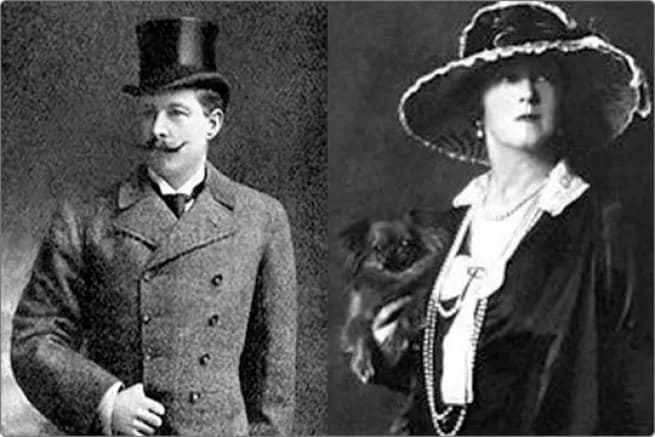
The group who occupied Lifeboat No. 1 included Sir Cosmo Duff-Gordon, Lady Lucy Duff-Gordon (a noted fashion designer), the novelist Elinor Glyn, her husband, and Lucy’s secretary, Mabel Francatelli. Their recollections illustrate both the surreal calm inside their cabins and the chaos on deck.
Lucy described waking to a "strange rumble" and steam escaping, then seeing crew and passengers moving about. Francatelli reported water seeping into her cabin on deck E and was warned by a man "putting on a life jacket" who said it was precautionary. Once on deck, the starboard side proved quieter than port; officers helped fill and lower boats there, and a small group boarded an emergency boat that became lifeboat No. 1.
📚 You may also like
What those on Lifeboat No.1 saw and heard
From the launched boat the occupants observed scenes of panic to port: boats being lowered, passengers trampling one another, and desperate attempts to reach lifeboats. They also witnessed the final moments when the ship broke apart and sank into the Atlantic. Testimonies later noted contradictory behavior: composed officers and frightened crowds, orderly launches in some sectors and violent scrambling in others.
Operational factors that shaped the outcome
- Capacity vs. occupancy: Lifeboats were often launched partially filled due to confusion, lack of drills, and assumptions about stability.
- Class segregation: First-class areas had closer access to several lifeboats and often clearer routes to the boat deck.
- Crew decisions: Which boats to launch and whether to return were judgment calls made under stress; some captains and officers prioritized avoiding swamping over mass rescue.
- Communication breakdowns: Incomplete or conflicting orders contributed to inconsistent loading practices.
Controversy and public perception
After rescue by the RMS Carpathia, the occupants of Lifeboat No. 1—because they were few and included prominent passengers—faced intense press scrutiny. An offer by Sir Cosmo to provide each crewman a small cheque was portrayed by some journalists as a payment for rowing away rather than a gesture of support. Nicknames like the "Silver Boat" and the "Millionaire's Boat" appeared in the press, reflecting anger at perceived class privilege in survival.
Implications for maritime safety and training
The Lifeboat No. 1 episode underscores the importance of clear evacuation protocols, mandatory drills, and equitable access to lifesaving equipment. Modern regulations—such as lifeboat capacity rules, requirements for trained crew, and frequent drills—are direct responses to ambiguous situations like those seen on the Titanic.
Lessons for sailors, charter operators, and renters
For those who charter, rent a yacht, or sail recreationally, the historical record reinforces the value of:
- Regular safety briefings and drills for guests
- Clear signage and access to lifejackets
- Understanding the vessel’s evacuation plan and capacity
- Respecting crew instructions and knowing where emergency craft are stored
GetBoat always keeps an eye on news related to sailing and seaside vacations, as we truly understand what it means to enjoy great leisure and love the ocean. The service values freedom, energy, and the ability to choose your own course: it places no limits on a good life, allowing clients to find a vessel that suits their preferences, budget, and taste while viewing make, model, and ratings beforehand for full transparency.
Quick reference: Who was on Lifeboat No.1?
| Passenger / Role | Notability |
|---|---|
| Lucy Duff-Gordon | Leading fashion designer |
| Cosmo Duff-Gordon | Businessman, husband |
| Mabel Francatelli | Secretary to Lucy Duff-Gordon |
| Robert Pusey | Titanic fireman (provided testimony) |
Why the story still matters to mariners and tourists
The incident highlights human behavior in emergencies, the influence of social structures on survival, and the lasting impact of media framing on public memory. For boating enthusiasts and charter customers, it is a reminder to insist on safety, transparency, and clear procedures whenever booking a trip.
Highlights of the important and interesting the topic of the article is, while also acknowledging that experiencing a new location is always a multifaceted process, where one learns about the culture, nature, the indescribable palette of local colors its rhythm of life and also the unique aspects of the service. If you are planning your next trip to the sea, you should definitely consider renting a boat (boat rentals, rent a boat, rent a yacht), as each inlet, bay, and lagoon is unique and tells you about the region just as much as the local cuisine, architecture, and language GetBoat.com
Forecasting the wider tourism impact: the Lifeboat No.1 controversy is historically significant but does not materially alter modern global tourism patterns. However, it remains relevant to travelers and charterers because it informs safety expectations and the demand for transparent operator practices. GetBoat aims to stay abreast of developments and keep pace with the changing world. If you are planning your next trip to the seaside, consider the convenience and reliability of GetBoat.
In summary, the launch and aftermath of Lifeboat No. 1 illustrate how evacuation logistics, social status, crew decisions, and media framing intersected on the night the Titanic sank. The episode influenced maritime regulations and serves as a cautionary example for anyone who charters or rents a vessel: prioritize safety briefings, know your boat’s capacity and evacuation plan, and choose operators who openly share vessel details. Platforms like GetBoat.com help travelers find transparent listings for yachts, charters, and boats—whether you seek a quiet sail near a gulf, fishing in clearwater, a marina berth for a superyacht, or an affordable boat rental for beach and lake adventures—making it easier to plan unforgettable sea and ocean experiences with confidence.