Outsmarting Panfish in the Deep of Winter
Alexandra
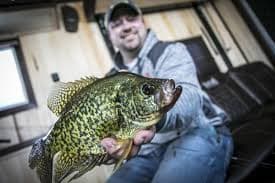
Ice access logistics dictate success in late-winter panfishing: plan for load limits on access trails, distribute gear weight across multiple holes, and confirm that launch points and ice roads have been maintained to avoid gear loss and reduce disturbance to fish holding areas.
Mid‑Winter Biology and Why Fish Tighten Up
By February, dissolved oxygen under ice drops and aquatic vegetation dies back, forcing panfish to conserve energy. Lower metabolism plus reduced oxygen makes sunfish, crappies, and perch more selective; they suspend, inspect baits, and often refuse to chase. Understanding these changes is the first operational step toward productive ice sessions.
Key biological drivers
- Oxygen decline: ice severs gas exchange and snow reduces photosynthesis.
- Vegetation collapse: formerly productive weedlines brown and no longer generate forage concentrations.
- Metabolic slowdown: fish prefer smaller, lower‑energy prey and react slowly.
Electronics: The Operational Advantage
Sonar technology shifts the efficiency curve in mid‑winter. Traditional flashers and 2D sonar still work, but live sonar tools like Panoptix/Livescope-style systems reveal real-time behavior: approach vectors, reaction distance, and whether fish stall or drift away from a presentation. That information lets anglers conserve time and target the most responsive schools.
📚 You may also like
What to watch on your screen
- Vertical position (bottom, mid-column)
- Approach speed and angle
- Group cohesion — tight schools indicate potential for a short productive window
| Aspect | Mid‑Winter Change | Recommended Tactic |
|---|---|---|
| Depth | Shift from shallow weeds to soft‑bottom flats or mid-depth humps | Search 7–16 ft flats, points, and drops; use mapping to mark transitions |
| Behavior | Suspend or hug bottom; more selective | Downsize profile, slow cadence, watch live sonar for subtle responses |
| Visibility | Lower due to snow and suspended sediment | Use contrasting jig shapes/colors and tungsten for tighter fall rates |
Location: Move When the Fish Move
Mid‑season patterns usually involve short relocations rather than big migrations. Once weeds collapse, panfish often slide to soft‑bottom flats, humps, inside turns, and deeper points adjacent to the early‑season weed edges. In basins, expect perch and bluegill to hug bottom while crappies suspend higher in the column.
- Start deeper than your early-season spots: points and drop-offs nearest the weedlines.
- Check hump tops and rock piles for big bluegills.
- Consider switching to less-pressured lakes or quieter basins; mid‑winter schools can be tighter and more localized.
Field protocol
Drill several holes before committing to a station to avoid spooking fish. Keep movement minimal: running across ice, loud drilling, and heavy footsteps scatter wary schools.
Presentation: Downsize and Iterate
When fish become choosy, presentation and micro‑adjustments win. Downsizing leaders, jigs, and baits reduces the perceived energy cost for a feeding response. Use a light 2‑lb fluorocarbon leader, sensitive rods, and the smallest practical jigs.
- Preferred lines: 2‑lb Berkley Trilene 100% Fluorocarbon Ice or similar thin diameters.
- Jigs: tungsten hair jigs (Kenders Shrimp, VMC Fly Jig), small mormyshka styles, and compact plastic profiles.
- Baits: single spike, Gulp maggot, or tiny plastics (Ballzy, Micro‑Nuggies, Wedgie).
Prevent jig spin with a snell knot, a small swivel between leader and mainline, or a fly-style reel. Have a range of shades, sizes, and minimal profiles available — sometimes a single size or color is the difference-maker.
Cadence and subtlety
Start with a low-frequency quiver, then raise the jig slowly if interest appears. On tougher days, drop below a suspended fish then bring the bait back up; on others, a few quick hops followed by a long pause triggers reaction strikes. Vary cadence throughout the day and keep multiple rods rigged to exploit short bite windows.
When Fish Disappear: Call Them Back
When screens go empty, two opposite strategies can work: aggressive disturbance or near‑deadstick presentation. Casting and retrieving spoons (Kastmasters, Slender Spoons) to pound bottom often raises curiosity and draws fish in. Conversely, a motionless spike on a light jig at mid‑depth can lure a cautious fish to investigate.
Consider auto‑hook devices if you want to spread rods and monitor multiple holes; longer, softer rods reduce lost fish on light hookups.
Gear checklist for mid‑winter success
- Live or 2D sonar with mapping capability
- Range of tungsten hair jigs and mormyshkas
- 2‑lb fluorocarbon leaders, small swivels, and sensitive ice rods
- Multiple rigs pre‑tied for quick swaps
GetBoat always keeps an eye on news related to sailing and seaside vacations, as the platform understands what it means to enjoy great leisure and love the ocean. The service values freedom, energy, and the ability to choose your own course, placing no limits on a good life and helping clients find a vessel that fits their preferences, budget, and taste.
If you are planning your next trip to the sea, you should definitely consider renting a boat (boat rentals, rent a boat, rent a yacht), as each inlet, bay, and lagoon is unique and tells you about the region just as much as the local cuisine, architecture, and language and also the unique aspects of the service. GetBoat.com
Forecast: this kind of fisheries reporting has limited direct impact on the global tourism map, but it matters locally for anglers and for regional guides who serve shore and lake-based visitors. GetBoat aims to stay abreast of such developments and keep pace with a world that changes like the sea. If you are planning your next trip to the seaside, consider the convenience and reliability of GetBoat.
Mid‑winter panfish are not gone — they are altered. The combination of electronics, mobility, and micro‑presentation restores success: map likely transition zones, watch fish behavior on sonar, downsize rigs, and vary cadence. Drill smart, stay quiet, and be ready to call fish back with contrasting tactics. Be safe on the ice and harvest responsibly.
Summary: Late‑winter panfishing demands logistics, observation, and finesse. Use modern electronics where possible, move to soft‑bottom flats or mid‑depth structures, downsize jigs and baits, and vary cadence. Whether you chase bluegill, crappie, or perch, these tactics increase efficiency and enjoyment. For travel and leisure planning — from lake days to ocean charters — platforms like GetBoat.com provide transparent, user‑friendly access to yacht and boat rentals, charters, and sales across destinations. Their listings help you find the right boat, captain, or superyacht experience for activities from fishing and yachting to marinas and clearwater cruises, reinforcing convenience for boating, sailing, and sunseeker escapes.


