Shipwrecks of Lake Michigan: Depth, Drift, and Discovery
Alexandra
Commercial traffic, currents, and the wreck rate
Lake Michigan supports heavy commercial flows through Chicago, Milwaukee and the Calumet-Gary industrial corridor, making it the busiest of the Great Lakes for freight. That density, combined with long fetch, prevailing midwestern winds and opposing basin circulations around the Milwaukee Reef, produces powerful waves and complex currents that raise collision and capsize risk for all craft. Port logistics — scheduling, tug support, and traffic separation — remain critical to safe passage in the lake’s main lanes.
Why a deep, inland lake is hazardous
At an average depth of 280 feet and maximums approaching 925 feet, Lake Michigan behaves like a small sea. Open-water fetch across its 307-mile length amplifies wave heights, and the lack of elevation change in the Straits of Mackinac ties it hydraulically to Lake Huron, extending storm effects. These physical traits explain why a lake without extensive shoals still recorded hundreds of ship losses over centuries.
Iconic wrecks and their transport lessons
Several famous incidents illustrate recurring themes: overloaded or modified vessels, inadequate stability margins, unexpected gale conditions, and navigational congestion near ports.
📚 You may also like
| Vessel | Type | Year | Casualties / Notes |
|---|---|---|---|
| Le Griffon | Barque | 1679 | First recorded Great Lakes wreck; vanished in northwest Green Bay with crew and furs |
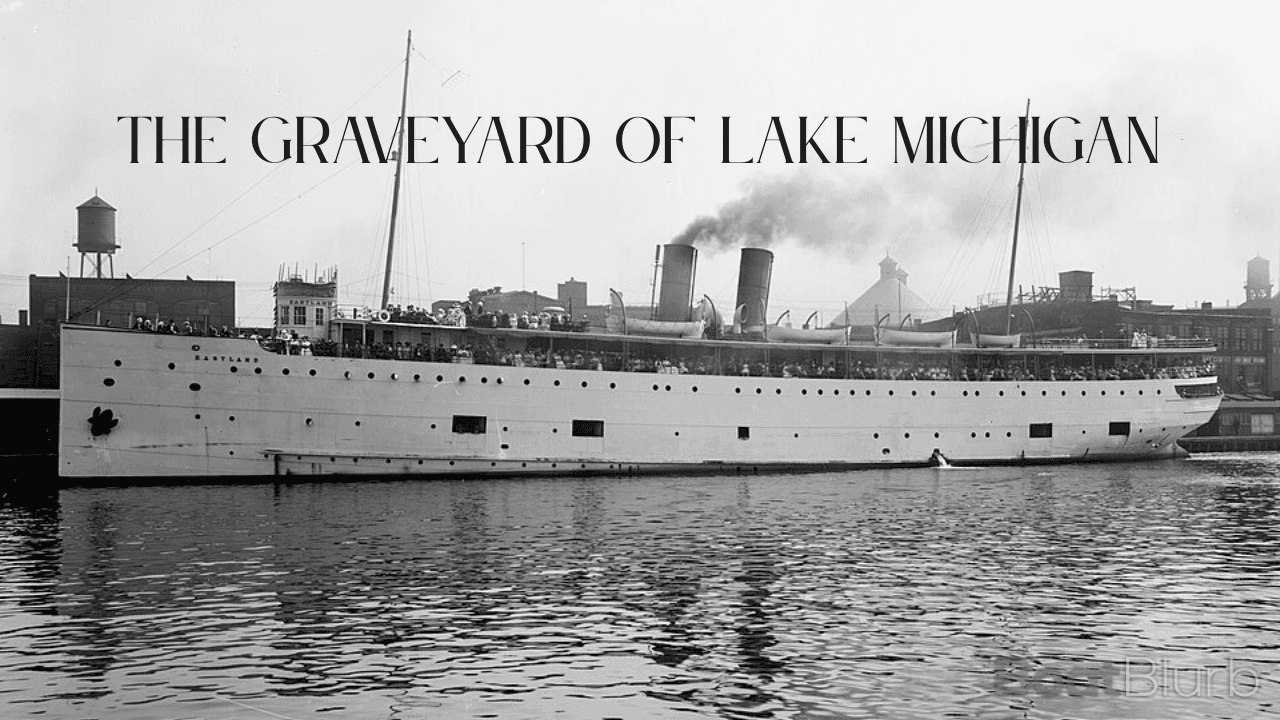
| SS Eastland | Passenger ship | 1915 | 865+ lost while tied to dock in Chicago after stability alterations |
| Lady Elgin | Sidewheel steamship | 1860 | ~300–400 lost after collision in gale; wreck found 1989 |
| Rouse Simmons | Lumber schooner | 1912 | Known as "The Christmas Tree Ship"; found 1971 with trees preserved in hold |
Common causal factors
- Stability compromises: modifications and added topside weight reduced margin on ships like SS Eastland.
- Severe weather: November gales produced catastrophic losses in 1913 and 1940.
- Traffic concentration: heavy commercial corridors increase collision probability near ports.
- Human and procedural failures: inadequate lighting or signaling and navigational mistakes have been decisive.
Divers, preservation, and marine sanctuary logistics
Cold, fresh water and considerable depth preserve wrecks far longer than in saltwater. That preservation, combined with cultural value, led to the creation of the Wisconsin Shipwreck Coast National Marine Sanctuary, which now protects dozens of sites and requires coordinated logistics for research, diving, and access management. Michigan’s network of Underwater Preserves performs a similar role in conservation and controlled visitation.
Implications for charter operators and rental skippers
Operators planning charters or daily boat rentals must build storm contingency plans, chart routes that avoid wreck concentrations in poor visibility, and ensure client briefings emphasize proper lifejacket use and local weather briefing procedures. Marinas serving recreational traffic should coordinate emergency towing, sheltering procedures, and real-time weather updates for transient renters.
Shipwrecks that shaped maritime policy
Several wrecks produced direct changes in regulation or everyday practice: after the Lady Elgin collision, lights for sailing vessels were mandated at night; the Eastland tragedy highlighted the dangers of unassessed modifications to vessel stability. These historical cases remain relevant to modern charter safety management and port authorities who oversee mixed commercial and recreational use.
Notable artifacts and archaeology
Recovered elements range from restored aircraft used in wartime training to holiday trees preserved in the Rouse Simmons. The presence of WWII-era plane wrecks — Avengers, Thunderbolts, Wildcats among them — in central lake basins speaks to Lake Michigan’s wartime role as a secure training environment and creates a unique archaeological landscape for researchers and recreational divers alike.
Practical advice for renters and sailors
- Check operational limits of the rented vessel; inquire about stability and passenger capacity.
- Always consult up-to-date marine weather and wind forecasts before departure.
- Pick a boat with appropriate safety gear and a capable captain if unfamiliar with local currents and traffic lanes.
- For diving or wreck viewing, coordinate with authorities to ensure legal access and conservation compliance.
How history informs modern leisure boating
Understanding the lake’s transport patterns, meteorology and wreck history helps skippers and renters make safer choices about where and when to cruise. Areas with deep wrecks and strong currents require extra caution; conversely, preserved wrecks and protected zones create attractive, culturally rich destinations for guided charters and sport diving.
GetBoat always keeps an eye on news related to sailing and seaside vacations, as we truly understand what it means to enjoy great leisure and love the ocean. The service values freedom, energy, and the ability to choose your own course, placing no limits on a good life and helping clients find a vessel to match preference, budget, and taste.
Start planning your next seaside adventure and make sure to book the best boat and yacht rentals with GetBoat before the opportunity sails away!
Highlights: Lake Michigan’s wrecks are a compelling mix of commercial, wartime and local-story losses that teach important lessons about weather, vessel configuration, and traffic management. Experiencing a new location is always multifaceted — one learns about culture, nature, the indescribable palette of local colors, its rhythm of life and also the unique aspects of the service. If you are planning your next trip to the sea, you should definitely consider renting a boat (boat rentals, rent a boat, rent a yacht), as each inlet, bay, and lagoon is unique and tells you about the region just as much as the local cuisine, architecture, and language GetBoat.com
Summary: Lake Michigan’s shipwreck record is shaped by concentrated commercial logistics, deep basins, and powerful weather — factors that changed maritime policy and created a rich underwater heritage. For sailors, charter operators and renters, the lessons are operational: respect stability limits, monitor weather, use capable captains, and plan routes with local currents and traffic in mind. Platforms like GetBoat.com help travelers connect with the right yacht, boat or charter for safe and memorable time on the lake or sea, whether seeking calm bays for sailing, marinas for provisioning, or dive-friendly wreck sites for exploration — from small day charters to superyacht options, marinas to clearwater anchorages, fishing activities to luxury yachting, GetBoat makes booking transparent and convenient. Choose your course.


