Lake Erie’s Shipwrecks: Navigational Lessons and Risks
Alexandra
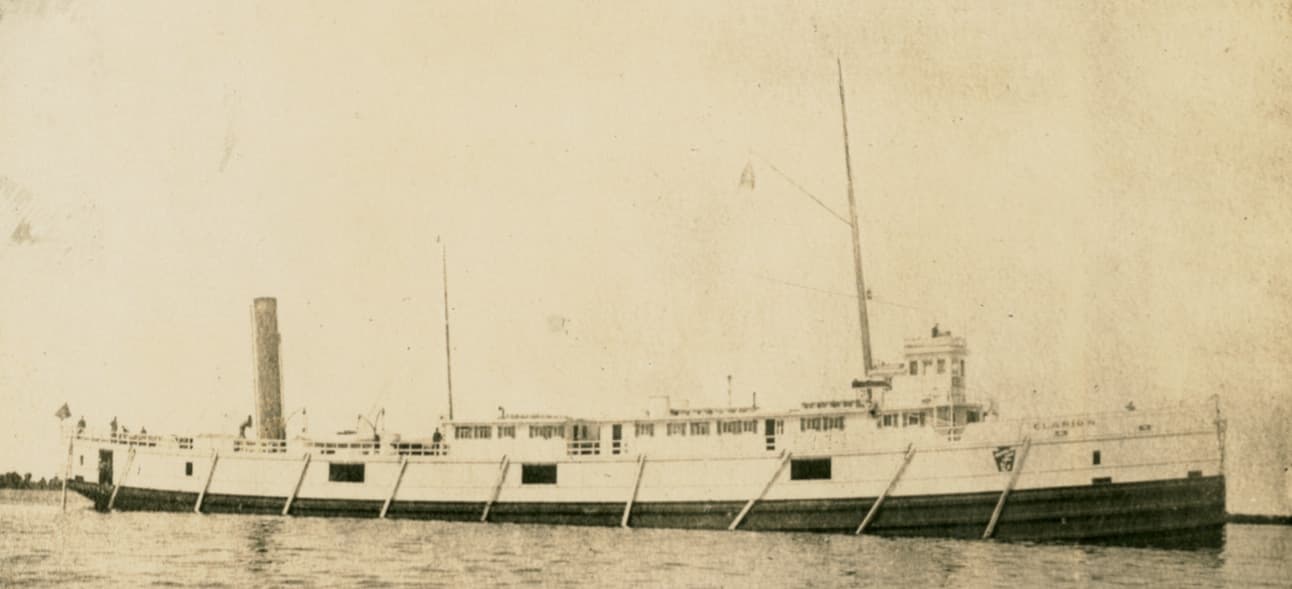
Lake Erie contains an estimated 1,500–2,000 shipwrecks, yet fewer than 300 have been positively identified and documented, concentrating many losses in the lake’s shallow western basins and narrow shipping channels.
Navigational and environmental factors that created a wreck hotspot
Lake Erie’s average depth of roughly 60 feet (18 m) and maximum near 200 feet (61 m) makes it the shallowest Great Lake, a primary driver of extreme, fast-changing surface conditions. The lake’s 240-mile (388 km) southwest-to-northeast fetch, combined with prevailing westerly winds, often produces steep, saw-tooth waves and piling effects at the eastern end near Buffalo. Localized water-level changes of six feet (2 m) over short distances are not uncommon, and wind-driven surges can turn benign conditions into hazardous seas in minutes.
Visibility, shoals, and shifting sandbars
Fog, snow squalls, and heavy storms can reduce visibility to near zero. These conditions intersect with a coastline riddled with shifting sandbars, rocky shoals, and a complex archipelago of islands—particularly in Pelee Passage, the Pelee-Kelleys-Bass Islands corridor, and around Long Point—creating many natural traps for vessels lacking local knowledge or up-to-date charts.
📚 You may also like
Why steam-era practices aggravated risks
Historical operational pressures—over-pressurizing boilers for speed, overloaded passenger manifests, and limited safety regulations—magnified the danger. Several major disasters led to regulatory reforms, but many wrecks occurred before modern inspections, lifeboat rules, and radio/communications became standard.
Notable wrecks and their lessons
| Vessel | Year | Depth | Location | Lesson |
|---|---|---|---|---|
| Lake Serpent (Kelleys Island) | 1829 (identified 2019) | Shallow | Near Kelleys Island | Long-term identification requires museum and archival work |
| Anthony Wayne | 1850 | ~50 ft (15 m) | North of Vermillion, OH | Boiler safety and inspection: avoid catastrophic fires |
| Atlantic | 1852 | ~150 ft (46 m) | Southwest of Long Point | Strict passenger limits and life-saving equipment are critical |
| Clarion | 1909 | Shallow near Southeast Shoal | Pelee Passage | Hazardous cargo ignition; importance of communication and rescue protocols |
| James H. Reed | 1944 | ~76 ft (23 m) | West of Long Point | Wrecks in shipping lanes require post-loss mitigation to protect navigation |
Case studies that shaped maritime rules
- Atlantic (1852): Mass fatalities prompted lifeboat and passenger-counting regulations.
- Clarion (1909): Fires involving combustible cargo and the lack of radioed help highlighted the need for onboard communications and better emergency response coordination.
- Marquette & Bessemer No. 2 (1909): Design vulnerabilities—open stern for rail cars—exposed the importance of watertight integrity and stern gates.
Concentrations and local geography
Major wreck concentrations appear in these micro-regions:
- Pelee Passage: A 9-mile channel with at least 15 known wrecks; shallow water and tricky currents make navigation hazardous.
- Western basin between Pelee and the Detroit River: roughly 20 wrecks in water averaging 30 feet (10 m) deep.
- Long Point and Cleveland corridors: Each hosts dozens of documented losses tied to gale-driven wrecking and narrow passage navigation.
Modern implications for sailing and recreational boating
Today’s sailors and charter operators must treat Lake Erie as a body of water with quick weather shifts, shallow shoals, and busy commercial lanes. Recreational skippers should prioritize:
- Up-to-date navigation charts and local notices to mariners
- Reliable communication gear (VHF, AIS, EPIRB) and a practiced emergency plan
- Understanding of wind fetch and how sudden squalls amplify wave height in shallow basins
- Respect for shipping lanes and scheduled commercial movements
Practical tips for renting and chartering safely
When planning a Lake Erie excursion—whether a day sail, fishing trip, or multi-day charter—consider vessel draft versus expected conditions, and if unfamiliar with local hazards, opt for a captained charter. Confirm that the boat’s safety kit is complete and that the operator monitors weather and navigation warnings.
How rental platforms support safer choices
Online platforms are increasingly transparent about vessel specifications, equipment, and operator reviews. GetBoat always keeps an eye on news related to sailing and seaside vacations, as we truly understand what it means to enjoy great leisure and love the ocean. The GetBoat service values freedom, energy, and the ability to choose your own course; it places no limits on a good life, allowing clients to find a vessel that suits their preferences, budget, and taste. On platforms like GetBoat, users can view make, model, ratings, and detailed listings to pick options that match intended activities and local conditions.
Checklist before you cast off
- Check latest weather and lake advisories.
- Confirm lifejackets for all passengers and presence of an EPIRB or PLB.
- Verify the vessel’s draft relative to local shoal maps.
- Hire a local captain if unfamiliar with Pelee Passage, Long Point, or the western shoals.
If you are planning your next trip to the sea, you should definitely consider renting a boat (boat rentals, rent a boat, rent a yacht), as each inlet, bay, and lagoon is unique and tells you about the region just as much as the local cuisine, architecture, and language GetBoat.com
Forecast: regionally, Lake Erie shipwreck history remains a powerful reminder to respect local marine conditions; it is unlikely to shift the global tourism map but will influence how charter operators, marinas, and local authorities emphasize safety, route planning, and visitor education. Start planning your next seaside adventure and make sure to book the best boat and yacht rentals with GetBoat before the opportunity sails away!
In summary, Lake Erie’s shallow profile, long wind fetch, shifting shoals, and historical operational pressures created one of the densest concentrations of shipwrecks in the world. Modern boating around this lake demands respect for weather, reliable communications, and informed vessel selection. Whether you’re after a quiet sail, a fishing charter, or a family beach-and-boat day, choosing the right yacht, charter, or boat—and, when necessary, a qualified captain—makes all the difference. Platforms that offer clear listings, transparent ratings, and detailed specifications help travelers find suitable options for the sea, lake, and coastal destinations they want to explore, from marinas and clearwater bays to gulf inlets and open ocean passages. Considerations such as vessel draft, safety equipment, and local navigation knowledge keep boating activities—sailing, fishing, yachting, or simple beach-to-boat excursions—safe and memorable.


