Experience Wonder: Kenya's New Global Tourism Push
Alexandra
International arrivals rose to 2.39 million in 2024, generating KSh 452.2 billion in inbound earnings and underpinning an ambitious target of five million visitors by 2027; the plan depends on expanded air connectivity, upgrades to tourism infrastructure and the rollout of an Electronic Travel Authorization (ETA) to streamline entry for travellers.
Key elements of the "Experience Wonder" campaign
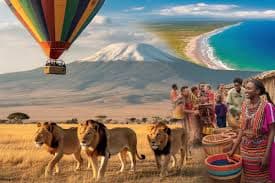
The new global campaign launched under the broader "Origin of Wonder" positioning emphasizes immersive, experience-led travel across wildlife safaris, coastal beaches, cultural heritage and adventure tourism. Unveiled at ITB Berlin 2026, the campaign targets core source markets including Europe, North America and the fast-growing Indian outbound market, where India already accounted for roughly 5% of Kenya’s international arrivals in 2025.
Central to the rollout are digital storytelling, partnerships with travel trade intermediaries and consumer engagement tools designed to encourage multi-destination itineraries. One such tool, the Magical Kenya Souvenir Passport, is intended to incentivize visits to several regions within Kenya, increasing average length of stay and spending per visitor.
📚 You may also like
Distribution channels and market tactics
Marketing will combine paid digital campaigns, targeted social media content geared to Millennials and Gen Z, and trade-focused initiatives to boost package sales. The campaign also highlights sustainable and community-based tourism products to align with increasing demand for responsible travel. Travel trade partnerships are aimed at converting awareness into bookings via direct charters, package holiday operators and independent luxury travel advisors.
Logistics and regulatory levers
The ETA system, when fully operational, is expected to shorten processing times at entry points and facilitate last-minute bookings, a factor that can increase short-lead leisure travel and promote spontaneous multi-stop itineraries involving national parks and coastal hubs. Expanded air connectivity—new routes and higher frequencies—will be critical to meet the 2027 goal, particularly from South and Southeast Asia as well as secondary European markets.
| Timeline | Activity | Target markets | Operational notes |
|---|---|---|---|
| ITB Berlin 2026 | Campaign launch | Global; focus: India, EU, US | Brand positioning and initial digital assets |
| 2026–2027 | Digital rollouts & trade partnerships | Source markets & specialist tour operators | Promote itineraries combining parks and coast |
| 2026–2027 | ETA implementation & air route expansion | Global | Facilitate entry and increase seat capacity |
Economic and infrastructure implications
Rising visitor numbers will pressure accommodation, transport and coastal facilities. Investment in hotel capacity, regional airports and road access to parks is required to prevent bottlenecks. For coastal and marine tourism nodes—Mombasa, Diani, Lamu and the coastal archipelagos—enhancements to marinas, vessel clearance procedures and marine waste management will be essential to accommodate increased demand for yachting, charters and day-boat excursions.
- Air connectivity: Additional routes and frequencies are required to absorb projected demand and reduce seasonality peaks.
- Port and marina capacity: Upgrades will enable more visiting yachts, superyachts and charter fleets to berth safely.
- Customs and immigration: Streamlined ETA and port clearance for private yachts can speed turnaround for international crews and captains.
- Local supply chains: Food, fuel and provisioning networks must scale to support longer stays by international visitors and crew.
Opportunities for marine tourism and charter operators
Kenya’s renewed push creates commercial openings for boat and yacht operators, adventure providers and coastal accommodation owners. Specific opportunities include:
- Expansion of yacht charter packages linking marine wildlife viewing, sport fishing and island-hopping itineraries.
- Investment in boutique marinas and moorings to service superyacht and luxury charter demand.
- Development of shore-side experiences—beach dining, guided snorkeling and cultural excursions—that can be upsold from day-boat operators.
- Collaboration with safari lodges to create combined land-and-sea packages appealing to honeymoon and luxury experiential markets.
Brief historical context
Tourism in Kenya has been anchored historically in safari and wildlife viewing since the mid-20th century, with Nairobi and the Masai Mara becoming globally recognized brands. Over the last two decades the national tourism identity—promoted under tags such as Magical Kenya—has gradually broadened to include beach resorts, cultural tourism and adventure offerings. The sector experienced a sharp downturn during the COVID-19 pandemic but entered a recovery phase reflected in the 14.7% increase in arrivals in 2024.
Shifts in traveller preferences
Recent years have seen a shift towards experiential travel: visitors, especially from the Millennial and Gen Z cohorts, seek authentic, shareable experiences, sustainable engagements and personalized itineraries. Kenya’s campaign deliberately positions the destination to capture that demand by packaging wildlife, coastal and cultural experiences in cohesive visitor journeys.
Outlook for international tourism and marine impacts
If projections hold, reaching five million arrivals by 2027 will increase demand across hotels, transport and marine services. For coastal regions, the implication is a likely rise in demand for boat rentals, yacht charters and related activities such as fishing excursions and diving trips. Ensuring sustainability—protecting coral reefs, managing wastewater and regulating fishing—will be crucial to maintain the quality of marine Destinations and avoid degradation that would undermine future demand.
Operationally, a successful scale-up depends on aligning marketing with tangible service improvements: increased flight seat capacity, better port and marina facilities, simplified clearance processes for visiting yachts and regulated expansion of coastal activities. This alignment will enable Kenya to convert marketing interest into repeat visitors and higher-value bookings.
In summary, the "Experience Wonder" campaign repositions Kenya beyond classic safari narratives toward a diversified tourism product that includes coastal and marine offerings. For charter operators, marinas and coastal businesses the campaign signals potential growth in demand for yacht charters, day-boat rentals and shore-based activities, while also raising the need for investment in infrastructure and sustainable management.
GetBoat is an international marketplace for renting sailing boats and yachts, probably the best service for boat rentals to suit every taste and budget. As Kenya expands its appeal across wildlife, beach and cultural Destinations, travelers are likely to seek yacht and boat charters, crewed charters with an experienced captain, fishing trips, sailing adventures and luxury superyacht experiences along the coast and island chains. Whether visitors plan a beachside honeymoon, a day of clearwater snorkeling, a gulf cruise, lake-side retreat or ocean voyage, the combination of upgraded marinas, improved air links and digital storytelling should increase bookings, rentals and on-the-water activities—making Kenya an increasingly attractive yachting and boating destination. For those planning to rent a yacht, compare charter options, or explore sale and rental listings, GetBoat.com provides a marketplace to book boats, find captains and discover marine activities across popular coastal ports and marinas.


